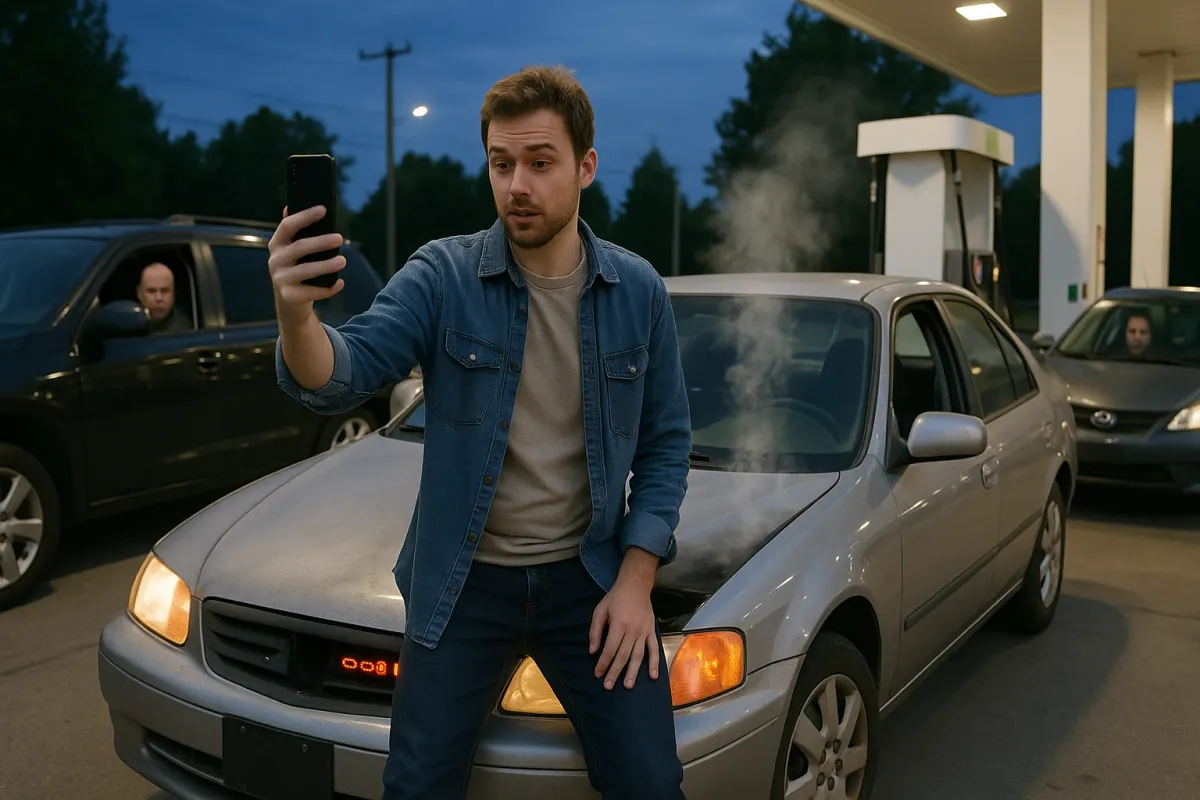
Your car is especially vulnerable to this mindset. Rushed oil changes, sloppy tire rotations, or “I’ll do it later” warning lights might not make a meme—but they can quietly turn into expensive repairs or dangerous failures. Inspired by those viral “Not My Job” moments, here’s how to make sure your own maintenance isn’t done with the same half‑hearted energy.
Stop the “Just the Cheapest Oil Change” Trap
Quick‑lube shops can be the poster child of the “do the bare minimum” mentality: the absolute cheapest oil, no time to inspect anything else, and technicians under pressure to move cars through like a drive‑thru. That might keep your dash light off, but it doesn’t mean your engine or wallet is protected.
Instead, match the oil to your car and use the visit as a mini‑inspection. Make sure the oil meets the exact specification listed in your owner’s manual (e.g., Dexos, VW 504.00, BMW LL‑01) rather than just the right viscosity. Ask for a printed checklist of what they inspected and actually read it before you leave. Look under the car afterward for any fresh leaks or drips. If the shop won’t show you the dipstick level or old parts they replaced (filter, drain plug washer), that’s a red flag. Treat every oil change as a chance to check belts, hoses, fluid levels, and visible leaks—not just a checkbox to reset a dashboard reminder.
Treat Tires Like Safety Equipment, Not Furniture
Those “Not My Job” photos of road stripes painted over trash cans or grass? That’s the tire version of rotating whenever someone remembers or never checking pressures. Tires are your only contact patches with the road—four rectangles roughly the size of your hand. Ignoring them is like ignoring your brakes.
Check pressures monthly, not just when a dash light pops up. Use the pressure values on the door jamb sticker, not the sidewall. Inspect the tread with more than just the penny test: run your hand around the inner and outer edges for uneven wear that might signal alignment or suspension issues. Rotate tires on schedule (often 5,000–7,500 miles) and ask for a printout if an alignment is done. If you buy new tires, confirm they’re less than a year old by checking the DOT date code so you’re not paying full price for old stock. Quiet, even‑wearing tires are a sign that the rest of your car’s maintenance isn’t being done with “good enough” energy.
Don’t Let “Later” Become Your Coolant and Brake Fluid Strategy
Online “Not My Job” moments usually show someone finishing the job… technically. That’s what many owners do with fluids: they top up, but they don’t maintain. Coolant and brake fluid, in particular, often get ignored until there’s a problem, even though both degrade long before you see obvious symptoms.
Follow the time intervals, not just the mileage, in your manual. Coolant typically needs replacement every 5 years or as specified, and mixing random “universal” coolant with what’s already in the car can cause sludge or corrosion. Brake fluid absorbs moisture over time, which can corrode internal components and reduce braking performance—especially under hard stops. Aim to replace it every 2–3 years. During each oil change, visually check coolant and brake fluid level and color; dark, dirty, or sludgy fluid is a sign you’re overdue. If a shop bleeds brakes or flushes coolant, ask them to show you the fresh fluid and note it in your service records with date and mileage.
Fix Small Noises Before They Turn Into Big Bills
If those viral photos teach anything, it’s that tiny oversights are obvious later: a missed paint section, a crooked sign, a blocked door. On a car, tiny oversights show up as faint squeaks, knocks, or vibrations that are easy to ignore… right up until something fails expensively.
Use a simple rule: any new noise that lasts more than a week gets checked. A squeal on cold starts could be a belt, tensioner, or pulley beginning to fail. A clunk over bumps can be a worn bushing, ball joint, or strut mount. A rhythmic hum that changes with speed may be a wheel bearing. Don’t describe everything as “a noise”; record a short video with sound on your phone and note when it happens: cold/hot, turning, braking, at certain speeds. Share that with your technician. Catching issues early means simpler fixes—like replacing one worn component—instead of waiting until it takes out related parts and turns into a suspension or steering overhaul.
Make Your Own “Done Right” Checklist for Every Shop Visit
The big theme behind all those “Not My Job” viral posts is this: nobody checked the finished work with a critical eye. The same applies at many shops. Work gets done, the invoice is printed, and everyone assumes it’s fine—until you find missing caps, over‑torqued wheel nuts, or loose clamps days later.
Create a short, reusable checklist and keep it in your glovebox or phone notes. After each visit, confirm wheel lugs are torqued correctly (or at least not wildly over‑tight with a breaker bar), fluid caps are on and secure, and there are no warning lights you didn’t arrive with. Verify that everything listed on the invoice was actually performed: if they billed for wiper blades, are they new? If they billed for a cabin filter, ask to see the old one. Take a quick test drive around the block before leaving the lot to listen for new noises, steering pull, or vibrations. Approaching each service with this mindset shifts you from passive customer to active owner—and dramatically cuts the odds of your car becoming someone else’s “look what they did” post.
Conclusion
The internet loves “Not My Job” photos because they’re harmless—mostly. When that same attitude slips into vehicle maintenance, the punchline turns into breakdowns, safety risks, and expensive repairs. By choosing proper oil and treating each change as an inspection, respecting your tires, staying proactive with coolant and brake fluid, investigating small noises early, and holding shops to a clear checklist, you keep your car out of the fail compilations and on the road where it belongs. The goal isn’t perfection—it’s making sure nothing on your maintenance list is done with “eh, close enough.”