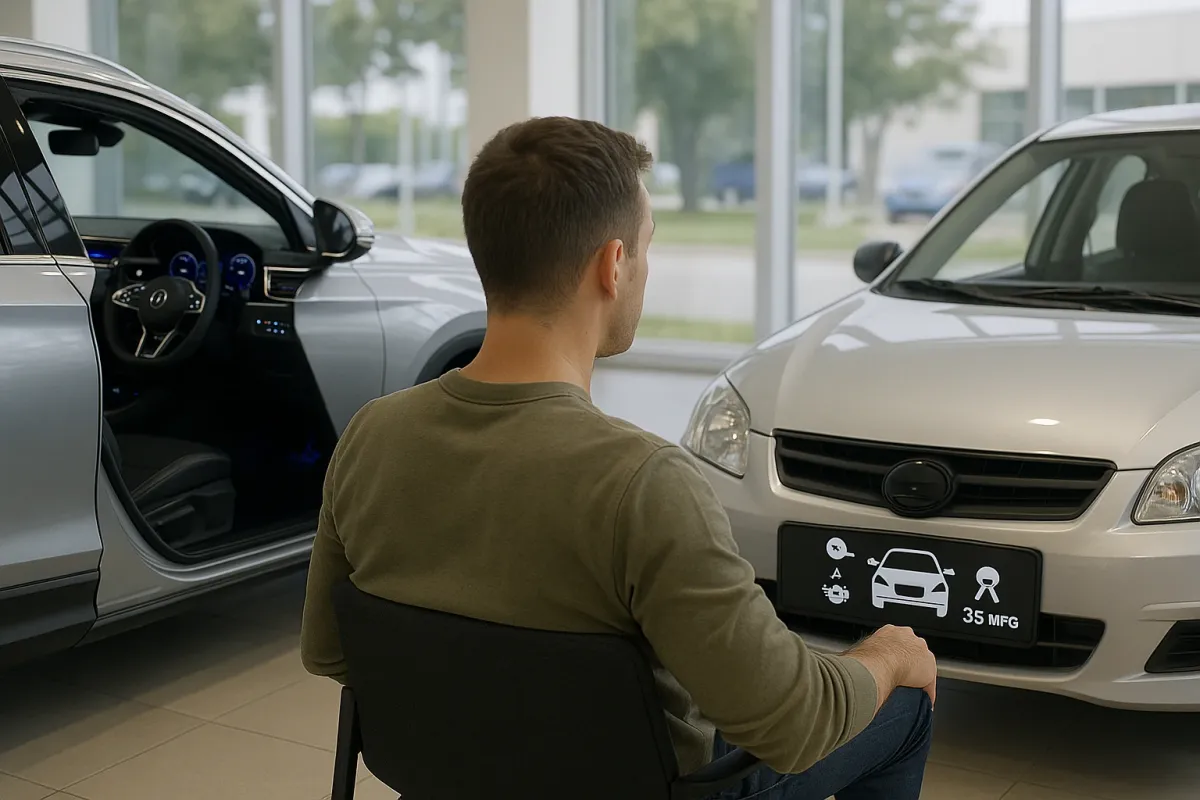
For many buyers, the temptation is real: if you finally feel you can “afford nice things,” it’s easy to load up a car with options that feel luxurious in the moment but crush your budget later. Instead of treating every upgrade as a reward, it helps to separate emotional “luxuries” from practical ones that genuinely save money, hassle, or both over the life of the vehicle.
Here’s how to choose car features the way financially savvy buyers do—so your next “splurge” actually makes long-term sense.
Prioritize Features That Reduce Ongoing Costs, Not Just Purchase Price
A common theme in that Reddit thread is people realizing later in life that some “luxuries” (like a dishwasher or central heating) actually save money and time. The same is true with cars: some options that cost more up front can slash your ongoing bills.
Instead of only fixating on monthly payment, look at 5–7 years of ownership. Fuel-efficient engines, hybrid powertrains, and even all-wheel drive (if you genuinely need it for climate/terrain) can reduce stress and cost over time. For example, a hybrid version of a compact SUV might cost a few thousand more than the base engine, but at current fuel prices it can pay for itself in 3–5 years if you drive a typical commute. Similarly, LED headlights cost more initially but last significantly longer and improve night visibility, which has a measurable safety benefit and can prevent pricey accidents. Run the numbers using an online total-cost-of-ownership calculator: include fuel, insurance, maintenance, and likely resale. If a “luxury” feature reliably reduces one of those line items, it’s a smart upgrade—not a splurge.
Treat Safety Tech as a Non‑Negotiable, Not an Extra
In that viral thread, many people mentioned basic security—locks on doors, a safe neighborhood—as things they once saw as luxuries. With cars, many shoppers still think of advanced safety tech as an optional bonus, but the data says otherwise. Systems like automatic emergency braking (AEB), lane-keeping assist, blind-spot monitoring, and rear cross-traffic alert are now recommended—or even expected—by safety organizations and insurers.
When cross-shopping trims, start by building your “must-have” list around safety, not leather seats. Some automakers bundle critical features only on higher trims, but others (especially brands like Toyota, Honda, and Hyundai/Kia in recent model years) include robust safety suites as standard. That can let you skip vanity upgrades while still getting top-tier crash avoidance tech. Before visiting a dealer, check IIHS and NHTSA ratings for the exact model and trim you’re considering. If the model only gets top ratings when certain options are added (like specific headlights or a safety package), factor that into your decision. Over time, a vehicle with better safety features can mean fewer accidents, lower repair costs, and potentially better insurance rates.
Choose “Invisible” Comfort Features That You’ll Use Daily
The Reddit discussion about childhood scarcity also highlighted how basic comfort items—like having a second set of bedsheets or reliable hot water—felt extravagant until people experienced them daily. Translate that mindset to car shopping: some of the most valuable upgrades are the ones you won’t brag about on social media, but you’ll be grateful for every single day.
Focus on features that directly reduce stress and fatigue: a height‑adjustable driver’s seat with lumbar support, a tilt-and-telescoping steering wheel, dual-zone climate control, or remote start in extreme climates. These don’t photograph as well as a panoramic sunroof, but they transform your daily driver from “tolerable” to “effortless,” especially if you commute or have back issues. Spend at least 15–20 minutes on a test drive, including highway and rougher pavement, to really feel the difference in seating and ergonomics between trims. If you’re deciding between nicer wheels or a better seat, pick the seat—your spine will thank you, and resale value often favors functional comfort over cosmetic flair.
Be Skeptical of “Status” Tech and Trim Packages
Just like people in that trending thread recalled associating certain brand names or restaurant chains with “making it,” car shoppers often overpay for badges, appearance packages, or tech that quickly dates itself. Automakers know this and design trims that push you toward eye-catching upgrades: giant wheels, gloss-black exterior packs, ambient lighting, or oversized touchscreens loaded with subscription-based services.
Before you check the box on a fancy tech or appearance package, ask three questions:
Will I still care about this feature in five years?
Can this be added later (often cheaper) in the aftermarket?
Does it introduce more complexity or potential repair costs?
Common examples: oversized 20"+ wheels look great on launch photos but usually mean more expensive tires, more road noise, and a harsher ride. Built-in rear entertainment systems tend to age poorly now that tablets are cheap and flexible. Brand‑specific navigation can be redundant when Apple CarPlay and Android Auto give you constantly updated maps from your phone. In many cases, choosing a lower trim with solid fundamentals and then adding quality aftermarket upgrades (like a better dashcam, wireless charger, or all-weather mats) lets you control costs and avoid being locked into the manufacturer’s ecosystem.
Align “Upgrades” With Your Real Lifestyle, Not Your Aspirational One
One of the most revealing parts of the “luxuries” Reddit thread is how people admitted buying things to prove—often to themselves—that they were no longer poor, even if those purchases didn’t fit their real life. The same emotional trap drives a lot of regretful car buys: three-row SUVs for “future road trips,” heavy-duty pickups for hypothetical towing, or off-road packages for people who never leave pavement.
Start with an honest audit:
- How many people ride in your car 90% of the time?
- How many miles do you actually drive each week?
- How often do you tow, haul, or drive in snow/mud?
If you rarely carry more than two passengers, a compact SUV or hatchback can be a better buy than a full-size SUV, freeing budget for meaningful upgrades like better safety or a more efficient powertrain. If you lease or trade in vehicles every 3–4 years, prioritize options that boost resale—like safety tech and popular colors—over niche features. And if your “dream” spec doesn’t align with your day‑to‑day needs, consider renting that dream configuration (via a rental service or car-sharing app) a few times a year instead of paying for it 365 days a year in car payments, insurance, and fuel.
Conclusion
The viral conversation about “little luxuries” is a reminder that our money choices are deeply emotional—and car buying is no exception. When you finally feel ready to treat yourself, it’s easy to chase visible status upgrades that feel validating in the short term but quietly drain your budget over the long haul.
Flip that script by treating practical, safety-focused, and comfort-oriented features as your real luxuries. Run the long-term numbers, prioritize what you’ll use every day, and ignore the hype around status trims and trendy tech. The best “upgrade” isn’t the one that impresses people in the parking lot—it’s the one that makes every drive safer, cheaper, and less stressful for years to come.