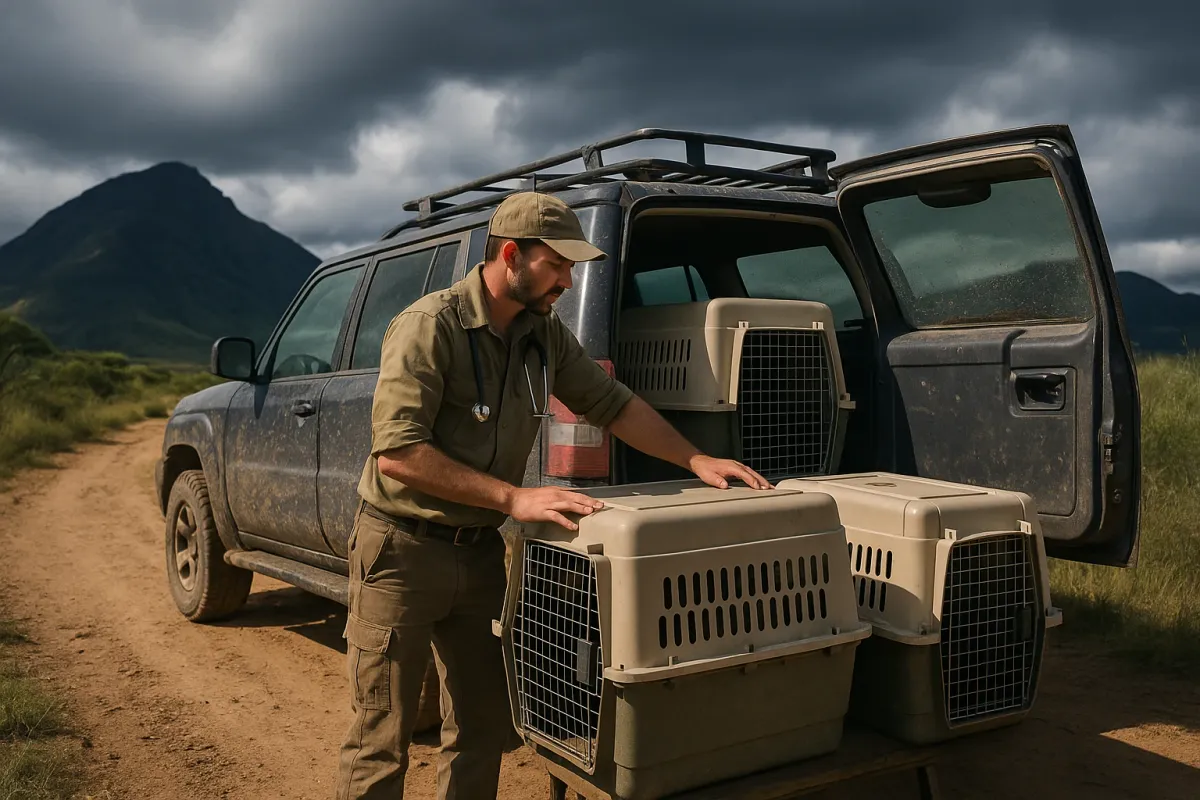
For Auto Ready readers who love the idea of adventure—even if your “wild” is more trailhead parking lot than rhino helicopter ops—there’s a lot to learn from how field vets and rangers choose and use their vehicles. Here’s how to apply those same real‑world priorities to your next SUV or truck purchase, and how to separate true capability from clever branding.
Start With Mission, Not Marketing
Wildlife vets don’t start by asking, “What looks tough?” They start with, “What exactly do I need this vehicle to do, every single day?” That mindset is the first thing most car shoppers skip, especially when every brand is selling a rugged image. In the field, that mission might be carrying tranquilizer gear, a generator, and three extra fuel cans over rutted tracks for 10 hours at a time. For you, it might be towing a camper on weekends, safely commuting in snow, or hauling mountain bikes to a muddy trail.
Before you even start browsing reviews, write down your specific “mission profile” in plain language: how many people you need to seat, what you need to tow, how far you actually go off pavement, and how rough your weather really is. Once you’re clear on this, many “off‑road styled” crossovers fall away, and your shortlist sharpens quickly. A unibody AWD crossover might be perfect if your “off‑road” is gravel roads and ski trips; but if you plan to drag a trailer into remote areas, a ladder‑frame SUV or pickup with low‑range gearing becomes more than a luxury—it’s a safety feature.
Judge Hardware, Not Just Badges
In wildlife work, a “4x4” sticker on the tailgate means nothing without the right hardware underneath. That’s why you still see fleets of Toyota Land Cruisers and Hiluxes across Africa instead of fashion‑focused SUVs: they’re engineered from the frame up for punishment. When you evaluate a vehicle, ignore the “Adventure”, “Trail”, or “Off‑Road” trim names and look at the mechanical basics that matter for real traction and durability.
Key checks: Does it have a real two‑speed transfer case with low range, or just a simple AWD system? Is it body‑on‑frame (like a Ford Bronco, 4Runner, Wrangler, or Ranger) or a car‑based unibody (like most crossovers)? What’s the ground clearance, and are there proper skid plates protecting the oil pan, fuel tank, and transfer case? Are there mechanical or electronically locking differentials, or at least advanced torque‑vectoring? Vets and rangers know exactly what will high‑center or snap when loaded; you should adopt the same skepticism. When you test‑drive, find a dealer who will let you put the vehicle on a small mound, rutted lot, or test course, and actually feel how the traction system behaves off perfect asphalt.
Prioritize Reliability and Field Serviceability
A wildlife vet sedating a rhino from a helicopter can’t afford a dashboard full of warning lights once they land. That’s why certain models with proven reliability records dominate conservation fleets, even when they’re old‑school and lack the latest tech. For regular buyers in 2025, the lesson is simple: don’t let cutting‑edge features beat out basic dependability, especially if you travel far from dealerships or plan to keep the vehicle a long time.
Research long‑term reliability data from sources like owner forums, high‑mileage reports, and fleet usage—not just first‑year press reviews. Pay special attention to transmission and 4WD system issues, as these are expensive and mission‑critical. Also consider how easy it is to service the vehicle: Are common parts widely available? Is there a strong independent mechanic network, or are you locked into a single dealer 90 miles away? Professionals in the field prefer vehicles that can be patched up roadside with simple tools; for you, that translates into designs with accessible under‑hood components, straightforward maintenance intervals, and a track record for surviving abuse rather than just passing initial quality surveys.
Test Cargo and Interior Layout Like You Actually Work There
In the wildlife vet’s story, the vehicle is essentially a rolling clinic: refrigeration units, tranquilizer darts, ropes, recovery gear, and personal kit all have to fit, stay secure, and remain accessible at a moment’s notice. Most of us won’t be hauling dart guns, but the same logic applies if you’re loading camping gear, pets, strollers, camera equipment, or tools. Don’t just glance at “cargo volume” numbers—physically test the layout the way a field professional would.
Bring your actual gear to the test drive: coolers, dog crates, bike wheels, or storage boxes. Check how flat the rear seats fold, whether there’s a lip at the tailgate that makes sliding heavy items harder, and if there are strong tie‑down points to keep things from becoming projectiles in a sudden stop. Look for durable materials: rubberized cargo floors, easily cleaned seat fabrics, and hard plastics in high‑wear areas. In wildlife work, blood, mud, and dust are daily realities; for you it might be spilled coffee, sand, or wet ski boots, but the same rugged finishes that help a vet are what will keep your SUV from looking worn out in three years.
Think Recovery, Not Just Capability
A professional in the bush doesn’t just ask, “Can this truck get there?” They ask, “What happens if it gets stuck, breaks, or the weather turns?” That mindset is missing from most car ads but crucial if you’re shopping in today’s boom of “overland” and off‑road‑branded vehicles. True off‑road‑ready rigs aren’t just capable; they’re designed to be recoverable and survivable when something goes wrong.
When reviewing an SUV or truck, check for solid recovery points rated for towing, not just thin decorative hooks. See whether there’s room for a full‑size spare tire and whether it’s easy to access if your vehicle is loaded and muddy. Consider where you’d store basic recovery gear—tow straps, traction boards, a compact air compressor—and whether the vehicle’s electrical system can support accessories like a winch or extra lighting without drama. Professionals assume they’ll self‑rescue long before help arrives; even if your “wilderness” is a snowy back road, thinking like a wildlife vet will push you toward vehicles and setups that keep you safer when conditions don’t go as planned.
Conclusion
The daily life of a wildlife vet—airlifting rhinos, tracking leopards, living out of a 4x4 in brutal conditions—might seem far removed from your commute. But their approach to vehicles is brutally logical: define the mission, choose proven hardware, demand reliability, optimize the workspace, and always plan for recovery. In a car market flooded with “outdoor” aesthetics and soft‑road crossovers, borrowing that mindset is one of the smartest things you can do.
If you apply these five principles when you shop—mission first, hardware over hype, reliability, real‑world cargo use, and recovery readiness—you’ll end up with an SUV or truck that’s not just Instagram‑ready, but genuinely Auto Ready for whatever your version of the wild looks like.