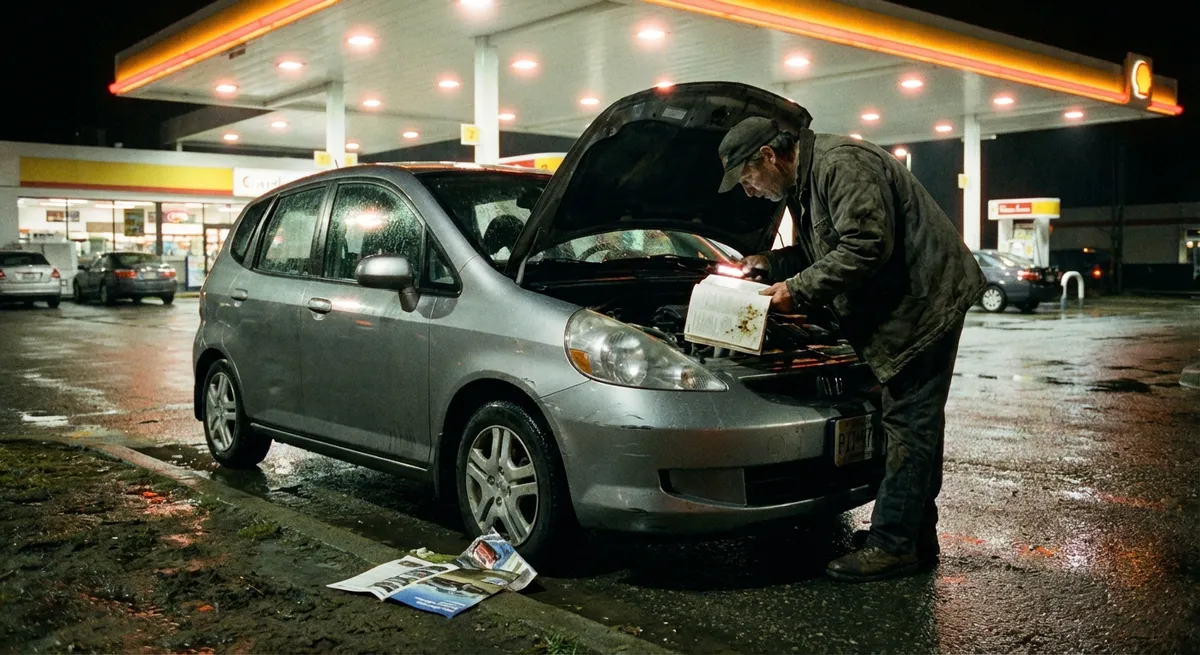
This guide breaks down how to pull practical, owner-level value from car reviews—and turns that insight into five clear, actionable moves you can use on your own car starting today.
How to Read Driving Impressions Like a Long-Term Owner
Performance sections of reviews aren’t just for enthusiasts; they’re a window into how your car will feel years down the road. When a reviewer talks about “body roll,” “brake feel,” or “transmission hunting for gears,” they’re describing traits that can affect fatigue, confidence, and long-term satisfaction.
Pay close attention to how reviewers describe:
- Ride quality – Terms like “busy,” “floaty,” or “planted” hint at how your car will handle rough pavement and long trips. If your car is often called “firm” and you drive on broken roads, you may want to plan for slightly softer, higher-profile tires when it’s time to replace them.
- Steering feel – “Numb” or “artificial” steering can mean you’ll rely more on visual cues than feedback through the wheel; that matters in bad weather or at highway speeds.
- Transmission behavior – Reviews that mention “hesitation” or “gear hunting” can prepare you to use different driving modes (Sport vs. Eco) to smooth things out in daily use.
- Noise and vibration – Complaints about road roar or wind noise are your early warning that upgrading to better tires or adding small sound-deadening changes could noticeably improve your drive.
Actionable point 1: Use owner and journalist driving impressions to plan your first two upgrades (usually better tires and a small comfort or noise tweak) instead of guessing. Focus on what reviewers consistently mention as minor annoyances.
Spotting Common Weak Points Before They Become Your Problems
The most valuable part of many reviews isn’t the verdict—it’s the repeated “minor issues” testers and owners keep calling out. When you see the same complaint across multiple outlets and owner forums, that is a weak point you should proactively manage on your own car.
Look for patterns like:
- Premature wear items – If reviewers or long-term tests mention fast-wearing brake pads, noisy suspension components, or fading shocks by 30,000–40,000 miles, you’ll know which parts to have inspected more often.
- Infotainment glitches – Frequent freezes, crashes, or laggy touchscreens mean keeping your software updated and learning any reset procedures is worth your time.
- Interior wear – Reports of peeling trim, worn seat bolsters, or failing buttons point to surfaces you should clean properly and protect (or cover) early in ownership.
- Battery and electrical quirks – If multiple reviews mention weak factory batteries or odd warning lights, you can plan earlier battery testing and keep an eye on charging behavior.
Actionable point 2: Make a “watch list” for your own car based on repeated review complaints (e.g., brakes, infotainment, trim). Ask your service shop to check those items specifically at each visit, and file service records where you can track if these weak points appear.
Turning Long-Term Reviews Into a Practical Maintenance Edge
Most quick first-drive reviews focus on impressions, but long-term tests and owner reports are where the real durability story emerges. These are gold for planning maintenance more intelligently than the basic schedule in your owner’s manual.
In long-term reviews (12 months / 20,000+ miles), focus on:
- Unscheduled repairs – Note what failed and when: sensors, seals, electronics, or mechanical parts. Compare that mileage to your own odometer and use it as an inspection checkpoint.
- Consumable lifespans – Pay attention to how long OEM tires, brakes, and wiper blades lasted in testing. If everyone’s replacing pads at 25,000 miles, you can budget and schedule a preemptive inspection at 20,000–22,000 miles.
- Service costs and frequency – Some engines are harder to service or use special fluids. Reviews that mention expensive routine maintenance help you avoid “surprise” bills by requesting detailed estimates before service.
- Fuel economy realism – Long-term averages often differ from EPA estimates. If most long-term tests land 10–15% below EPA numbers, adjust your fuel budget accordingly.
Actionable point 3: Build a simple, review-informed maintenance timeline: note key mileages where long-term tests saw repairs or wear (e.g., 25k, 40k, 60k miles) and add calendar reminders for “enhanced inspections” around those points.
Using Review Comparisons to Prioritize Smart Upgrades
Comparative reviews—where your car is tested against rivals—are a shortcut to understanding where your vehicle shines and where it falls behind. That gap analysis is exactly where upgrades pay off.
When you see your model compared with newer or higher-trim versions:
- Handling and braking – If reviewers consistently say a competitor “stops shorter” or “corners flatter,” that often ties back to better tires, brake pad compounds, or slightly updated suspension tuning. You can often close part of that gap with aftermarket or OEM-plus parts.
- Lighting and visibility – Reviews that praise other models’ LED headlights, larger mirrors, or better rear visibility highlight safety areas you can improve with upgraded bulbs, auxiliary lighting (where legal), or simple adjustments like better mirror positioning and clean glass.
- Seat comfort and ergonomics – If your car is dinged for “flat seats” compared with rivals, consider lumbar cushions, seat covers with added bolstering, or adjusting seating position based on ergonomic guides rather than habit.
- Tech usability – When your car’s interface is labeled “cluttered” next to more intuitive systems, learn shortcut buttons, configure home screens, and disable distracting or redundant prompts to minimize frustration.
Actionable point 4: Let comparison reviews guide a short list of two performance or comfort upgrades—typically: tire quality, brake pads, lighting, or seating comfort. Aim for upgrades that address repeated comparative criticisms, not just cosmetic changes.
Turning Review Criticisms Into Better Daily Habits
Not every complaint in a review requires a part or software upgrade; many can be addressed with how you drive and use the car. Testers often push vehicles in harsh conditions: aggressive driving, heavy loads, constant stop-and-go. That stress reveals behaviors that, if you avoid, can extend your car’s life.
Use reviewer experiences to shape your habits:
- Transmission and engine complaints – If reviews mention overheating, rough shifts, or abrupt gear changes in heavy traffic or spirited driving, avoid repeated full-throttle launches, long idling in extreme heat, or towing at the upper limit without extra cooling help.
- Brake fade and smell – Testers who do repeated high-speed stops often notice fade; if your car is known for that, leave more following distance on steep descents, downshift proactively, and avoid riding the brakes.
- Fuel sensitivity – If reviewers note knocking or reduced performance on regular gas in cars “recommended” for premium, consider following the higher-octane recommendation, especially in hot weather or under load.
- Interior rattles and squeaks – If reviews mention rattly cabins over rough roads, secure loose cargo, avoid slamming doors, and keep seals conditioned; small habits can delay the onset of those noises.
Actionable point 5: Write down three driving or usage habits to change based on common review complaints for your model (e.g., gentler cold starts, more engine braking, less overloading). These habit changes cost nothing and can extend both refinement and component life.
Conclusion
Car reviews aren’t just for people shopping for a new ride; they’re a toolkit for getting more out of the car already in your garage. By paying attention to what reviewers and long-term testers repeatedly praise, criticize, and break, you gain a realistic picture of your vehicle’s strengths, weaknesses, and limits.
Use that insight to plan targeted upgrades, smarter maintenance, and better daily habits. Instead of treating reviews as entertainment, treat them as a practical, real-world manual for how to live with—and quietly improve—the car you rely on every day.
Sources
- Consumer Reports – How We Test Cars - Explains their methodology for reliability, road tests, and owner satisfaction, useful for interpreting long-term review data
- Edmunds – Long-Term Road Tests - Real-world, multi-month tests that highlight durability, maintenance, and everyday issues owners are likely to experience
- IIHS – Vehicle Ratings - Independent crash-test and safety evaluations that complement review comments about safety and visibility
- U.S. Department of Energy – Fuel Economy - Official EPA fuel economy data and real-world user reports to compare against mileage seen in professional reviews
- NHTSA – Vehicle Complaints and Recalls - Federal database for checking safety complaints and recalls that often echo patterns first noticed in road tests and owner reviews