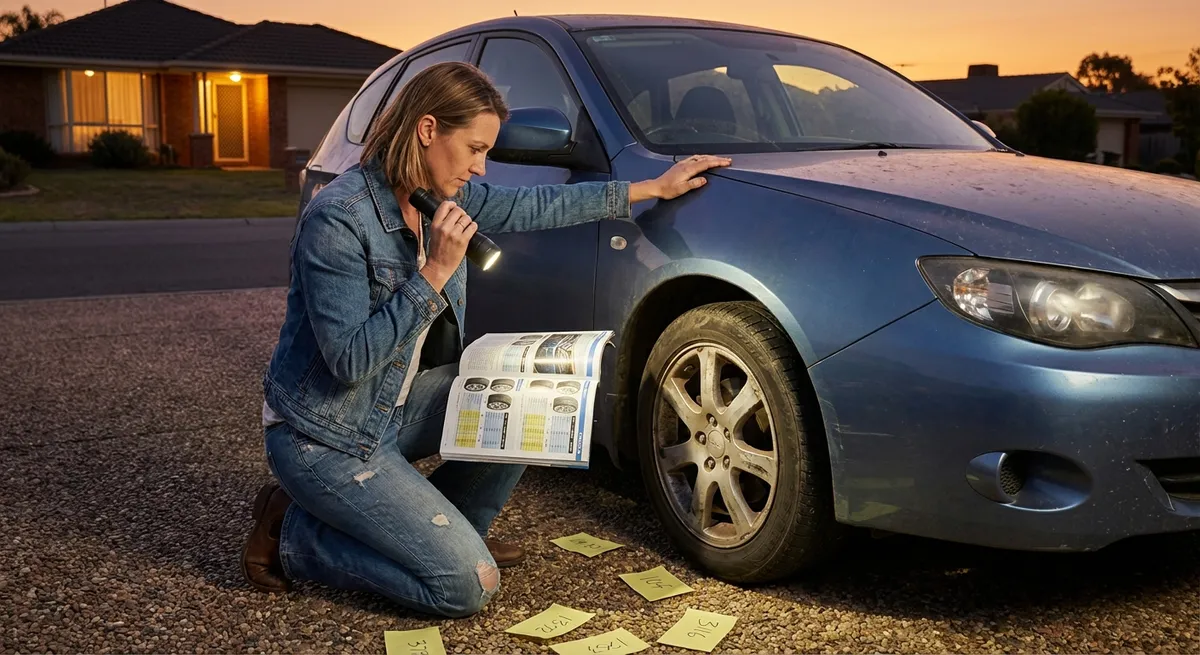
This guide focuses on practical, real-world details that many reviews gloss over—and how you can spot them before you sign anything.
1. Separate “Test Route Impressions” From Daily-Driver Reality
Many professional reviews are based on short, idealized drives: scenic roads, freshly paved surfaces, and hardly any rush-hour traffic. That’s great for highlighting performance, but it can hide how a car behaves when you’re just trying to get to work or pick up groceries.
When you read or watch a review, pay attention to:
- Road conditions mentioned: If the reviewer only talks about mountain roads, twisties, or track time, assume you’re seeing the car at its best, not its most typical.
- Trip length: A 20–30 minute media drive won’t reveal how seats feel after a 3-hour highway run or how fatiguing road noise becomes.
- Traffic comments: Look for any discussion of stop-and-go traffic, parking in tight spaces, or low-speed maneuvering. These are daily pain points that often get skipped.
- Driving modes used: If the reviewer spends most of their time in “Sport” or “Track” mode, they’re emphasizing fun. You’ll likely drive in “Comfort” or “Normal” 90% of the time.
Actionable point #1:
When a review focuses on a scenic or performance route, mentally “discount” some of the praise and ask: How would this feel in traffic, on broken pavement, or during a long commute? If the review doesn’t address it, look for another that does.
2. Look for Long-Term Clues Hidden in Short-Term Reviews
Most glossy reviews don’t have the car long enough to talk about long-term durability. But they still leave clues about how a car might age.
Focus on details that hint at long-term behavior:
- Interior materials: Does the reviewer mention hard plastics, thin seat padding, rattles, or easily scratched surfaces? Those can get worse quickly.
- Weather mentions: Any notes about how the car performs in heavy rain, high heat, or cold starts can hint at future comfort and reliability in your climate.
- Fit and finish: Comments about panel gaps, misaligned trim, or squeaks in brand-new cars may suggest quality control issues that don’t improve over time.
- Infotainment responsiveness: Slow or glitchy screens on a new car are unlikely to magically improve with age, and may get worse as software gets more complex.
Also, cross-check early reviews with:
- Owner forums and subreddits (e.g., for specific models/brands) to see if complaints match what early reviewers noticed.
- Reliability and defect data from organizations like Consumer Reports or J.D. Power once the model has been on sale for a while.
Actionable point #2:
When reading or watching a review, write down any mentions of interior rattles, material quality, or software glitches. Then search:
[car model] rattles, [car model] screen problems, or [car model] reliability to see if those one-off comments became common owner complaints.
3. Decode Comfort and Ergonomics Beyond the Buzzwords
Reviews love words like “supportive seats,” “good visibility,” or “comfortable ride”—but these are highly subjective and often influenced by the reviewer’s personal build and preferences. For a car you’ll sit in for years, you need more detail.
Key comfort and ergonomics areas to watch for:
- Seat adjustability:
- Is there lumbar support?
- Is the passenger seat height-adjustable or only the driver’s?
- Do tall or short reviewers mention legroom or thigh support?
- Steering wheel position:
- Does the wheel telescope far enough toward the driver?
- Reviewers who sit close to the wheel may not notice limited reach.
- Visibility specifics:
- Are the A-pillars (front pillars) described as thick or obstructive?
- Are small windows or a sloping roofline called out as affecting rear visibility?
- Control layout:
- Are climate controls physical knobs or buried in menus?
- Do reviewers mention needing multiple taps to change simple settings?
- Ride description detail:
- “Firm but comfortable” can mean very different things. Look for commentary on potholes, speed bumps, and patched roads, not just smooth highways.
Actionable point #3:
Any time a review uses vague comfort terms (“supportive,” “good visibility,” “refined ride”), pause and look for concrete examples: specific body types, road conditions, or use cases. If they’re missing, open a second review and compare. If three different reviewers say tall drivers struggle, or the ride feels choppy on rough roads, take that seriously.
4. Put Performance Numbers in a Real-World Context
Zero-to-60 times, horsepower figures, and skidpad numbers make for exciting headlines, but once the novelty wears off, what matters more is how predictable and easy the car is to control in normal driving.
In performance sections of reviews, look for answers to questions like:
- Throttle feel: Is power delivery described as smooth and linear, or “jumpy” and hard to modulate at low speeds? Twitchy power can be annoying in parking lots and traffic.
- Transmission behavior:
- For automatics: Does the reviewer mention hunting for gears, slow downshifts, or awkward low-speed behavior?
- For CVTs: Are there complaints about droning noise or unnatural feel?
- For manuals: Is the clutch described as light/heavy, and is the shifter precise or vague?
- Braking consistency: Does the reviewer note a soft or grabby pedal? This affects confidence in emergency stops and wet conditions.
- Noise at highway speeds: Many cars are quiet in town but loud on the highway. Look specifically for comments around 65–75 mph cruising.
Remember that:
- Most drivers rarely use full power. Smoothness, predictability, and low-speed control often matter more than ultimate acceleration.
- Fuel economy in reviews is often best-case. Reviewers may drive lightly on open roads, which can yield better numbers than your urban commute.
Actionable point #4:
When a review fixates on headline performance, scroll or skip ahead to how the car behaves at low speeds, during lane changes, and in highway cruising. If that section is thin, you’re not seeing the full picture. Prioritize reviews that talk about how easy the car is to drive smoothly in traffic and on long trips, not just how fast it is.
5. Check the Tech and Safety Story Like You’ll Actually Use It
Modern cars are as much software products as they are machines. Reviews often treat tech as a side note, but for real-world use, the quality of driver-assistance systems and infotainment can make or break your relationship with a car.
When reviews discuss tech and safety, drill into:
- Driver-assistance systems in real traffic:
- Does adaptive cruise hold a steady gap without surging or braking harshly?
- Does lane-keeping gently assist, or ping-pong between lane lines?
- Are there false alarms from collision warnings or blind-spot monitoring?
- Interface learning curve:
- Does the reviewer need multiple steps to perform common tasks (change temperature, zoom navigation, switch audio sources)?
- Do they complain about small icons or laggy responses?
- Smartphone integration:
- Do Apple CarPlay and Android Auto run wired, wireless, or both?
- Are there complaints about frequent disconnects or audio cutouts?
- Update strategy:
- Does the automaker support over-the-air (OTA) updates, or do you need dealership visits?
- Any mention of previous models getting new features or bug fixes via software updates?
Also notice what’s missing. Some reviews gloss over standard safety features, or don’t clearly explain whether certain aids are optional or locked behind expensive trim packages.
Actionable point #5:
Make a short list of features you expect to use weekly (adaptive cruise, wireless CarPlay, heated seats, parking cameras, etc.). As you read or watch a review, check each one off: Is it tested? Praised? Criticized? Ignored? If a review doesn’t show or describe how those specific features work, find one that does before deciding.
Conclusion
Car reviews can either be noise or a powerful decision-making tool. The difference lies in how you read them. Instead of just absorbing the excitement around performance stats or flashy footage, focus on the pieces that match how you actually drive: your commute, your roads, your weather, your tech expectations.
By separating ideal test routes from daily reality, looking for long-term quality hints, decoding vague comfort claims, putting performance in context, and treating tech like a core feature—not an afterthought—you’ll get a much clearer picture of whether a car fits your life, not just a highlight reel.
Use reviews as one layer in your research, not the whole story. Combine what you learn from them with owner experiences, reliability data, and, when possible, your own test drive. That’s how you turn car reviews from entertainment into a practical tool that keeps you Auto Ready.
Sources
- [Consumer Reports – How to Choose a Car](https://www.consumerreports.org/cars/buying-a-car/how-to-choose-the-best-car-for-you-a8416323987/) – Covers factors to consider when shopping for a vehicle, including comfort, reliability, and safety.
- [U.S. Department of Energy – Fuel Economy Guide](https://www.fueleconomy.gov/feg/findacar.shtml) – Official data on fuel economy to compare with real-world figures mentioned in reviews.
- [IIHS – Vehicle Ratings](https://www.iihs.org/ratings) – Provides crash test and safety ratings that complement safety impressions from car reviews.
- [NHTSA – 5-Star Safety Ratings](https://www.nhtsa.gov/ratings) – Government safety scores to validate or question safety claims in reviews.
- [J.D. Power – Vehicle Dependability Study](https://www.jdpower.com/cars/ratings/vehicle-dependability-study) – Long-term reliability and dependability information to compare with early-review impressions.