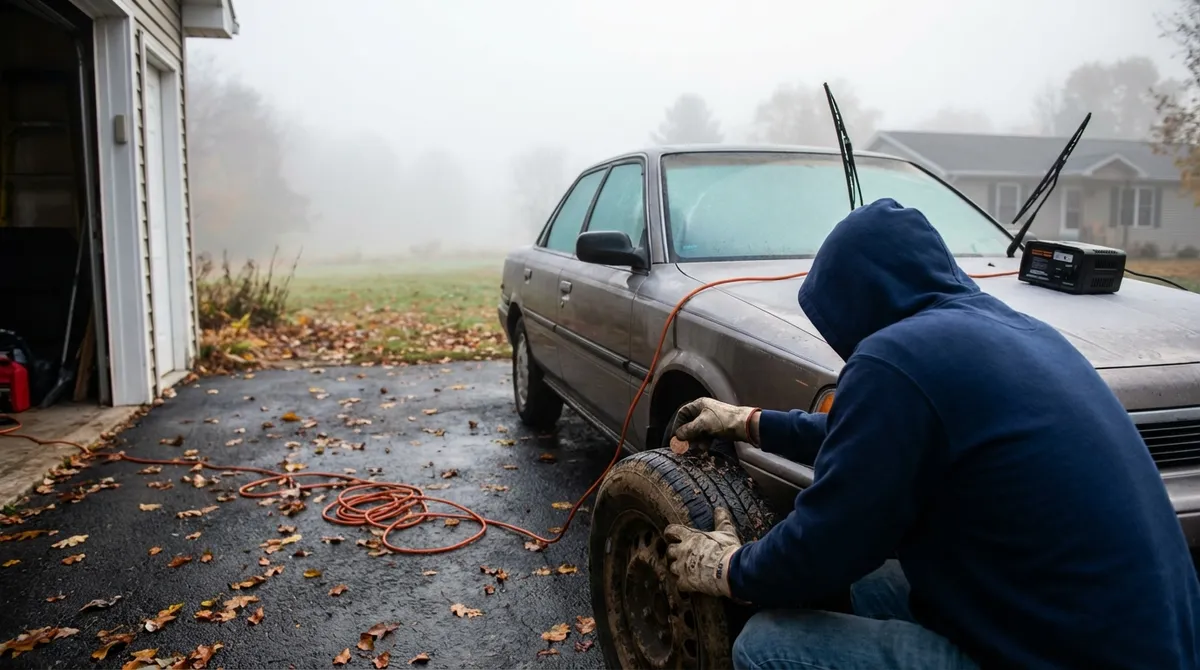
This guide walks through practical, seasonal habits that protect your car from weather‑related wear, with five specific actions you can start using right away.
Why Weather Should Shape Your Maintenance Routine
Your owner’s manual assumes a kind of “average” climate, but few people actually drive in average conditions. Extreme heat, heavy rain, snow, dust, and big temperature swings all speed up wear on fluids, rubber, electronics, and bodywork.
High heat thins engine oil faster, dries out rubber seals, and stresses cooling systems. Cold weather thickens fluids, weakens batteries, and makes plastic and rubber more brittle. Road salt and moisture accelerate corrosion, attacking brake lines, suspension components, and the underside of your car. Even UV exposure can fade paint and crack dashboards if you park outside.
Thinking in seasons—rather than just mileage—helps you do the right maintenance at the right time. Instead of reacting when something fails, you’re proactively adjusting to the conditions that cause the damage in the first place.
Seasonal Habit #1: Match Your Tire Strategy to the Climate
Your tires are your only contact patch with the road, and weather has a huge impact on how they behave. A “set it and forget it” approach might work in mild climates, but if you see real seasons, your tire strategy should change too.
In cold climates, all‑season tires harden below about 45°F (7°C), reducing grip and extending stopping distances. Dedicated winter tires use softer compounds and more aggressive tread patterns designed to stay pliable in cold and bite into snow and slush. In hot climates, summer or performance tires can provide far better grip and stability—but they’re a bad match for cold or snow.
Actionable Point 1: Build a temperature-based tire routine
- Use winter tires if you regularly drive in temperatures below 45°F and see snow/ice; switch back when temps consistently stay above that.
- In hot regions, avoid running winter tires through summer—they’ll wear rapidly and feel vague; choose a quality all‑season or summer tire instead.
- Check your tire pressure at least once a month and with each major temperature swing; air pressure drops roughly 1 psi for every 10°F drop in temperature.
- Before each season change, inspect tread depth (aim for at least 4/32" for wet conditions, more for snow) and check for sidewall cracks or bulges.
- If you store an off‑season set of tires, keep them in a cool, dry place away from sunlight and chemicals, ideally stacked or on racks, and in tire bags if possible.
When you align your tire choice and pressure with the season, you improve safety, handling, and wear all at once.
Seasonal Habit #2: Treat Your Battery as a Wear Item, Not a Mystery
Many drivers think batteries “just die” suddenly, but weather is often the silent trigger. Heat accelerates internal corrosion and fluid evaporation; cold robs a weak battery of the cranking power it needs to turn the engine.
Summer abuse often shows up as winter failure. A battery that’s been marginal all summer may completely give up when the first cold snap hits. Conversely, in very hot climates, batteries can fail much sooner than the typical 4–5 year expectation.
Actionable Point 2: Add a pre‑season battery health check
- Have your battery load‑tested before the hottest part of summer and before winter; many parts stores and shops will do this free or cheaply.
- If your battery is 3–5 years old, treat any slow cranking, dim lights at start, or intermittent electrical glitches as a serious warning, especially before extreme weather.
- In cold climates, consider a battery with higher Cold Cranking Amps (CCA) when replacing; in hot climates, prioritize batteries designed for heat resistance and proper venting.
- Clean battery terminals and apply a corrosion inhibitor before winter and after summer; corrosion increases resistance and reduces effectiveness.
- In very cold regions, a battery blanket or engine block heater can reduce winter starting stress if your car sleeps outside.
Thinking one season ahead with your battery can eliminate some of the most frustrating no‑start scenarios.
Seasonal Habit #3: Let Your Cooling and HVAC Systems Do Their Real Jobs
Your cooling system and HVAC aren’t just about comfort—they’re about keeping the engine and cabin components within safe temperature and humidity ranges. Both heat and cold will exploit a weak cooling system or poorly maintained HVAC.
Overheating is more likely in hot weather, especially if your coolant is old, the radiator is partially blocked, or your fans and thermostat aren’t working properly. In winter, the same system keeps your heater working and prevents the engine from taking too long to reach operating temperature, which affects fuel economy and emissions.
Your HVAC system also controls cabin humidity. Neglecting cabin filters and drain channels can trap moisture, fog windows, and grow mold, especially in humid seasons.
Actionable Point 3: Sync coolant and HVAC checks with seasonal extremes
- Before summer, have your coolant (antifreeze) tested for proper concentration and condition; replace it if it’s discolored, sludgy, or past its service interval.
- Inspect radiator and A/C condenser fins for debris (bugs, leaves, dirt) and gently clean them; restricted airflow increases operating temperatures.
- Verify your cooling fans engage properly—let the car idle to full operating temperature and listen/feel for fan operation.
- Replace the cabin air filter at least once a year (or as recommended) before a high‑pollen or dust season; a clogged filter reduces HVAC performance and air quality.
- At the start of the rainy or humid season, make sure the A/C drain is clear (watch for water draining under the car when A/C runs) and use the defrost + A/C setting to quickly clear fog and keep moisture from building up.
By timing these checks around your hottest and dampest months, you prevent both overheating and constant foggy windows.
Seasonal Habit #4: Protect Your Car’s Body and Undercarriage From the Elements
Rust and corrosion don’t make noise like a failing bearing or misfiring plug—but they can quietly ruin suspension components, brake lines, and structural parts. Weather, road salt, ocean air, and even acid rain all accelerate the process.
In winter climates, road salt clings to metal surfaces and traps moisture, corroding the underbody, exhaust, and brake/fuel lines. In coastal or humid regions, salt in the air and constant moisture attack anything exposed. Intense sun in hot, dry climates bakes paint, clear coat, and interior plastics.
Actionable Point 4: Use seasonal cleaning and protection to slow corrosion
- In winter or salty environments, get an undercarriage wash regularly, especially after storms and before temperatures warm up; focus on wheel wells and frame rails.
- Before winter or salty wet seasons, consider a professional rustproofing or undercoating, particularly for older vehicles or long‑term keepers.
- In hot, sunny regions, regularly apply a quality wax or sealant to your paint and park in the shade or use a cover to reduce UV damage.
- Clean door jambs, trunk channels, and sunroof drains at least twice a year—these trap dirt, salt, and moisture that can cause hidden rust and leaks.
- Inspect brake and fuel lines, exhaust hangers, and suspension mounting points annually for early signs of corrosion; catching flaking rust early is far cheaper to fix than waiting for a failure.
Turning washing and protection into a seasonal habit keeps your car structurally sound, not just shiny.
Seasonal Habit #5: Adjust Fluid Choices and Intervals to Climate Reality
Not all fluids behave the same in all weather. Oil, transmission fluid, gear oil, and brake fluid all respond differently to heat and cold. While manufacturers provide general service intervals, extreme conditions may justify earlier changes or specific fluid grades.
Oil can thin and oxidize faster in high heat or heavy stop‑and‑go driving; in severe cold, thick oil flows more slowly at startup, increasing engine wear. Brake fluid absorbs moisture over time, which lowers its boiling point—a problem on long downhill drives in hot weather. In very cold climates, the wrong viscosity in gear or differential oil can make initial driving feel sluggish and stress components.
Actionable Point 5: Align fluid decisions with how and where you actually drive
- When choosing oil, consult the viscosity chart in your owner’s manual; if you live at the extremes (very hot or very cold), use the recommended grade for that temperature range.
- In hot climates with frequent towing, heavy loads, or mountain driving, consider more frequent oil and transmission fluid changes than the longest “normal service” interval.
- Replace brake fluid on schedule (often every 2–3 years) and consider testing it sooner if you live in a humid climate or regularly drive mountainous terrain.
- Check power steering and differential/transfer case fluids during your pre‑season inspections, especially if you plan road trips in heat or off‑road use.
- For extreme cold, allow 30–60 seconds of gentle driving before high RPMs so fluids can circulate and reach operating viscosity, even if you’re using the right grade.
By tailoring fluids to your climate and usage, you reduce wear that doesn’t show up until much later in the car’s life.
Conclusion
Weather is one of the biggest forces acting on your car, but most maintenance routines ignore it. When you start thinking in seasons—adjusting tires, battery care, cooling system checks, corrosion protection, and fluid strategies—you turn unpredictable conditions into something you’re prepared for.
These five habits don’t require specialized tools or race‑team expertise. They’re simple, repeatable moves that stack up over time: fewer breakdowns, stronger performance, better safety, and a car that feels solid long after others of the same age start showing their age.
Treat each change in season as a reminder, not just to swap jackets, but to give your car the specific attention your local weather demands.
Sources
- National Highway Traffic Safety Administration – Tire Safety – Guidance on tire maintenance, pressure, and safety considerations
- U.S. Department of Energy – Keeping Your Car in Shape – Covers vehicle maintenance practices and how they relate to efficiency and reliability
- AAA – How Weather Affects Your Car Battery – Explains the impact of temperature extremes on battery health and lifespan
- Bridgestone – Winter vs. All-Season Tires – Compares tire types and performance across different temperatures and conditions
- Car Care Council – Seasonal Vehicle Checklists – Offers seasonal maintenance guidance and inspection tips for various systems