Start with a Smart Dash Cam, Not Just a Fancy Head Unit
Before spending big on a new infotainment head unit, a smart dash cam is often the more useful first upgrade.
Modern dash cams do far more than just record video. Many add real safety and ownership benefits when installed and configured correctly:
- Parking surveillance: Cameras with parking mode can record impacts or motion while the car is off, helping with hit-and-run or vandalism claims. Look for units with hardwire kits and low-voltage protection so they don’t drain the battery.
- Front and rear coverage: Dual-channel systems record both directions, which is especially useful in rear-end collisions or for ride-share drivers.
- GPS and speed logging: Time, location, and speed data can clarify events in an accident report or insurance dispute.
- Cloud-connected features: Some higher-end models can upload clips via Wi‑Fi or LTE, send impact notifications, or allow remote viewing—useful if you park on the street or in shared garages.
- Voice control and safety alerts: Certain models offer lane-departure warnings or forward-collision alerts. They’re not a replacement for factory ADAS, but can provide an extra layer of awareness in older cars.
Actionable point:
Choose a dash cam with a capacitor (better heat tolerance than batteries), at least 1080p front recording, parking mode, and a reputable app. Have it hardwired by a professional if you’re not comfortable with vehicle electrics—clean wiring and correct fuse selection matter for reliability.
Use OBD-II Scan Tools as a Real-Time Health Monitor, Not Just a Code Reader
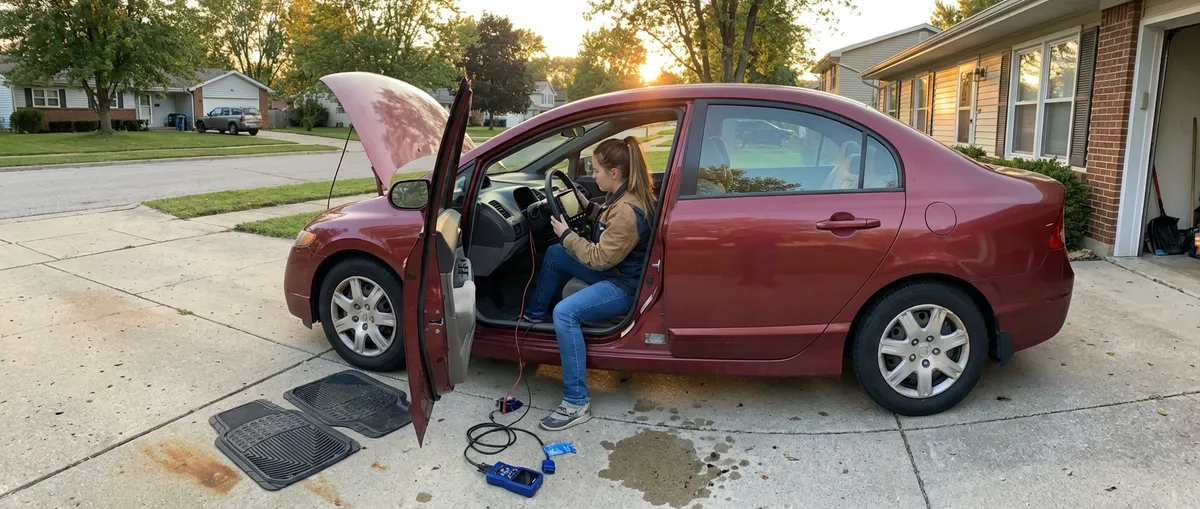
Most cars built after 1996 have an OBD-II port, which is like a diagnostic gateway to your car’s electronic brain. Many drivers only think of it when a mechanic reads codes, but a simple OBD-II adapter and good app can turn it into a live health monitor:
- Interpreting warning lights: When the check engine light comes on, a Bluetooth OBD-II dongle and smartphone app allow you to read fault codes on the spot. This helps you distinguish between “park it now” problems and “schedule a visit soon.”
- Watching key parameters: You can monitor coolant temperature, fuel trims, misfire counts, and more. Trends over time can reveal issues like weak coils, clogged injectors, or an aging thermostat before they trigger major failures.
- Trip and fuel analysis: Some apps track fuel economy, idling time, and driving behavior, helping you dial in smoother and more efficient driving habits.
- Maintenance tracking: Quality apps let you log services (brakes, oil, tires) and mileage-based reminders, consolidating your vehicle records in one place.
- Emissions readiness: Before a state inspection, you can check if all emissions “readiness monitors” have reset after a battery disconnect or repair, reducing the chance of failing for avoidable reasons.
Actionable point:
Buy a name-brand Bluetooth OBD-II adapter that supports your phone’s operating system and choose an app with clear data visualization, maintenance logging, and strong reviews. Keep the adapter unplugged when not in use if your car has battery-drain sensitivity or if the device doesn’t have a sleep mode.
Upgrade Lighting for Safer Night Driving (While Staying Street Legal)
Factory lighting—especially on older cars—often leaves a lot of performance on the table. Properly chosen upgrades can significantly improve visibility at night and in bad weather, but they need to be done legally and safely:
- High-quality halogen bulbs: For vehicles with halogen housings, a premium halogen bulb from a reputable brand can offer a noticeable improvement over no-name replacements without blinding other drivers.
- OEM-style LED retrofits: Some vehicles have factory LED or projector options that can be retrofit using original equipment parts. This can be costly but delivers the best mix of performance, legality, and beam control.
- Auxiliary lighting done right: For rural or off-road driving, adding dedicated fog lamps or driving lights can help—provided they are correctly aimed and only used where legal.
- Don’t chase lumens alone: Poorly designed “ultra-bright” LED bulbs in halogen housings can scatter light, reduce contrast, and create glare. Beam pattern and proper aim matter more than just brightness.
- Support systems: Simple tech like automatic headlight on/off or auto-dimming rearview mirrors can make night driving less stressful and help you avoid driving without lights in low visibility.
Actionable point:
Start with upgraded, name-brand halogen bulbs and a proper headlight aiming check. If you want LEDs, research whether your specific vehicle has an OEM LED or projector retrofit using factory-style components, and verify that any upgrade meets your local regulations.
Add Select Driver-Assistance Tech Without Over-Automating
You may not be able to fully match a new car’s driver-assistance suite, but certain add-on systems can reduce fatigue and enhance awareness when chosen carefully:
- Blind-spot monitoring: Aftermarket systems use radar or ultrasonic sensors installed in the rear bumper, with indicators in the A-pillars or mirrors. Done correctly, they can mimic factory blind-spot warning behavior.
- Backup camera and sensors: For cars without factory cameras, a high-resolution rear camera integrated into the license plate area and tied to the head unit or a dedicated screen significantly improves low-speed safety.
- Tire-pressure monitoring: If your vehicle lacks TPMS, external valve-cap sensors and a small display (or phone app) can give live pressure and temperature data. Keeping tires at the correct pressure improves safety, tire life, and fuel economy.
- Lane-departure assistance (with caution): Some aftermarket forward cameras offer lane-departure alerts and basic forward-collision warnings. These can help, but they’re generally less robust than OEM systems—treat them as aids, not guarantees.
- Parking aids for tight spaces: 360° camera systems or front parking sensors can be especially useful on bigger vehicles in urban environments, reducing avoidable scrapes and bumps.
Actionable point:
Prioritize driver-assistance add-ons that improve awareness (blind-spot, camera, TPMS) over aggressive steering/braking automation. Have sensor-based systems installed and calibrated by shops familiar with your vehicle type to avoid false alerts or blind spots.
Smart Charging and Power Management for All Your Devices
Today’s cars are rolling charging hubs, but poor power planning leads to clutter, weak connections, and sometimes electrical issues. Setting up a clean, reliable power system makes daily driving and road trips smoother:
- Use a high-quality multi-port charger: Choose a 12V/USB charger from a reputable brand with sufficient wattage and fast-charging standards supported by your devices (e.g., USB-PD, Quick Charge). Cheap chargers can overheat or create electrical noise.
- Clean cable routing: Route cables along interior trim lines or under mats where possible. Use low-profile cables with right-angle connectors to reduce strain on ports and avoid interfering with airbag deployment zones.
- Wireless charging pads: If your phone supports it, a vehicle-safe wireless mount reduces cable wear and makes short trips simpler. Ensure it grips securely and doesn’t block your primary field of view.
- Avoid direct hardwiring for high-draw accessories: For anything beyond low-power devices, use add-a-circuit fuse taps with correct amperage ratings and follow vehicle-specific wiring diagrams.
- Protect the battery: If you frequently use devices with the engine off, consider a charger with low-voltage cutoff or a dedicated portable power bank. For infrequently driven cars, a smart battery maintainer in the garage can extend battery life.
Actionable point:
Audit your current setup: remove low-quality chargers, standardize on a few robust cables, and plan a dedicated, tidy placement for each frequently used device (phone, dash cam, GPS). The goal is fewer, better connections with minimal clutter and no dangling wires across controls or mirrors.
Conclusion
You don’t need a brand-new car to enjoy real-world tech benefits. By focusing on upgrades that directly improve safety, visibility, diagnosis, and day-to-day usability, you can bring a “smarter” driving experience to almost any vehicle. Start with a solid dash cam and OBD-II setup, refine your lighting, add carefully chosen driver-assistance aids, and clean up your in-car power ecosystem. Each step adds tangible value—and together, they can make an older car feel far more modern, capable, and confidence-inspiring on every drive.
Sources
- [NHTSA – Vehicle Technology & Driver Assistance](https://www.nhtsa.gov/equipment/driver-assistance-technologies) - Overview of common driver-assistance features and their safety implications
- [IIHS – Headlight Ratings and Visibility Information](https://www.iihs.org/ratings/headlights) - Research and testing data on how headlight performance affects real-world safety
- [U.S. Department of Energy – Fuel Economy: Keeping Your Car in Shape](https://www.fueleconomy.gov/feg/maintain.jsp) - Explains how maintenance and tire pressure monitoring affect efficiency and operating costs
- [EPA – OBD II Systems Fact Sheet](https://www.epa.gov/obd/obd-ii-systems) - Technical background on OBD-II systems and how they relate to diagnostics and emissions
- [AAA – Headlight Maintenance and Upgrade Guidance](https://newsroom.aaa.com/2018/10/aging-headlights-can-limit-visibility/) - Practical advice on headlight condition, performance, and upgrade considerations