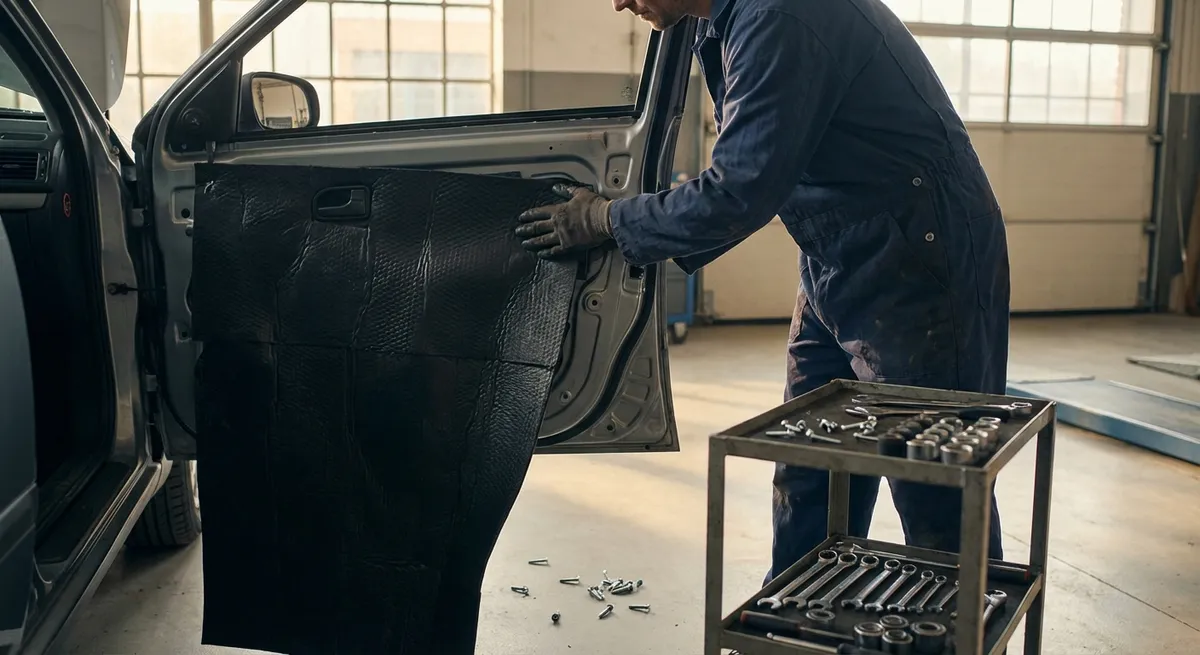
This guide focuses on practical maintenance steps that don’t just keep your car alive, but make it feel calm, tight, and refined on every drive. These are small, repeatable habits that can transform the daily drive in very real ways.
Why NVH-Focused Maintenance Matters More Than You Think
Noise and vibration aren’t just annoyances; they’re often early warning signs. A faint humming on the highway can be the first clue your wheel bearings are wearing out. A new vibration in the steering wheel might mean a tire is starting to separate or a suspension part is failing.
Paying attention to NVH and maintaining your car with this in mind gives you three big wins:
- Comfort: Less fatigue, easier conversations, better music listening, and a more “premium” feel even in an older car.
- Safety: Many NVH changes show up before a part outright fails—catching them early can prevent serious issues.
- Longevity: Components that are properly balanced, aligned, and lubricated tend to last longer and stress fewer connected parts.
Let’s walk through five actionable maintenance habits you can start using now to keep your car quieter, smoother, and more solid on every drive.
1. Make Tire Health Your First Line of Defense Against Noise and Vibration
Tires are the only part of your car touching the road, and they’re one of the biggest sources of both noise and vibration. You can have a perfect engine and suspension, but if your tires are neglected, the car will still feel rough and loud.
What to do:
- Check tire pressure monthly, not “when it looks low.”
Underinflated tires flex more, run hotter, and often get cupping or feathering, which grows into an annoying droning sound. Overinflated tires can be noisier and transmit more harshness into the cabin.
- Rotate your tires on a schedule.
- Even out wear patterns that can cause rhythmic thumping or growling
- Extend tread life so you don’t live with noisy, unevenly worn rubber
- Don’t ignore wheel balancing.
- Vibration in the steering wheel at certain speeds → often front-wheel imbalance
- Vibration in the seat or floor → often rear-wheel imbalance
Follow your owner’s manual, usually every 5,000–8,000 miles (often with oil changes). Tire rotation helps:
If you feel:
Ask for a balance check when you feel these symptoms, not just at replacement time.
- Inspect tread patterns with your eyes and hands.
Run your hand across the tread. If it feels like a “sawtooth” or is rough in one direction, you may have alignment issues or worn suspension components causing noise and vibration.
An NVH-aware owner treats tires as a tuned part of the ride experience, not just something black and round.
2. Align and Refresh the Suspension Before It Starts Speaking Up
Your suspension does more than handle bumps—it’s a huge filter for vibration and harshness. Worn suspension parts won’t always feel “broken,” but they’ll make the car feel more brittle, shaky, and noisy on imperfect roads.
What to do:
- Get an alignment when you notice subtle changes, not just major pulls.
- Steering wheel no longer straight when driving straight
- Car feels “skittish” or nervous over bumps
- Uneven tire wear (more inside or outside)
- Tire noise from uneven contact with the pavement
- Steering wheel vibration under load
- The “wander” feeling that makes you constantly correct the wheel
- Have control arm bushings and ball joints inspected every few years.
- More thumps over expansion joints
- More rattles on broken pavement
- Less precise steering feel
Signs you might need an alignment:
Proper alignment reduces:
As rubber bushings age, they harden and crack. That translates road imperfections straight into the cabin:
Replacing tired bushings can make an older car suddenly feel new and quiet again.
- Consider strut and shock condition by feel, not just mileage.
- Excessive bouncing after bumps
- More body roll in corners
- New clunks or knocks over rough roads
- Keep the tires planted (less vibration)
- Reduce secondary “after-bounce” noise
- Remove a lot of “crashiness” over potholes
If you notice:
Your dampers may be on the way out. Fresh shocks/struts:
Suspension refreshes are one of the most dramatic ways to improve how “solid” a car feels, especially as it ages.
3. Use Engine and Drivetrain Maintenance to Cut Buzzing and Drone
Many owners accept engine noise and drivetrain vibration as “just how the car is,” when some of it is actually maintainable. A smooth-running engine and healthy mounts make a big difference in cabin refinement.
What to do:
- Stick to recommended spark plug and ignition service intervals.
- Slight misfires under load
- Rough idle
- Subtle vibrations through the steering wheel or seat
Old plugs and weak coils can cause:
The engine may still run, but it won’t feel smooth. Fresh ignition components often quiet the engine’s character and smooth out acceleration.
- Don’t skip engine and transmission mounts.
- Transmit more buzzing at idle
- Cause extra vibration when shifting or under load
- Sometimes create clunks when changing from drive to reverse
Rubber mounts isolate engine vibration from the cabin. As they age, they:
If you notice vibration mostly when in gear but stopped, mounts are a prime suspect.
- Service the transmission and differential fluids as recommended.
- Helps gears mesh more smoothly
- Can reduce whines or humming under steady throttle
- Protects bearings and internal components that otherwise might start to “sing” as they wear
Fresh fluid:
Use the exact spec fluid (viscosity and type) recommended by the manufacturer to avoid introducing new noise.
- Pay attention to new sounds under load.
- Worn bearings
- Gear wear
- Driveshaft or CV joint issues
A hum or whine that appears when accelerating but disappears when coasting can be an early sign of:
Addressing these early can prevent both major repairs and a constant soundtrack of mechanical complaining.
4. Seal Out Wind and Road Noise with Simple Body and Door Care
As cars age, a lot of the added noise isn’t from the engine at all—it’s air and sound sneaking through worn seals, loose panels, and small gaps. You can recover a surprising amount of quiet just by treating the body and door areas as maintenance items.
What to do:
- Inspect and condition weatherstripping.
- Door openings
- Trunk lid
- Hood
- Sunroof (if equipped)
- Cracks
- Flattened rubber
- Sections coming loose
Look around:
If you see:
You’ve found a path for wind noise and water. Treat pliable seals with a rubber conditioner (designed for automotive seals) and replace any that are hardened or torn.
- Address door rattles and loose trim early.
- A loose clip or fastener
- A worn door latch striker bushing
- A loose speaker or trim panel
A small buzz in the door or dash over rough pavement is often:
Tightening or re-clipping panels doesn’t just remove the noise—it also prevents additional wear as parts vibrate against each other.
- Keep door drains and lower seals clean.
- Prevent doors from closing fully
- Keep seals from sitting properly
- Trap moisture that degrades rubber faster
Dirt and debris can:
A quick clean of door jambs and drains during washes helps seals do their job blocking sound.
- Listen for wind “whistles” at highway speed.
- A whistle near the A-pillar or mirror might mean a misaligned door or mirror housing.
- Whistling around windows can point to glass slightly misaligned or a weatherstrip not seating.
Small adjustments can stop an annoying constant tone that wears on long trips.
5. Use Smart Preventive Maintenance to Keep NVH From Creep-Up Mode
Noise, vibration, and harshness rarely jump from “fine” to “terrible” overnight. They creep in slowly, which means you can catch them early—if you build simple habits around them.
What to do:
- Do a “sensory test drive” every few months.
- What’s new? A hum, buzz, rattle, or whine you haven’t heard before
- Where do you feel it—steering wheel, seat, floor, pedals?
- Does it change with speed, engine RPM, or braking?
Once in a while, drive without music or podcasts and focus on:
Make a note, then mention those specifics to your mechanic. Clear descriptions of NVH changes help them pinpoint issues faster and avoid “no problem found” visits.
- Keep a simple log of NVH-related observations.
- Date, mileage
- New noise or vibration description
- When it happens (speed/RPM/road type)
You don’t need a spreadsheet—just a notes app:
Patterns over time are extremely useful for diagnosing issues like wheel bearings, tires, and drivetrain noise.
- Coordinate maintenance tasks to hit multiple NVH points at once.
- Align the car when you install new tires
- Check suspension bushings when brakes are being done
- Inspect engine and transmission mounts during oil changes on higher-mileage vehicles
For example, during a major service:
Bundling inspections and related work helps you keep the whole system quiet and smooth instead of chasing one new noise at a time.
- Choose quality replacement parts where it matters.
- Increase noise
- Transmit more vibration
- Make the car feel “cheaper” than it did from the factory
Cheap tires, hard bushings, or no-name mounts can:
For NVH-critical components, OEM or reputable brands are often worth the extra cost.
Conclusion
A quiet, smooth, and solid-feeling car isn’t just about what you bought—it’s about how you maintain it. By treating noise, vibration, and harshness as real maintenance targets instead of background annoyances, you can:
- Catch problems earlier
- Extend the life of expensive components
- Make every drive feel more calm, refined, and controlled
Start with your tires and alignment, listen for early changes, and give attention to the parts that isolate the cabin from the chaos of the road. Over time, these habits turn even a modest daily driver into something that feels carefully dialed-in—because it is.
Sources
- [National Highway Traffic Safety Administration (NHTSA) – Tire Safety](https://www.nhtsa.gov/equipment/tires) – Official guidance on tire maintenance, inflation, and safety factors that affect noise and vibration
- [U.S. Department of Energy – Vehicle Maintenance for Fuel Efficiency](https://afdc.energy.gov/files/u/publication/vehicle_maintenance.pdf) – Explains how proper vehicle maintenance (tires, alignment, engine condition) improves efficiency and smooth operation
- [Bridgestone – Wheel Alignment and Balancing Basics](https://www.bridgestonetire.com/learn/maintenance/alignment-and-balance/) – Overview of why alignment and balancing matter for ride comfort and vibration control
- [Monroe – Suspension Inspection Guidelines](https://www.monroe.com/en-us/support/technical-resources/ride-control-inspection-guidelines.html) – Manufacturer’s recommendations on inspecting shocks, struts, and suspension components affecting ride quality
- [SAE International – Automotive NVH Fundamentals Overview](https://www.sae.org/binaries/content/assets/cm/content/learn/ebrochures/2016/nvhbrochure.pdf) – Technical overview of noise, vibration, and harshness in vehicles and how components and design impact NVH characteristics