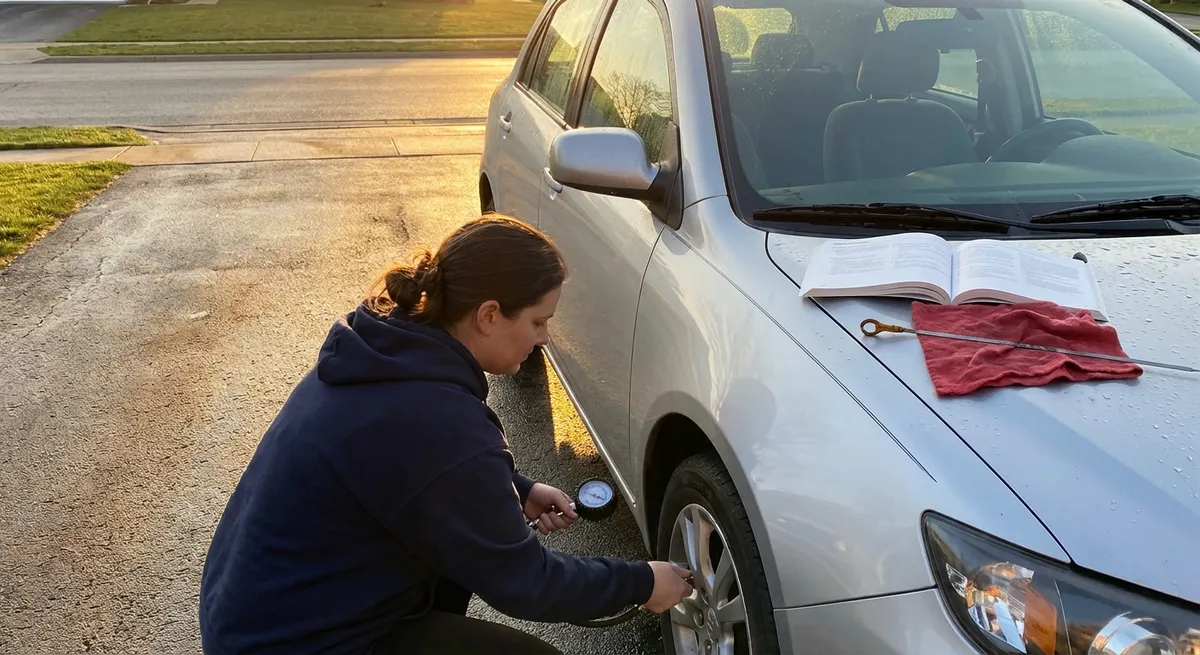
Below are five practical maintenance habits that fit real life, whether you daily a commuter, tow on weekends, or enjoy spirited drives.
Build a Fluid Check Routine That Matches How You Drive
Fluids are your car’s lifeblood. Instead of only thinking “oil change,” think “fluid system” and match your checks to how you actually use the car.
If you do mostly city driving, ride-share work, or lots of short trips, your oil and transmission fluid face more heat cycles and contaminants than highway cruisers. Check the oil level and color every month: the dipstick should show the level between the marks and the oil a clear amber to medium brown. If it smells burnt or looks like black sludge, move your next change forward.
Coolant deserves equal attention. Pop the hood when the engine is completely cold and verify the level in the overflow tank is between the “Low” and “Full” marks. Any sign of rusty coloring, oily sheen, or visible particles means it’s time to flush or at least test it. Overheating can destroy an engine in minutes, and a $15 coolant test or inspection can prevent that.
Brake fluid is often ignored until the pedal feels soft. Glance at the reservoir a few times a year; it should be near the indicated line and a clear to light amber color. Dark, almost brown fluid can signal moisture contamination, which can reduce braking performance under hard use (like mountain driving or track days).
Power steering and transmission fluid (if your car has a dipstick) should be checked according to your owner’s manual procedure — many require the engine running and transmission warmed up. If you tow, haul, or frequently drive in hilly terrain, consider shorter intervals than the factory minimum; heat is the enemy of automatic transmissions.
Making fluid checks part of a monthly or pre-road-trip ritual turns scary failures into predictable, manageable service jobs.
Read Wear Patterns Like a Story, Not Just a Warning
Your car constantly gives you clues about what it needs; you just have to know where to look. Instead of waiting for something to break, learn to “read” wear patterns so you can act early.
Start with tires. Uneven tread tells a very specific story:
- More wear on the inner or outer edges usually points to alignment issues or incorrect camber.
- Center wear with good edges often means overinflation.
- Outer edges worn but center fine can signal underinflation or aggressive cornering.
If you notice feathered or scalloped edges (tread blocks that feel rough one way and smooth the other), suspension components or balance might be off. Getting a proper alignment or suspension inspection at this stage can save a full set of tires and restore that planted, confident steering feel.
Brake components speak, too. A consistent squeal when braking lightly often means the wear indicators are touching the rotor — time for pads before they grind metal on metal. A scraping or grinding noise means you’ve likely worn through friction material and are now damaging rotors; at that stage, the bill jumps significantly.
Inside the cabin, pay attention to subtle changes: a new vibration through the steering wheel at highway speeds can indicate a tire balance issue or a bent wheel; a rhythmic “whup-whup” sound rising with speed might point to a cupped tire or failing wheel bearing.
The key is to react when changes are small. If something feels noticeably different — noise, vibration, steering weight, brake feel — assume the car is telling you a story and go find the cause while it’s still cheap and simple.
Make Friends With Your Owner’s Manual (and Build a Realistic Service Plan)
Enthusiasts love online forums and social media advice, but your car’s owner’s manual and maintenance schedule are still the baseline truth. Most manufacturers provide a “normal service” and “severe service” schedule — and a lot of real-world driving qualifies as severe without owners realizing it.
Severe service usually includes:
- Frequent short trips where the engine rarely warms fully
- Stop‑and‑go traffic in hot weather
- Regular towing, hauling, or mountain driving
- Dusty or off‑pavement conditions
If that sounds like your life, your factory intervals for oil, filters, and some fluids may not be conservative enough. Instead of guessing, open the manual or use the service section on the manufacturer’s website and see what’s recommended under severe use. That’s your realistic baseline.
Then, build a simple, custom plan:
- Anchor key services to mileage and time (e.g., “oil change every 5,000 miles or 6 months, whichever comes first”).
- Add “inspection” items for enthusiasts — like checking engine air filter, cabin filter, and belts every second oil change.
- If you use performance pads, summer tires, or upgraded suspension, add checkboxes for those parts to your plan; higher-performance gear often needs more frequent inspection.
You don’t need a complex spreadsheet. A single note in your phone, a shared calendar with reminders, or a paper log in the glovebox works fine. The goal is to move from reactive (“Something’s wrong, I need a shop”) to proactive (“It’s been 40,000 miles; time to service the transmission before problems appear”).
Protect Rubber, Plastics, and Seals Before They Fail
Everyone thinks about engines and brakes; fewer people think about the materials that keep everything sealed, quiet, and watertight. Rubber, plastic, and weatherstripping age faster when exposed to UV, heat, road salt, and ozone — and when they fail, you get leaks, wind noise, and expensive knock‑on problems.
Exterior weatherstripping around doors, windows, and the trunk or hatch benefits from a quick clean and treatment a few times a year. Wipe away dirt, then apply a rubber protectant or silicone-based conditioner designed for automotive seals. This keeps them supple, reduces wind noise, and helps prevent doors freezing shut in winter.
Wiper blades are cheap insurance for visibility and your windshield. If they chatter, streak, or leave unwiped areas, don’t wait until the rainy season — replace them. For enthusiasts who park outside, consider using a windshield sunshade; it protects your dash plastics, electronics, and even helps keep cabin temperatures lower, which is easier on everything.
Under the hood, take a visual tour every few months. Look for:
- Cracked or bulging coolant hoses
- Oil weeping around valve covers or timing covers
- Brittle vacuum lines
- Swollen battery cases or corroded terminals
Catching early leaks or aging hoses lets you schedule repairs on your terms instead of dealing with a roadside breakdown. Replacing a tired serpentine belt when it first shows small cracks is inexpensive; waiting until it snaps can mean a tow and possible overheating.
Even simple things like keeping door hinges lightly lubricated and cleaning dirt from door sills reduce stress on latches and seals. The payoff is a car that still feels “tight” years later — doors close with a solid “thunk” instead of a rattle, and you don’t get mystery water in the trunk after a storm.
Use Seasonal Transitions as Built‑In Service Checkpoints
You don’t need a complicated schedule if you tie maintenance to natural breaks in the year. Enthusiasts already think in terms of “summer setup” and “winter setup”; use that mental model even if you’re just commuting.
As weather cools in fall, plan a “pre‑cold check”:
- Test your battery (most parts stores will do this for free).
- Confirm coolant mix is appropriate for your climate.
- Inspect tire tread depth and think about winter or all‑weather options if you face snow.
- Verify that defrosters and heater work properly before you truly need them.
In spring, reverse the lens:
- Check for rust starting in wheel wells, door bottoms, and underbody areas that see salt; early cleanup and rustproofing keep it from spreading.
- Inspect suspension components and bushings that took a pounding from potholes.
- Swap from winter tires to summer or all‑season and verify pressures and torque on lugs.
Use seasonal wash sessions to focus on hidden areas. Clean under fender lips, behind wheels, and under door seals. Removing packed mud and salt here makes a huge difference to long‑term rust resistance, especially on performance cars that enthusiasts plan to keep long-term.
If you live in a hot climate, your “seasonal” shift may be pre‑summer. Prioritize A/C performance, cooling system health, and tire pressures — underinflated tires in extreme heat are a common setup for blowouts at highway speed.
By turning seasons into checklists, you stay ahead of the environment instead of reacting to it.
Conclusion
Well‑maintained cars don’t happen by accident. They come from owners who pay attention to small changes, follow a realistic service plan, protect the parts that age quietly, and use the calendar and their driving habits to decide what to do and when. You don’t need a lift, a full tool chest, or a race shop to keep your car ready — just consistent, simple habits and a willingness to listen when the car starts telling you a new story.
Make these five practices part of your routine, and you’ll drive a vehicle that not only lasts longer, but feels better every mile — more responsive, more predictable, and ready for whatever trip, commute, or backroad you have in mind.
Sources
- NHTSA – Vehicle Maintenance and Safety - U.S. National Highway Traffic Safety Administration overview of basic vehicle maintenance and its impact on safety
- Consumer Reports – Car Maintenance and Repair Guide - Practical advice and testing-based guidance on maintenance intervals and common service tasks
- AAA – Car Maintenance, Repairs, and Warranties - Covers recommended service, seasonal prep, and how driving conditions affect maintenance needs
- EPA – How Vehicle Choices and Maintenance Affect Emissions - Explains how proper maintenance improves efficiency and reduces emissions
- University of California, Davis – Safe Driving and Vehicle Maintenance Tips - Educational resource linking routine checks and inspections to safer, more reliable driving