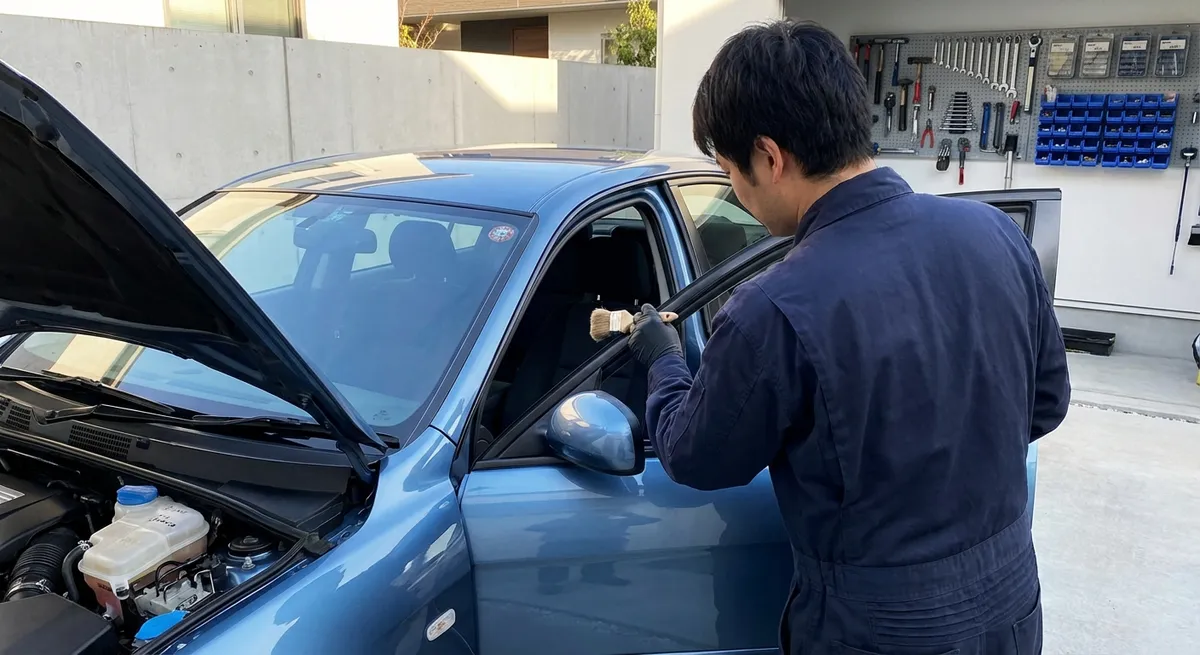
This guide breaks down five specific, practical maintenance habits that actually change how long your car feels solid—and how much you spend keeping it that way.
1. Treat Fluids Like Wear Items, Not Just Checkboxes
Engine oil, coolant, transmission fluid, brake fluid, and power steering fluid (if applicable) aren’t just there—they age, get contaminated, and slowly lose their protective qualities.
Instead of only following the bare minimum in your owner’s manual, think of fluids as long-term armor:
- Engine oil: Don’t just go by a round number like “every 3,000 miles” or “10,000 miles.” Follow the severe service schedule if you:
- Take mostly short trips
- Sit in heavy stop-and-go traffic
- Drive in extreme heat or cold
This is most urban drivers. Severe schedules are more realistic than “ideal” conditions.
- Coolant/antifreeze: Modern coolants can often last 5 years or 100,000+ miles, but that assumes:
- No leaks
- No mixed coolant types
- No overheating events
If you’ve had a cooling system repair, a boil-over, or a mystery leak, consider a full flush earlier than the maximum interval.
- Brake fluid: Hygroscopic brake fluid absorbs moisture over time. That:
- Lowers boiling point (worse braking on long downhill runs)
- Increases internal corrosion risk in brake lines and calipers
A 2–3 year brake fluid change interval is cheap protection, especially if you drive in hills or tow.
- Transmission fluid: If your car has a recommended change interval, take it seriously. For “lifetime fill” units, ask a reputable independent shop or brand-specific forum about real-world experience. Many enthusiasts do proactive fluid changes around 60,000–80,000 miles, especially on automatic and dual-clutch transmissions.
Actionable habit:
Once a year, sit down with your owner’s manual and build a simple fluid schedule:
- Note mileage and date of each fluid change
- Add “next due” mileage and month
Set calendar reminders in your phone so this information doesn’t live in the glovebox and get forgotten.
2. Make Tires Your Early-Warning System
Tires are one of the best “live data” sources on your car. How they wear tells you a lot about alignment, suspension health, and driving habits.
A tire isn’t just a round rubber part—it’s:
- Your only contact with the road
- A key part of how your car handles and stops
- A window into hidden mechanical issues
Pay attention to:
- Uneven wear (inside or outside edges): Usually points to misalignment, worn control arm bushings, or worn ball joints.
- Cupping or scalloping: Can indicate worn shocks/struts or other suspension issues.
- Center wear vs. edge wear: Center wear typically means overinflation, edge wear means underinflation.
Practical steps that matter:
- Check pressures monthly, cold: Use a reliable digital gauge and go by the door jamb sticker, not the sidewall max. Temperature swings of 20–30°F can change pressure by 1–2 psi.
- Rotate tires on a schedule: Usually every 5,000–7,500 miles, or at every oil change if you want to keep it simple.
- Visually inspect tread: At least once a month or before any long trip. Look at all four tires, not just the most visible ones.
Actionable habit:
Pick a recurring date—like the first weekend of every month—and do a 10-minute “tire ritual”:
- Check pressures (adjust to spec).
- Inspect tread and sidewalls for cracks, bubbles, nails, or uneven wear.
- Take a quick photo of each tire. Over months, you’ll easily spot wear patterns you might otherwise miss.
3. Use Your Ears and Hands to Catch Suspension Problems Early
Suspension and steering wear is often subtle at first. By the time something clunks loudly over every bump, the damage is done—and other parts may have been stressed too.
Instead of waiting for obvious symptoms, learn what your car “feels like” when healthy, then watch for small deviations:
Early warning signs include:
- Soft, floaty feel over bumps or dips: Shocks/struts may be losing damping ability.
- Steering that doesn’t self-center cleanly: Could indicate alignment or steering rack issues.
- Vibration at certain speeds: Might be wheel imbalance, bent rims, or worn suspension bushings.
- New noises:
- Clunks over speed bumps
- Creaks at low speeds when turning
- Rattles on rough pavement
Practical checks:
- Bounce test: At a corner of the car, press down hard and release. If it bounces more than once or twice, the shock/strut may be weak.
- Steering feel: On a straight, flat road, lightly hold the wheel. If the car wanders or needs constant correction, an alignment or suspension inspection is due.
- Garage test: Turn the wheel lock-to-lock at low speed in a parking lot with windows down. Listen for clicks, pops, or groans.
Actionable habit:
Once every few months, plan a deliberate “feel drive” on a familiar route:
- Same road, similar speed, windows cracked slightly
- Focus only on:
- How the car tracks straight
- How it reacts to bumps
- New sounds or vibrations
Make a quick note afterward if you notice any change. That gives your mechanic specific, time-stamped feedback when you go in.
4. Protect Electrical Systems Before They Become a Mystery Problem
Modern cars rely heavily on clean, stable electrical power. Weak batteries, corroded terminals, and poor grounds can trigger a mess of “phantom” issues long before you’re actually stranded.
Watch for subtle electrical warnings:
- Slow cranking when starting
- Headlights dimming slightly at idle
- Intermittent warning lights that come and go
- Random infotainment or sensor glitches
Basic preventive measures:
- Battery checks: Have the battery load-tested annually after year three (or sooner in extreme climates). Replace proactively if it tests marginal—especially before winter.
- Clean terminals and grounds: Corrosion at battery terminals or ground straps can cause voltage drops that confuse sensitive electronics. A simple cleaning with a battery brush and protective spray helps.
- Avoid accessory overload: High-draw aftermarket accessories (power inverters, large audio amps, light bars) should be properly fused and wired. Poor-quality installations can strain the alternator or battery.
Actionable habit:
At each oil change, quickly review your charging system:
- Visually inspect the battery for swelling, leaks, or corrosion.
- Check that cables are tight and secure.
- Ask your shop (or use a meter yourself) to check charging voltage and battery health.
Catching a weak battery early is cheaper and far less stressful than dealing with a no-start in a parking lot.
5. Keep Moving Parts Moving: Lubrication and “Quiet” Wear Points
Some of the most annoying and expensive failures come from simple things that stopped moving freely: sticky caliper pins, dry door hinges, stiff parking brakes, or seized suspension components.
Lubrication isn’t just about the engine. It also matters for:
- Brake hardware:
- Caliper slide pins need proper high-temp grease.
- Dry pins can cause uneven pad wear, pulling, or overheating.
- Door, hood, and trunk hinges/latches:
- Dry hinges creak, bind, and can eventually deform.
- Sticking latches may keep doors from closing securely.
- Parking brake mechanisms:
- Rarely used parking brakes can seize, especially in wet or salty climates.
- Periodic use keeps cables and internal parts moving.
- Suspension components with grease fittings (on some vehicles):
- Tie rod ends, ball joints, and U-joints with zerk fittings should be greased at specified intervals.
Practical approach:
- Seasonal lubrication: Use a light lubricant (like white lithium spray or manufacturer-approved products) on hinges, latches, and locks at least twice a year.
- Brake hardware check with pad changes: When pads are replaced, insist the shop properly cleans and lubricates slide pins and contact points—not just “throw on pads and go.”
- Parking brake exercise:
- Use your parking brake regularly (if your owner’s manual says it’s safe to do so).
- In automatic vehicles, apply it firmly before shifting into Park when parked on inclines.
Actionable habit:
Add a “lubrication day” to your spring and fall routine:
- Lube all door/hood/trunk hinges and latches.
- Gently cycle the parking brake a few times in a safe area.
- Listen for any binding or grinding that might warrant a closer look.
These tiny tasks cost almost nothing and help prevent the kind of slow, unseen wear that leads to sticky doors, dragging brakes, and costly labor later.
Conclusion
Cars don’t suddenly go from “fine” to “falling apart.” They slowly drift as small issues stack up: a little extra tire wear here, a weak battery there, some tired shocks, slightly old fluid. The owners whose vehicles stay tight, quiet, and reliable into high mileage aren’t just lucky—they apply consistent, simple habits.
Focus on:
- Fluids as protective armor, not afterthoughts
- Tires as readable early-warning indicators
- Suspension feel and sound as a regular check
- Electrical health before it fails
- Lubrication of the often-forgotten moving parts
Build these five habits into your normal driving life, and your car will feel newer, longer—while surprise repair bills become the rare exception instead of the norm.
Sources
- [NHTSA – Vehicle Maintenance & Safety](https://www.nhtsa.gov/equipment/tires#maintain-your-vehicle) – U.S. government guidance on tire care and general vehicle maintenance for safety
- [U.S. Department of Energy – Fuel Economy: Maintenance](https://www.fueleconomy.gov/feg/maintain.jsp) – Explains how proper maintenance (fluids, tires, and more) affects efficiency and long-term costs
- [AAA – Car Maintenance, Repairs & Warranties](https://www.aaa.com/autorepair/articles/car-maintenance-repairs-and-warranties) – Practical overview of maintenance schedules and what to expect over a vehicle’s life
- [Bridgestone – Tire Tread Wear & Causes](https://www.bridgestonetire.com/learn/maintenance/tire-tread-wear/) – Detailed breakdown of tire wear patterns and what they reveal about alignment and suspension
- [J.D. Power – What Is Brake Fluid And When Should You Change It?](https://www.jdpower.com/cars/shopping-guides/what-is-brake-fluid-and-when-should-you-change-it) – Clear explanation of brake fluid’s role and why periodic replacement matters