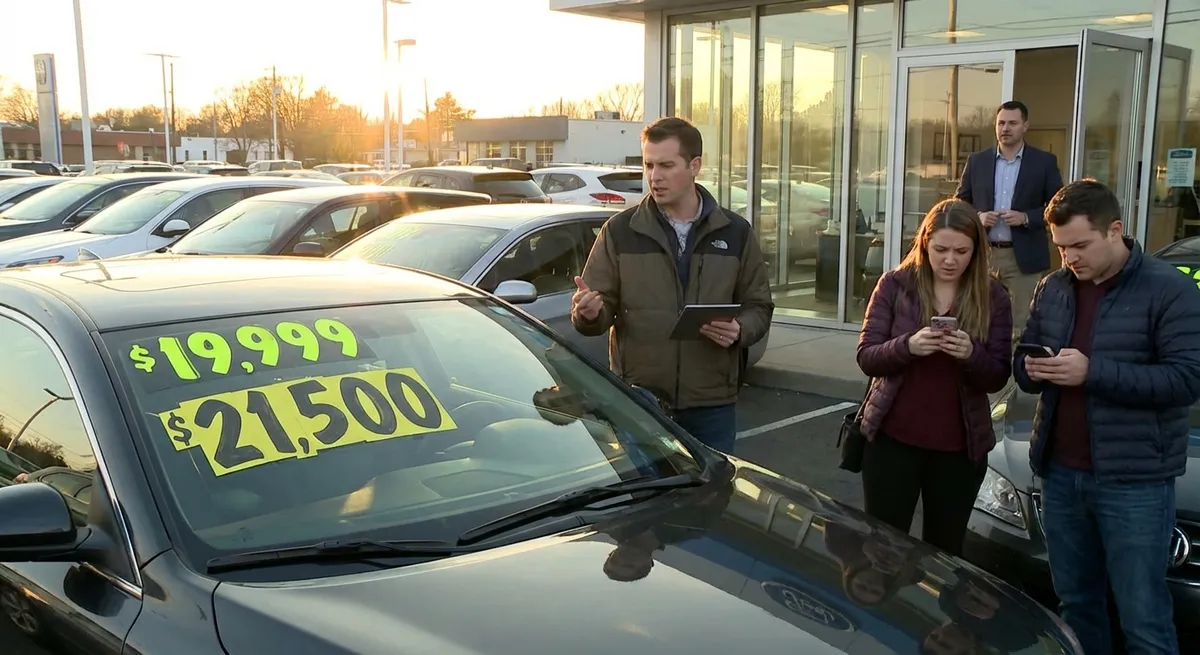
If you treat a car purchase like a long-term project instead of a one‑day event, you can flip the power balance in your favor. These practical, data‑driven moves will help you buy the right car for how you actually drive—without getting pushed into something that quietly drains your budget.
Lock In Your Real Budget After You Price Total Ownership
Most buyers only look at the purchase price or the monthly payment, and that’s where trouble starts. A car that fits your payment target can still be a financial trap once you factor in insurance, fuel, maintenance, tires, registration, and interest. Before you shop, pick three specific models you’re interested in and run the numbers on each: get insurance quotes, check typical fuel economy, price common maintenance jobs (brakes, tires, scheduled services), and estimate yearly mileage. Use an online total cost of ownership calculator as a baseline, then adjust it with real quotes from your area. You may find that “cheaper” cars with poor fuel economy or pricey insurance cost more over 5 years than a slightly higher‑priced, more efficient car.
This “total cost” view also keeps you from being pushed into a longer loan term just to make a payment look good. If a car only becomes “affordable” at 72–84 months, it’s not a good financial fit. Treat your real budget as a hard boundary and let that drive your shortlist, not the other way around.
Decide Your Non‑Negotiables Before You See Any Car
It’s easy to walk onto a lot wanting something “reliable and efficient” and walk out with a heavily optioned SUV because it had a panoramic roof and was “only” $60 more per month. The fix is simple but powerful: write down your non‑negotiables before you ever test drive. These should be based on how you actually use a car: parking space size, commute length, passengers you routinely carry, cargo you haul, climate you live in, and how long you plan to keep the vehicle.
Turn that into a short, specific checklist: body style (sedan/hatch/SUV), drivetrain (FWD/AWD/RWD), minimum safety features (automatic emergency braking, blind‑spot monitoring, etc.), fuel type (gas/hybrid/EV), and must‑have functionality (split‑folding rear seats, Android Auto/Apple CarPlay, roof rails, tow rating). When you’re at the dealership or browsing listings, compare each car to your list instead of letting the salesperson set the priorities. A car that doesn’t meet your non‑negotiables is an automatic “no,” regardless of how nice the paint, wheels, or discount looks.
Treat the Test Drive Like a Stress Test, Not a Joyride
Most test drives are short, smooth loops designed to impress you, not reveal problems. You should reverse that. Before you go, plan a specific route: include rough pavement, a tight parking lot, a long straight stretch where you can reach highway speed, and if possible, a short incline or hill. On the drive, turn off the radio and climate fan for several minutes and listen—really listen—for squeaks, rattles, wind noise, or drivetrain whine. These often hint at worn suspension, poor build quality, or previous accident repairs.
Focus on driving tasks you’ll do every day: parallel park, back into a space, merge onto a busy road, and make a quick lane change on the highway. Check visibility from all seats and test how easy it is to adjust mirrors, climate, and infotainment without taking your eyes off the road. Try connecting your phone to the system and placing a call. At the end, sit in the car with the engine off and go through every switch, window, lock, light, seat adjustment, and camera view. A test drive should answer one question honestly: “Do I want to live with this car every day, in real traffic and real parking, for years?”
Decode the Car’s Past With More Than Just a History Report
Vehicle history reports are useful, but they’re not a guarantee of a clean past. Many minor accidents and cosmetic repairs never get reported to insurance, and delays in data entry mean recent damage may not show up yet. Think of the history report as a starting point, not the full story. Check registration history for multiple short‑term owners—this can signal recurring problems or dissatisfaction. Watch for frequent auction or dealer transfers, which might indicate a hard‑to‑sell unit.
Then, cross‑check the report with a detailed physical inspection. Panel gaps that don’t match, overspray on rubber seals, misaligned headlights, and uneven orange‑peel texture in the paint can all point to unreported bodywork. Look under the car for fresh undercoating that seems to cover only one section, which may hide past rust repair or collision damage. Pull the dipstick and oil cap, inspect coolant color, and look for signs of neglected maintenance like dark, sludgy oil or badly worn tires with uneven tread. If the car passes your own inspection and the history checks out, back it up with a pre‑purchase inspection from a trusted independent mechanic—especially for performance models, EVs, and anything with complex electronics or air suspension.
Use Timing and Competition to Quiet the Sales Pressure
You can’t control market prices, but you can control when and how you shop. Dealers have monthly, quarterly, and annual targets, and they often get factory incentives tied to moving specific models or clearing aged inventory. Shopping toward the end of the month or end of a sales quarter doesn’t guarantee a huge discount, but it increases the odds that a manager is more flexible on a deal that helps them hit a target. Check manufacturer incentive pages and local dealer ads before you visit so you know which models are being pushed.
Most importantly, don’t negotiate from inside a single dealership bubble. Before you sit down to talk numbers, get written or emailed quotes from multiple dealers on the same model and trim, based on the same out‑the‑door (OTD) price—this includes fees, taxes, and add‑ons. Use OTD pricing as your comparison tool, not monthly payments. Bring the best competing quote with you (even digitally) and calmly ask if they can match or beat it, staying firm on saying no to add‑ons you don’t want (paint protection, VIN etching, marked‑up warranties). When you’re willing to walk away and you have clear alternatives, sales pressure loses most of its power—and better offers usually appear quickly.
Conclusion
Buying the right car isn’t about guessing, luck, or trusting whoever has the loudest ad. It’s about turning a big emotional decision into a controlled, informed process that fits your real life and real budget. When you calculate total ownership costs, define non‑negotiables, stress‑test your test drive, verify the car’s past beyond a basic report, and time your purchase with options in hand, you change the entire dynamic of the deal.
You’ll still feel that “new car” excitement—but it will be backed by data, planning, and confidence that the car works for you long after the temporary shine wears off.