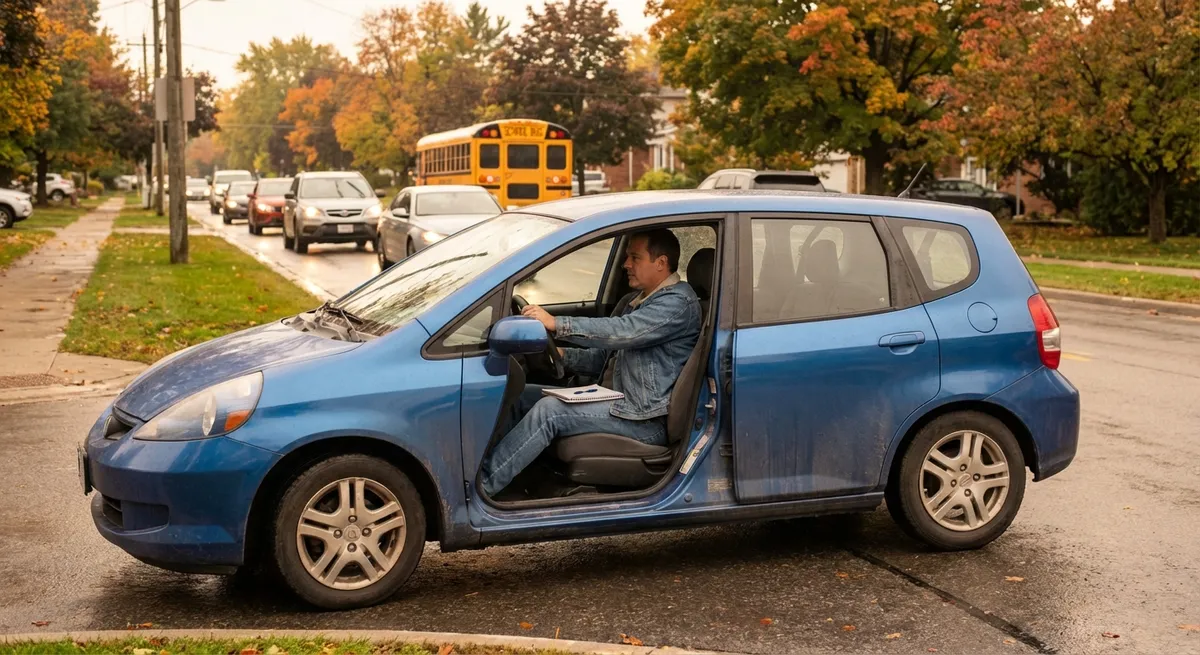
This guide walks through how to review a car from an owner’s perspective, using everyday conditions and five actionable approaches you can use on your next drive.
Build a Simple Daily-Use Checklist Before You Drive
Before you start “reviewing,” decide what actually matters in your day-to-day life. This keeps your impressions focused instead of random and vague.
Make a short checklist you can reference on your phone or a notepad. Include items like:
- Commute comfort: seat support, noise level, visibility, steering feel in traffic.
- Usability: how easy it is to pair your phone, adjust climate controls, use the touchscreen without distraction.
- Parking and maneuvering: turning radius, camera quality, mirror coverage, how easy it is to judge corners of the car.
- Cargo and space: loading height, seat-fold mechanism, usable space with seats up/down.
- Family/friends: rear seat comfort, child seat installation points, door opening size.
Use the same checklist every time you evaluate a car (your own, a rental, or a test drive). This consistency lets you compare vehicles more fairly instead of going off vague impressions like “felt nice” or “seemed small.”
Treat Your Commute as a Structured Test Route
Your normal routes are perfect for revealing how a car really behaves. Instead of just “running errands,” turn those drives into a structured mini test.
On your usual roads, pay attention to:
- Stop-and-go traffic: Does the transmission shift smoothly? Is the throttle jumpy or predictable? Is the brake pedal easy to modulate?
- Highway stretches: How does the car feel at 60–75 mph? Note engine noise, wind noise, and whether the steering feels stable or twitchy.
- Rough surfaces: Listen for rattles, feel suspension firmness, and notice how much vibration reaches the seats and steering wheel.
- Hills and merges: Does the car downshift quickly enough? Is there enough power for confident passing?
Capture specific examples:
Instead of “It’s loud on the highway,” say “At 70 mph on concrete freeway, road noise makes me raise the volume 4–5 levels compared to city speeds.” Specifics like that make your impressions much more valuable to other drivers.
Evaluate Tech and Safety Features in Real Scenarios
Modern cars pack in driver-assistance and infotainment tech, but how they actually behave matters more than the options list. Rather than just noting what features exist, test how well they work in your daily context.
Focus on these areas:
- Adaptive cruise control: Try it in light and moderate traffic. Does it brake and accelerate smoothly or feel jerky? Does it maintain a comfortable gap for your area’s driving style?
- Lane-keeping and lane-centering: Use it on clearly marked highways. Does it ping-pong between lane lines or hold the middle confidently? Are the alerts helpful or annoying?
- Blind-spot monitoring and cameras: Check how visible the alerts are in bright sun and at night. Review the clarity of backup and 360° cameras in a crowded parking lot.
- Infotainment and voice control: Test phone pairing, map input, and common commands while parked, then try simple tasks on the move—changing music, adjusting nav, calling a contact.
When you review, describe how the tech affects your driving:
“Lane-keeping nudges the wheel firmly enough that I trust it for short stretches, but the alerts are loud and frequent in city driving, so I keep it off around town.”
Track Fuel Use and Comfort Over Multiple Days
Single drives can mislead. A realistic review looks at how a car feels and performs over several days or weeks, especially for fuel use and comfort.
To do this practically:
- Fuel economy:
- Reset a trip computer after filling up and track a full tank of mixed driving.
- Note your city vs. highway mix and typical speeds.
- Compare your real-world number to the EPA ratings or manufacturer claims, and mention the gap.
- Comfort over time:
- After long drives (45+ minutes), rate your seat comfort: any back, leg, or neck fatigue?
- Pay attention to pressure points on seat base and backrest.
- Notice armrest placement and steering wheel adjustment range—can you find a truly relaxed position?
- Climate control performance:
- In hot weather, time how long it takes the cabin to feel comfortable after being parked in the sun.
- In cold weather, note how quickly heat and defrost clear the windshield and rear glass.
These longer-term observations help your review answer questions like “Is this a great car for long trips?” instead of just “It felt fine on a short test drive.”
Compare Your Impressions with Specs and Reliability Data
The most helpful car reviews blend personal experience with objective context. Once you’ve collected your own observations, cross-check them with publicly available data.
Here’s how to do it in a practical way:
- Match your impressions to specs:
- If the car feels underpowered when merging, look up horsepower, torque, and curb weight.
- If braking feels weak, check tests from reputable outlets that list stopping distances.
- Use this to phrase things more clearly: “0–60 mph in the mid-8-second range, and it feels just adequate for highway merges with four passengers.”
- Check reliability and ownership data:
- Look at independent reliability and owner satisfaction scores.
- Scan common problem areas—transmission issues, infotainment glitches, premature brake or tire wear.
- In your review, clarify whether your experience aligns: “No issues so far at 30,000 miles, which matches above-average reliability reports for this model.”
- Safety ratings:
- Reference crash-test results and safety ratings from official sources.
- If your review mentions safety, link it to actual scores: “Top scores in both frontal and side-impact tests, plus strong ratings for crash avoidance tech.”
This approach turns your review from “my opinion” into a grounded, practical resource that others can trust when they’re deciding what to drive or buy.
Conclusion
A useful car review doesn’t require specialized tools or expert credentials—it needs structured observation, repeated drives, and a willingness to test features the way you actually use them. By building a simple checklist, treating your daily routes like test loops, stress-testing tech and comfort, watching fuel use over time, and comparing your impressions with real data, you create reviews that help other drivers make smarter choices.
Whether you’re evaluating your own car for future resale, comparing a rental to your daily driver, or sharing impressions online, these practical steps will turn everyday seat time into insights that actually matter on the road.
Sources
- U.S. Department of Energy – Fuel Economy Guide – Official EPA fuel economy ratings and driving tips for comparing real-world consumption with published numbers
- NHTSA – 5-Star Safety Ratings – Government crash-test results and safety information for most vehicles sold in the U.S.
- IIHS – Vehicle Ratings – Independent crashworthiness and crash-avoidance ratings that provide context for safety-related impressions in reviews
- Consumer Reports – Car Reliability & Owner Satisfaction – Aggregated reliability and owner experience data that helps validate long-term impressions
- Edmunds – Car Reviews & Road Tests – Professional review structure and test data useful for comparing personal observations with instrumented testing