Tracking Fluid Health Instead of Just Fluid Levels
Most owners already know to “check the oil,” but the condition of your fluids matters as much as the amount. Fluids do the heavy lifting—lubricating, cooling, cleaning, and protecting expensive components—so catching changes early is one of the highest-impact habits you can build.
Engine oil should be checked on level ground with the engine off (and cool enough to touch). Look at the dipstick for three things: level between the marks, color, and smell. Dark oil is normal over time, but thick sludge or a burnt smell can signal overdue changes, overheating, or internal wear. If it looks like metallic glitter is suspended in the oil, stop driving and get it inspected immediately.
Coolant should be checked in the overflow reservoir, not by opening a hot radiator cap. The level should sit between the “low” and “full” marks. Cloudy coolant, visible rust flakes, or oil-like film are early warnings of corrosion or internal leaks. Brake fluid should be a clear to light amber color; dark, almost coffee-colored fluid suggests moisture contamination and reduced braking performance, even if the system still “feels” fine.
Transmission and power steering fluids (if your car has hydraulic steering) both have dipsticks or reservoirs with clear markings. Any sudden drop in level or change to a burnt, dark color deserves quick attention. By logging these quick visual checks once a month—just a few notes in your phone—you build a baseline for what “normal” looks like on your specific car, so problems stand out sooner.
Tire Care That Goes Beyond “Do I Still Have Tread?”
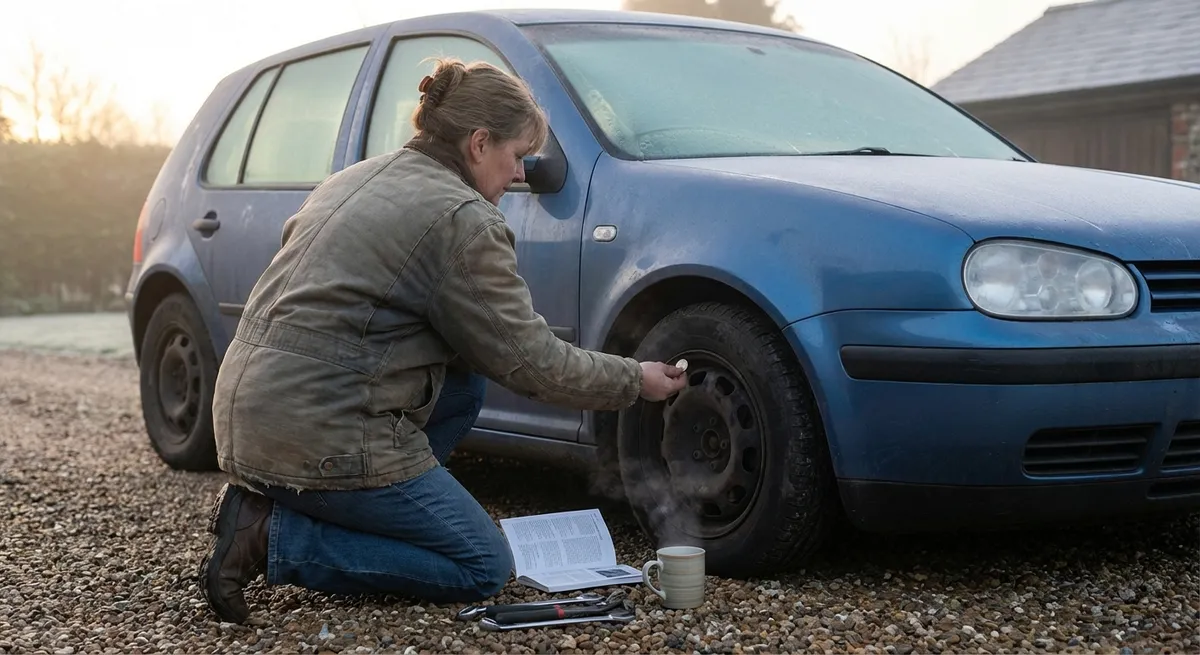
Tires are the only part of your car that actually touches the road, and they quietly dictate safety, handling, and even repair costs. Worn or poorly inflated tires stress suspension components, lengthen stopping distances, and increase the chance of blowouts that can cause body damage or worse.
Start with air pressure, checked cold (before driving more than a couple miles). Use the recommended pressures on the driver’s door jamb sticker, not the maximum pressure listed on the tire sidewall. Underinflation leads to edge wear, heat buildup, and higher fuel consumption. Overinflation reduces grip and causes center tread wear. Get in the habit of checking once a month and before any long trip.
Next is tread depth and wear pattern. Use a simple tread depth gauge or even a penny/quarter test as a rough check. You want consistent depth across the whole width of the tire. More wear on the inside or outside shoulder points to alignment issues; cupping or patchy wear hints at worn shocks or struts; a scalloped or choppy pattern can indicate balance problems. These are early-stage clues that suspension components are stressing out—which, caught early, are much cheaper to address.
Finally, rotate your tires on a consistent schedule, often every 5,000–7,500 miles (or whenever you change your oil, if that interval matches your car’s needs). Keeping a simple record—date, mileage, what was done—helps spot patterns over time. Tires that wear evenly not only last longer but reduce the strain on steering and suspension parts, preventing a cascade of future repairs.
Listening for Noises That Point to Hidden Wear
Many drivers mentally tune out noises—until they become too loud to ignore. Training your ear to notice new sounds gives you a head start on issues long before warning lights appear. It doesn’t require mechanical expertise; you’re just paying attention to changes from your car’s usual “background sound.”
On startup, pay attention to cold-engine noises. A high-pitched squeal that disappears after a minute often means a slipping accessory belt or a tired belt tensioner. A deep knocking or ticking that persists as the engine warms up is more serious and should be checked quickly.
While driving, brake-related noises are some of the most useful signals you’ll get. A light, rhythmic squeal when braking often means wear indicators are touching the rotor—this is your intentional early warning to replace brake pads before metal-on-metal contact damages rotors. Grinding or scraping sounds usually mean you’re already at that metal-on-metal stage, and costs rise fast if you continue driving.
Suspension and steering noises are another early-warning goldmine. Clunks when turning or going over bumps can point to worn ball joints, sway bar links, or bushings. A roaring or humming that gets louder with speed and changes when you steer slightly left or right often signals a failing wheel bearing. Catching these when they’re just “odd sounds” instead of “something broke” gives you options, time to shop for estimates, and safer driving in the meantime.
Protecting Rubber and Plastic Before They Crack and Leak
Modern vehicles rely heavily on rubber and plastic: hoses, belts, window seals, boots, bushings, and connectors all age quietly, then fail suddenly. A little attention here prevents everything from annoying wind noise to catastrophic overheating.
Under the hood, squeeze accessible coolant hoses (when the engine is cool). They should feel firm but flexible, not rock-hard, spongy, or cracked. Any swelling near clamps, visible surface cracks, or dried coolant traces are red flags. Drive belts should be inspected for glazing (shiny polished surfaces), fraying, missing chunks, or cracks across the ribs. Many belts now last longer than older designs, but when they go, they can take out accessories like the alternator or water pump in seconds.
Around the exterior, look at door seals and window weatherstripping. Dried, cracked rubber lets in water, contributing to foggy windows, moldy interiors, and corrosion in hidden places. A simple rubber-safe protectant applied occasionally can dramatically extend their life, especially in very hot or very cold climates.
Don’t ignore protective boots under the car—especially on CV joints and steering components. Torn boots let in grit and lose lubrication, turning a simple rubber replacement into a full joint or rack repair later. Even if you’re not able to do underbody inspections yourself, asking your shop to specifically note boot, bushing, and hose condition during routine service gives you a maintenance roadmap instead of waiting for failures.
Building a Simple Inspection Rhythm That Actually Fits Your Life
A lot of maintenance advice fails because it asks owners to remember too much. Instead of thinking in terms of “everything I should be checking,” build a repeatable rhythm around your real routine. That rhythm makes small checks automatic—long before anything becomes urgent.
Tie quick visual checks to moments you already experience: when you fuel up, when you wash the car, or on a quiet weekend morning once a month. For example: at the pump, glance at tire sidewalls, check fuel door area for rust or damage, and look under the car for fresh drips. When you wash the car, take 60 seconds to open the hood, scan for loose connections, frayed wires, or fluid residue that wasn’t there before.
Use your phone for reminders and records. Create a recurring monthly calendar event: “10-minute car check.” In the notes, list your key items: fluids, tires, lights, and noises. Add mileage and quick observations each time. Over a year or two, this mini log becomes surprisingly powerful: you’ll notice patterns in oil consumption, catch gradual coolant loss, and know exactly how long tires or brakes are actually lasting on your driving pattern.
Most importantly, treat your maintenance schedule as a living document, not a mystery. Compare your owner’s manual intervals with your real-world use—lots of short trips, trailer towing, extreme heat or cold all qualify as “severe service” and usually demand shorter intervals. A brief conversation with a trusted mechanic about your driving habits can help you tailor oil changes, transmission service, and coolant flushes so they’re proactive rather than reactive.
Conclusion
Preventing big car repairs isn’t about memorizing every component under the hood; it’s about building a few simple habits that give you early warning. Watching fluid condition, not just levels; paying attention to tire wear and pressure; noticing new noises; protecting rubber and plastic; and folding quick checks into your existing routine all stack together. Each one catches small problems before they snowball into major failures.
Over time, these quiet fixes translate into fewer surprises, more predictable costs, and a car that feels “solid” for years longer than most owners expect. You don’t need to be a technician—you just need to be the first person to notice when your car starts telling you something has changed.
Sources
- [National Highway Traffic Safety Administration (NHTSA) – Vehicle Maintenance](https://www.nhtsa.gov/sites/nhtsa.gov/files/2023-09/Vehicle-Maintenance-Counts-032023-v2-tag.pdf) - Federal guidance on how basic maintenance impacts safety and reliability
- [AAA – Vehicle Maintenance Inspection Checklist](https://exchange.aaa.com/automotive/vehicle-maintenance-guide/) - Practical checklists and service interval guidance for common systems
- [U.S. Department of Energy – Tire Maintenance and Fuel Economy](https://www.energy.gov/energysaver/tires-and-fuel-economy) - Explains how tire pressure and condition affect efficiency and wear
- [Bridgestone – Tire Wear Patterns Guide](https://www.bridgestonetire.com/learn/maintenance/tire-wear-guide/) - Visual reference for diagnosing alignment, balance, and suspension issues from tread wear
- [Car Care Council – Car Care Resources](https://www.carcare.org/car-care-resource/) - Consumer-focused information on fluids, hoses, belts, and preventive maintenance practices