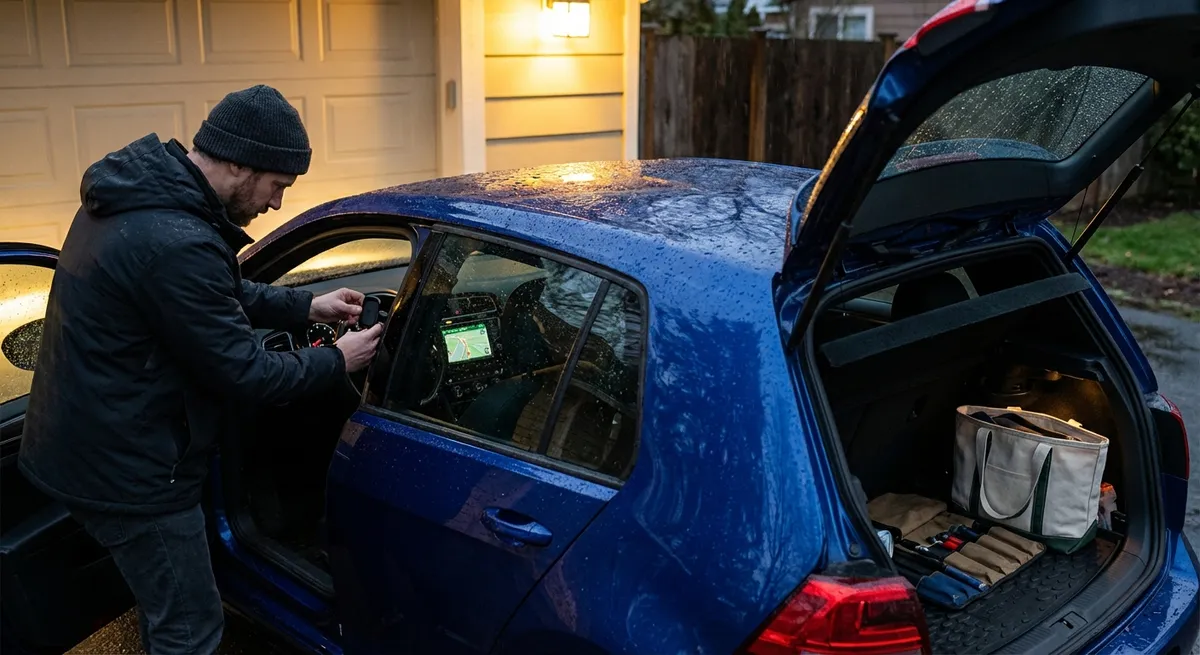
Turn Your Phone Into a Real Car Health Monitor
Most cars built since the mid‑2000s can tell you far more than just “check engine.” You just need a way to read what the car already knows.
A simple OBD‑II (On‑Board Diagnostics) Bluetooth adapter and a good smartphone app can give you live engine data, battery voltage, coolant temperature, and stored fault codes. Instead of panicking when a warning light appears, you can see exactly which sensor or system triggered it, whether it’s an urgent issue (like low oil pressure) or something you can safely schedule (like an emissions‑related code).
Look for adapters that support current protocols and list compatibility with both Android and iOS. Avoid the absolute cheapest, no‑name adapters; they can be slow, unreliable, or even cause communication errors on the car’s network. Pair the adapter with a reputable app that explains codes in plain language and offers likely causes or next steps. This combination lets you:
- Capture fault codes before the shop clears them
- Monitor for recurring issues over time
- Screenshot data or logs to share with your mechanic
- Check used cars before you buy for hidden or pending fault codes
Used this way, “car health monitoring” becomes more than a buzzword—it’s a way to make better maintenance decisions and avoid both breakdowns and unnecessary repairs.
Use Dashcams for Evidence, Not Just Cool Footage
Dashcams have moved from novelty gadgets to serious ownership tools. Modern cameras offer loop recording, impact detection, GPS speed/location data, and parking surveillance, all on a small SD card. The real value isn’t the videos you share—it’s the evidence you have when something goes wrong.
A front camera is the minimum; a dual‑channel (front and rear) setup gives you a full view of rear‑end collisions and parking lot incidents. Hardwiring kits let the camera run in parking mode without draining the battery, relying on voltage cut‑off to shut down before the battery gets too low.
When choosing and setting up a dashcam, focus on:
- Video quality at night and in bad weather, not just daytime resolution
- A wide enough field of view to capture adjacent lanes without heavy distortion
- Reliable impact detection sensitivity (too low and it misses events; too high and it saves every speed bump)
- An SD card rated for high‑endurance use
Once it’s installed, periodically check the memory card and settings, and verify that timestamp and GPS data are accurate. If you’re in an incident, immediately save or back up the relevant clips before they’re overwritten. A few minutes of setup can give you powerful evidence for insurance claims, hit‑and‑run incidents, or disputed traffic citations.
Automate Your Maintenance Log With Simple Tech
Many owners lose track of what’s been done to their car—oil changes, brake jobs, fluid flushes—and that leads to missed services, redundant work, or weak resale value. You don’t need complex software to fix this; a simple digital system that you actually use is the real goal.
You can:
- Use a notes or spreadsheet app on your phone to log date, mileage, and work performed
- Snap photos of receipts and attach them to each entry
- Set recurring calendar reminders for key services based on mileage or time (for example, “Check tire tread depth every 6,000 miles” or “Coolant check every 12 months”)
Some third‑party car‑owner apps integrate fuel tracking, service reminders, and cost per mile. If your vehicle’s manufacturer offers a connected‑services app, link it to your account—it may automatically log some services performed at the dealer and show recall or service campaign notices.
A well‑kept digital log helps you:
- Catch patterns (like brakes wearing out faster than expected)
- Show proof of maintenance to future buyers or warranty providers
- Avoid over‑servicing at shops that can’t see your full history
The tech doesn’t need to be complex; the value comes from consistency and having your car’s “life story” ready whenever you need it.
Upgrade Safety With Smart Lighting and Driver Aids
Not all safety tech requires a new vehicle with built‑in driver assistance. Some relatively simple upgrades can improve visibility and awareness in daily driving without overhauling your entire car.
Better lighting is one of the most effective changes. Upgrading worn‑out halogen bulbs to high‑quality replacements (or properly designed LED retrofit kits that meet local regulations) can increase nighttime visibility while reducing eye strain. Before any upgrade, restore cloudy headlight lenses with a proper polishing kit or professional service; even the best bulbs are useless behind yellowed plastic.
Other add‑on aids can help fill gaps in older cars:
- Aftermarket backup cameras with wide‑angle lenses and dynamic guidelines
- Rear and front parking sensors to detect obstacles you can’t see
- Blind‑spot mirrors or radar‑based blind‑spot monitoring kits
Install these thoughtfully: aim cameras so you can see the edge of your bumper, park in a marked space to calibrate guidelines, and test sensors in a safe area to understand their behavior. These technologies don’t replace good driving habits, but they provide extra information when it matters most—tight parking lots, poorly lit streets, and fast‑moving multi‑lane traffic.
Use Connectivity and Apps to Control Costs at the Pump and on the Road
Auto tech isn’t only about what’s bolted to the car; smart use of apps and connected tools can quietly save money on fuel, tolls, and parking.
Fuel‑price apps crowdsource current gas prices, helping you avoid the most expensive stations along your route. The best ones factor in brand, payment options, and real‑time user reports so you don’t drive out of your way for outdated prices. Navigation apps that account for traffic and elevation can also reduce unnecessary idling and stop‑and‑go conditions that burn extra fuel.
For regular commuters, consider:
- Toll transponders or tags that offer discounted rates versus pay‑by‑mail
- Parking apps that show availability and pricing before you enter a garage
- EV‑specific apps (if you drive electric or plug‑in hybrid) that show charger locations, power levels, and real‑time availability
Many modern vehicles support Android Auto or Apple CarPlay, which project your phone’s navigation, audio, and communication apps to the car’s screen. Use this integration to keep your phone out of your hands while still leveraging live traffic, smarter routing, and up‑to‑date maps. The result is fewer surprises, more predictable travel times, and less wasted fuel.
Conclusion
Practical auto tech isn’t about chasing the latest gadget—it’s about choosing tools that make ownership easier, safer, and less expensive. A simple OBD‑II adapter, a reliable dashcam, a disciplined digital maintenance log, smarter visibility upgrades, and well‑chosen apps can transform how you manage your car without changing what you drive.
Start with one area that solves a real problem you have right now—mystery warning lights, parking lot scrapes, lost service records, stressful night driving, or fuel costs—and build from there. The best auto tech quietly fades into the background, leaving you with a car that just fits your life better.
Sources
- U.S. Environmental Protection Agency – OBD-II: On-Board Diagnostics - Overview of OBD‑II systems and how they monitor vehicle health
- National Highway Traffic Safety Administration – Dash Cam Considerations - Safety and legal considerations for using dashboard cameras
- Insurance Institute for Highway Safety – Headlight Ratings - Research on how improved headlights affect nighttime visibility and safety
- U.S. Department of Energy – Fuel Economy Tips - How driving habits and route choice impact fuel usage and costs
- AAA – Vehicle Maintenance Checklist - Guidance on maintenance items and intervals that can be tracked with digital tools