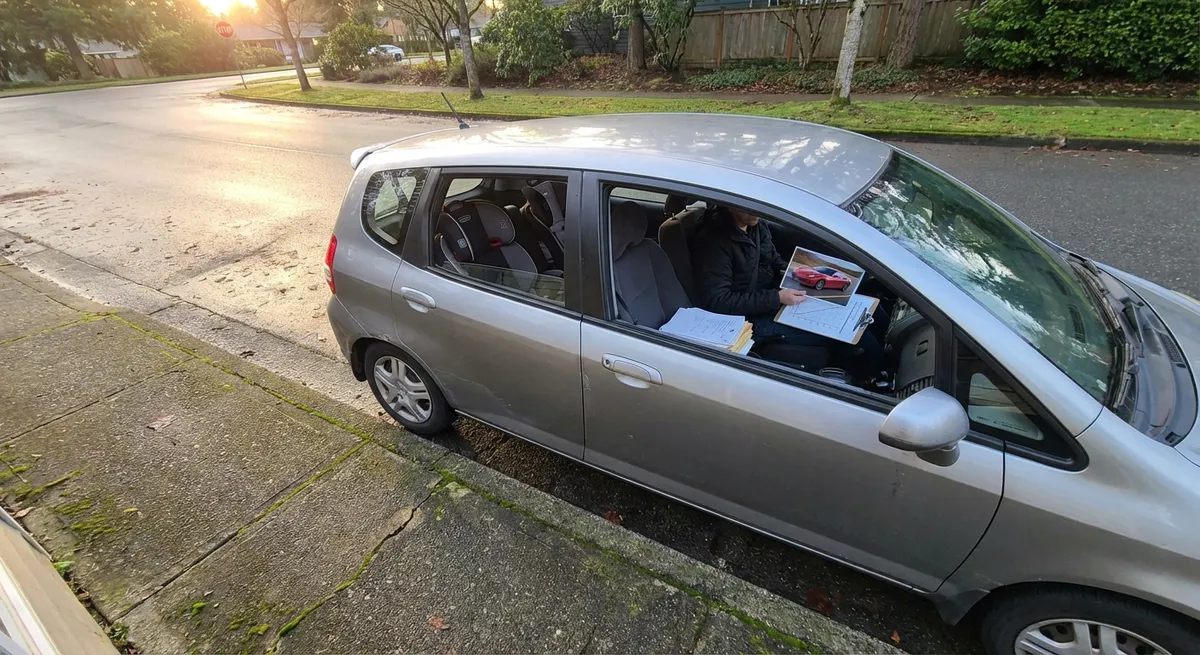
This guide focuses on practical, real-world moves you can make before and during the buying process. Each point below is designed to help you avoid common traps and end up with a car that fits your life, not just your wish list.
Point 1: Build a “Use-Case Profile” Before You Browse
Before you ever open a listing or step on a lot, write out a one-page snapshot of how you actually use a vehicle. This simple exercise helps you avoid overbuying power, features, or size you’ll never use.
Include:
- Daily mileage and type of driving – Mostly city, highway, or mixed? Stop‑and‑go favors hybrids or efficient gas engines; long highway stretches make diesel or traditional gas engines more viable.
- Passenger reality – How many people ride with you 90% of the time? Buying for rare edge cases (like once‑a‑year road trips with six people) can push you into a bigger, thirstier vehicle than you need.
- Cargo pattern – Groceries and a stroller need different space than tools, bikes, or musical equipment. Measure the largest typical item you haul and compare to trunk/hatch dimensions, not just quoted cargo volume.
- Climate and terrain – Snow, steep hills, and unpaved roads may justify AWD or better ground clearance; warm climates might make ventilated seats and strong AC a higher priority than heated features.
- Parking and home situation – Tight city streets and small garages change what’s realistic. If you’re considering an EV or plug‑in hybrid, check if you can install home charging or reliably access public chargers.
Once your use-case profile is written, rank the top five non‑negotiables (e.g., must fit two rear‑facing child seats, must clear a low‑height garage, must get at least 30 mpg combined). Use that list as a filter, not the marketing brochure. If a car can’t meet your top needs, it’s off the list, even if it looks good on paper.
Point 2: Budget for “True Cost,” Not Just the Monthly Payment
Dealers and online lenders love to talk in monthly payments because it hides the true cost of the vehicle. To protect yourself, you need to calculate the total cost of ownership, not just the price on the windshield.
Break your budget into these pieces:
- Purchase and financing – Look at the total out‑the‑door price (vehicle, taxes, fees) plus interest over the life of the loan. A low monthly payment with an 84‑month term can cost thousands more in interest than a shorter loan.
- Insurance impact – Sport trims, turbo engines, luxury badges, or advanced driver‑assist packages can significantly change your premium. Get quotes on specific VINs or at least exact model/trim before you sign.
- Fuel or energy cost – Compare EPA ratings (or equivalent WLTP values) and your expected mileage. For EVs, factor in home electric rates and possible peak pricing; for gas, check current local prices and assume they’ll fluctuate.
- Maintenance and wear items – Some vehicles need premium fuel, more expensive tires, or specialized fluids. Others have pricier scheduled services (timing belt vs. chain, dual‑clutch vs. traditional automatics). Research typical service intervals and costs for your short‑list models.
- Depreciation and resale – If you plan to keep the car less than 6–7 years, resale value matters. Brands with strong resale can be more expensive up front but cheaper over a 3–5 year window.
Run a “reality check”: take your ideal car, plug in loan terms, insurance quotes, fuel estimates, and maintenance approximations, then compare to a slightly less expensive or more efficient model. It’s common to discover that a lower‑trim or different model can save thousands over the time you’ll own it without sacrificing what you actually need.
Point 3: Match Powertrain to Your Driving Pattern, Not the Hype
Trendy powertrains—turbo compacts, plug‑in hybrids, and full EVs—can be fantastic, but each shines in specific usage patterns. Matching your use case to the right powertrain is one of the biggest levers you have to control cost, reliability, and satisfaction.
Conventional gas engines
Best for drivers who:
- Want straightforward ownership and broad serviceability
- Drive mixed conditions without heavy stop‑and‑go
- Don’t have easy access to charging or are wary of newer tech
Look for proven engine families and transmissions with solid long‑term reliability records rather than chasing the newest or most powerful variant.
Hybrids (non plug‑in)
Best for:
- City or mixed commuting with a lot of idling and low‑speed driving
- Drivers who want better fuel economy without changing their routine
- Owners planning to keep the car long enough to benefit from efficiency gains
Modern hybrid systems are generally robust, and many manufacturers back hybrid components with longer warranties.
Plug‑in hybrids (PHEVs)
Best for:
- Short daily commutes within the electric range, with occasional longer trips
- People who can reliably charge at home or work
- Drivers who like EV benefits but want gasoline backup
If you rarely plug in, you’re carrying extra battery weight without much reward. If you can plug in daily and your commute fits within the range, fuel savings can be significant.
Fully electric vehicles (EVs)
Best for:
- Predictable daily driving within the vehicle’s effective range
- Access to overnight home charging (ideally Level 2)
- Regions with solid public charging infrastructure
Consider battery range at 80% of the rated value to account for weather, degradation, and high‑speed driving. If your typical week includes long high‑speed drives with limited charging options, an EV may introduce more stress than savings.
Point 4: Inspect for “Future Fit” Before Signing Anything
Car buying isn’t just about today’s needs; it’s about whether the vehicle will still work for you in three to seven years. Before you commit, run a “future fit” inspection that goes beyond the quick test drive.
Think through:
- Life events and family changes – Planning kids, aging parents, or a home move? Two car seats and a rear‑facing infant seat will rule out many compact back seats. A move to a snowy climate can change your minimum traction and ground‑clearance needs.
- Technology obsolescence – Built‑in navigation and infotainment can age quickly. Check whether the car supports Apple CarPlay/Android Auto, over‑the‑air updates, and has physical controls for key functions (climate, volume) that you’ll still want in 5+ years.
- Repair accessibility – Overly complex packaging, rare parts, or limited dealer coverage in your area can make future maintenance frustrating. Search common repair items for your short‑list model (coil packs, injectors, sensors) to see what owners experience.
- Safety upgrades – Look for solid crash-test scores and practical driver aids (automatic emergency braking, blind‑spot monitoring, adaptive cruise) that will still be considered baseline safety features in several years.
- Aftermarket and support community – Enthusiast‑oriented models with large owner communities often have more DIY guides, part availability, and tuning options. That can be a big advantage if you plan to tweak or maintain the car yourself.
Walk around the vehicle and sit in every seat as if you’re living with it long‑term. Load strollers, golf bags, or tools. Try loading a child seat, folding the rear bench, and parking in a tight space if possible. The right car should not just impress you on a 10‑minute drive; it should feel workable for your routine for years.
Point 5: Leverage Market Timing and Data Instead of Haggling Alone
You don’t need to be a master negotiator to get a fair deal, but you do need to understand market context. The same car can cost substantially more or less depending on timing, supply, and incentives.
Use these tactics:
- Track price history – For used cars, check pricing tools that estimate fair market values and show historical trends for specific models and mileages. For new cars, compare MSRP, invoice (if available), and what similar buyers are paying.
- Watch supply and demand – High‑demand models with limited allocation rarely sell below MSRP. However, outgoing model years, less popular trims, or vehicles with mid‑cycle refreshes coming soon can be ripe for discounts.
- Pay attention to incentive cycles – Manufacturers often roll out incentives at the end of the month, quarter, or model year, including rebates, low‑APR financing, or lease deals. Aligning your purchase timing with these cycles can lower your total cost dramatically.
- Separate each part of the deal – Treat vehicle price, financing, trade‑in, and extras (warranties, add‑ons) as separate conversations. Clarify the price of the car before discussing monthly payments, and get pre‑approval from your bank or credit union so you can compare dealer financing honestly.
- Use multiple quotes as leverage – Get written or emailed out‑the‑door quotes (including all fees) from several dealers within a workable radius. You don’t need to pit them aggressively against each other; simply letting each dealer know you’re cross‑shopping often prompts more realistic offers.
This data‑driven approach reduces emotional pressure and lets you walk away if the numbers don’t align with your researched expectations. A car you like at a rational price always beats your dream car at a payment that quietly strains your budget.
Conclusion
Buying the right car isn’t about memorizing sales tactics or chasing the latest tech buzzwords. It’s about being brutally honest with yourself: how you drive, what you need the car to do, what you can comfortably spend over time, and how your life will change while you own it.
By building a clear use‑case profile, budgeting for true ownership cost, choosing a powertrain that fits your real driving, stress‑testing the vehicle for future fit, and using market data to anchor your deal, you stack the odds in your favor. The payoff isn’t just a better car—it’s a car that quietly does its job, day after day, without draining your wallet or your patience.
Sources
- [U.S. Department of Energy – Fuel Economy Guide](https://www.fueleconomy.gov/feg/findacar.shtml) – Official fuel economy ratings and side‑by‑side comparisons for new and used vehicles
- [National Highway Traffic Safety Administration (NHTSA) – 5-Star Safety Ratings](https://www.nhtsa.gov/ratings) – Crash-test results and safety information for evaluating vehicle safety performance
- [Insurance Information Institute – Factors That Affect Your Auto Insurance Premium](https://www.iii.org/article/what-determines-the-price-of-my-auto-insurance-policy) – Explains how vehicle type and features influence insurance costs
- [Consumer Reports – True Cost of Car Ownership](https://www.consumerreports.org/cars-buying-guide/understanding-the-true-cost-of-car-ownership-a9840597928/) – Overview of how fuel, maintenance, depreciation, and other factors impact long‑term cost
- [U.S. Department of Energy – Alternative Fuels Data Center: Hybrid and Plug‑In Electric Vehicles](https://afdc.energy.gov/vehicles/electric.html) – Technical and practical information about hybrids, plug‑in hybrids, and EVs for everyday drivers