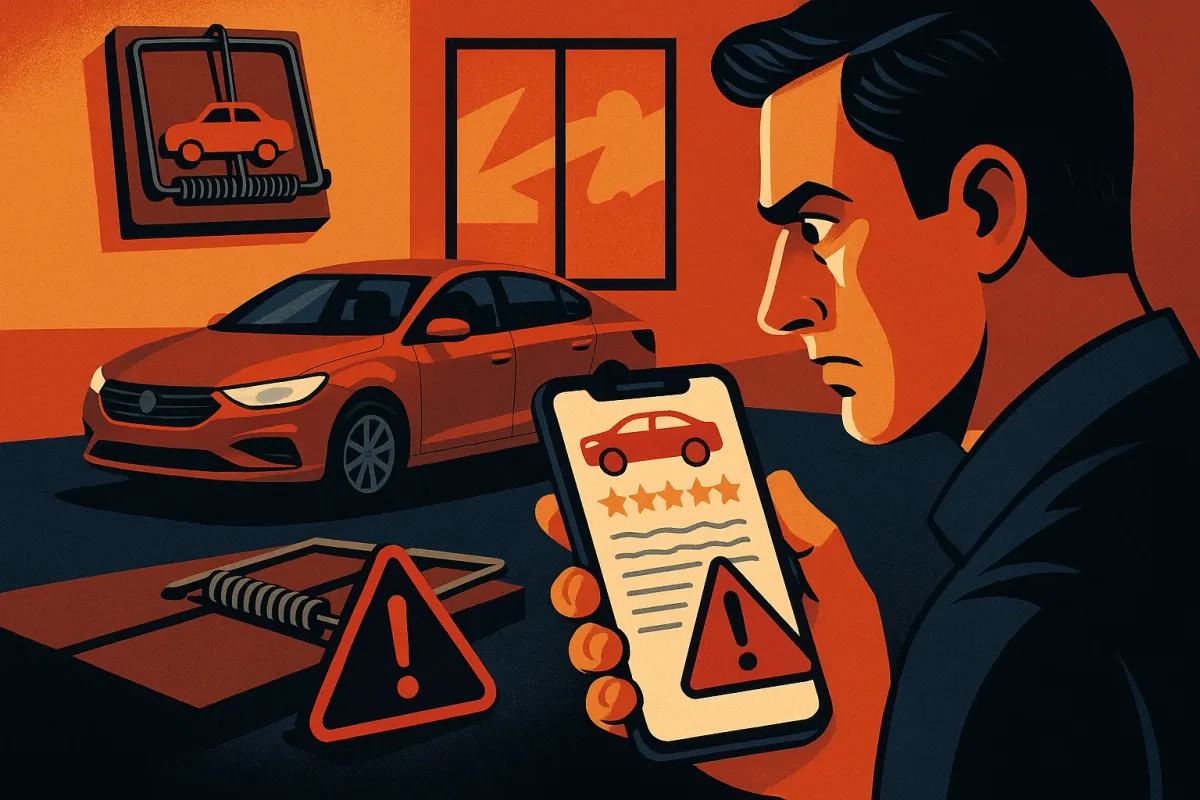
Instead of treating every review like gospel, you can use them as a powerful tool—if you know what to look for and what to ignore. Here are five practical, current-tested ways to read car reviews like an expert and actually get value from them.
1. Separate “Aesthetic Hype” From Real-World Use
Social media has turned cars into lifestyle props—clean dashboards, mood lighting, and cinematic rolling shots. That’s fun, but it can mislead you if you’re trying to decide what to buy or how to upgrade your own vehicle.
When you read or watch a review, focus on these concrete details instead of just the vibe:
- Daily drivability: How does it feel in traffic, on bad roads, in parking lots? Reviewers who only show canyon runs or empty highways are giving you maybe 5% of the story.
- Cabin usability: Are the touchscreens intuitive, or are basic functions buried in menus? Test: if the reviewer has to stop and think about where a setting is, you probably will too.
- Practical storage: Look for comments on real cargo space, not just “the trunk is big.” Can it handle strollers, tools, sports gear, or road-trip luggage?
- Visibility and comfort: Any mentions of blind spots, headroom, seat comfort after 2+ hours? Those matter more than the ambient lighting color.
- Road noise and ride quality: A car that looks premium in photos but drones on the highway will get old fast.
Actionable takeaway:
Whenever you read or watch a review, write down three “vibe” things (looks, sound, cool factor) and three practical things (space, comfort, usability). If you struggle to fill in the practical side, that review is more aesthetic than informative.
2. Use Multiple Reviews Like a “Consensus Check”
Just like customer reviews for gadgets and home decor, a single car review can be an outlier—especially if it’s sponsored, rushed, or based on a short press drive.
To get a realistic picture, use a simple three-step method:
Find at least three different sources
- One detailed written review (magazine, blog, or forum post) - One video review (YouTube, TikTok, or Instagram Reels) - One owner-focused source (Reddit, brand-specific forums, Facebook groups)
Look for repeated themes
- If three sources mention “stiff ride,” it’s probably stiff. - If multiple owners complain about infotainment crashes or transmission hesitation, treat that as a real risk, not random noise.
Note what they disagree on
- Some reviewers hate firm suspensions; others love sporty feel. - Some think “minimalist interior” means modern; others think it means cheap.
Those disagreements show you where personal preference plays a bigger role than pure quality.
Actionable takeaway:
Create a quick note on your phone for each car you’re considering with three columns: “Everyone agrees,” “Owners often say,” and “Mixed opinions.” You’ll instantly see which issues are objective and which are taste-based.
3. Decode Sponsored Content and “Influencer Builds”
The auto world is now full of creators doing branded builds, sponsored reviews, and affiliate-link-heavy “must-buy” lists—just like those trending “budget aesthetic” and gadget upgrade posts in other niches. That’s not automatically bad, but you need to adjust how you read them.
Here’s how to filter the noise:
- Check disclosure: If the car is a long-term loan, a press car, or a sponsored demo, mentally assume the tone will be 10–20% more positive than reality.
- Look for criticism: Honest reviewers will still point out annoyances: cheap plastics, laggy screens, weird pedal feel, or awkward seating positions. If everything is “amazing,” be skeptical.
- Watch for “halo builds”: Slammed suspension, wild wheels, or full audio upgrades make for great content but don’t tell you anything about how the stock car behaves.
- Separate looks from function in mod reviews: A carbon lip or massive wheels might look great on camera but worsen ride quality, rub on full lock, or wreck fuel economy. Look for actual feedback on drivability, not just B-roll.
Actionable takeaway:
Before buying a car or a mod you saw in a sponsored video or post, search for the same car or part plus “problems,” “issues,” or “regrets.” If you immediately get forum threads or owner rants, you’ve found the other side of the story.
4. Focus On Long-Term Ownership, Not Just Test-Drive Impressions
Many headline reviews are based on a few hours or a day with a car. That’s like trying on shoes for 30 seconds and deciding they’re great for hiking. What you really want are clues about what the car feels like after the honeymoon period.
When checking reviews, be on the lookout for:
- Mileage and time owned: Prioritize feedback from people who’ve lived with the car 6+ months or 10,000+ miles.
- Maintenance and reliability stories:
- Are there common minor issues (rattles, warning lights, trim wear)?
- How expensive are routine services, tires, and brakes?
- Fuel or energy reality:
- For gas: real-world MPG in city, highway, and mixed driving.
- For EVs: actual range at highway speeds, in cold weather, and with accessories running.
- Software and update behavior: A rising theme in 2025: over-the-air updates that fix bugs, add features—or occasionally break things. Look for reviewers mentioning feature changes over time.
- Resale and depreciation: Some cars review amazingly at launch but tank in value. Owner forums and used-car market data will reveal if that’s happening.
Actionable takeaway:
When you find a car you like, intentionally search:
- “[car model] 2 years later review”
- “[car model] long term review”
- “[car model] 50,000 miles”
Even two or three honest long-term reviews can tell you more about real ownership than a dozen launch-day videos.
5. Turn Reviews Into a Targeted Test-Drive Checklist
Most people test-drive reactively: they sit down, drive around the block, and just “feel it out.” You’ll get dramatically more value if you walk into the test-drive with a review-informed checklist tailored to that specific model.
Here’s how to build one from the reviews you’ve read:
Note every recurring complaint
Examples: - “Touchscreen is laggy” → Try using nav, media, and settings while parked and driving. - “Seats get uncomfortable after an hour” → Ask for a longer test-drive or at least sit for 15–20 minutes continuously. - “Turning radius is huge” → Try a tight parking lot and a U-turn.
Turn every praise point into a test
- “Great highway stability” → Get it on the freeway, not just city streets. - “Strong acceleration” → Try merging or passing, not just light throttle starts. - “Quiet cabin” → Drive on a rougher road and at 65–75 mph if possible.
Simulate your actual life
- Bring your child seats, stroller, sports gear, or work tools. - Try connecting your phone, using CarPlay/Android Auto, and testing your usual apps. - Fold seats, open hatch/trunk, and check loading height with real items.
Actionable takeaway:
Before visiting the dealer or seller, create a 5–10 point checklist based directly on what reviews mentioned—both good and bad. Treat your test-drive like a mini experiment to confirm or contradict those claims. That’s how you turn scattered online opinions into a decision you’re confident in.
Conclusion
Car reviews are more crowded and stylized than ever, but that doesn’t make them useless—it just means you have to read them strategically.
Shift your focus from aesthetics to usability, cross-check multiple sources, discount heavily polished sponsored hype, prioritize long-term owner experience, and then convert everything you’ve learned into a focused test-drive plan.
Do that, and you won’t just be “watching reviews”—you’ll be using them as a real tool to choose, mod, and enjoy your next car with far fewer surprises and regrets.