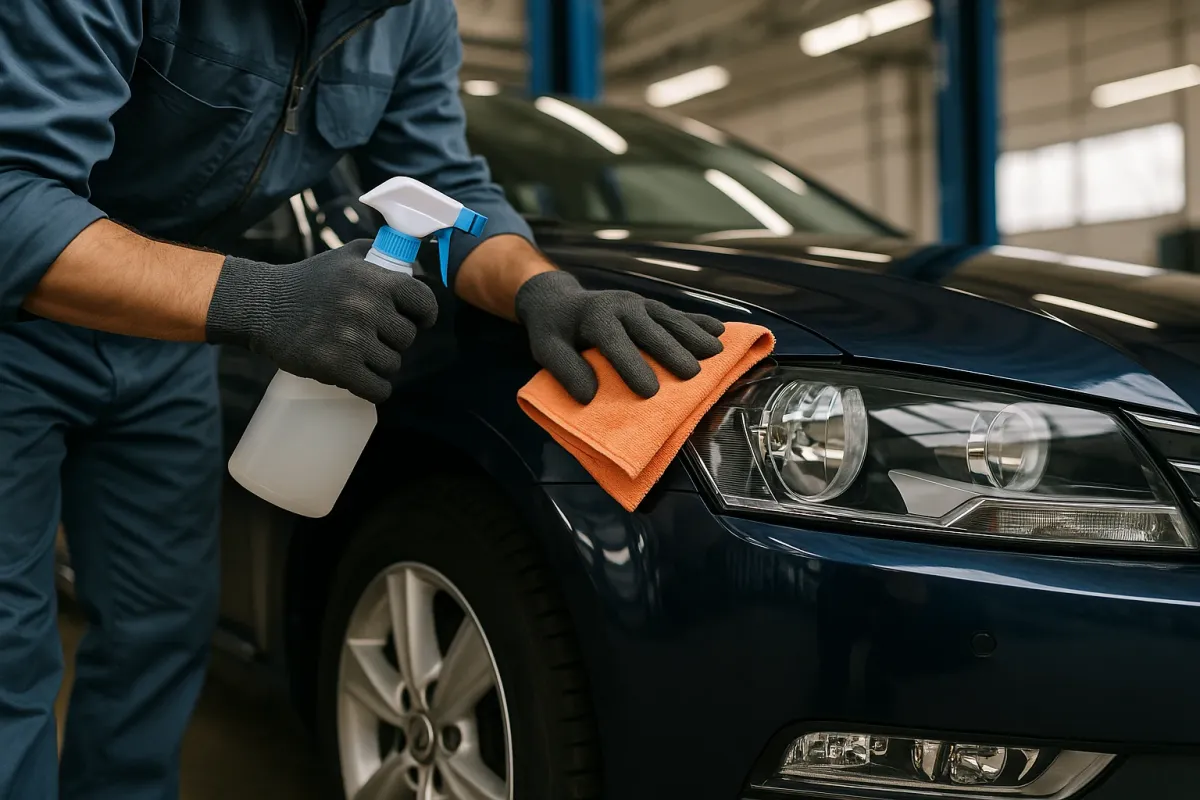
These five habits are simple, but they compound over time. Whether you drive a tuned weekend toy or a high‑mileage commuter, dial these in and your car will repay you in reliability, safety, and resale value.
Build A “Fluids Calendar” Instead Of Relying On The Dash Light
Most drivers only react when a warning light pops up. Enthusiasts know it’s smarter to work from a schedule. Every critical fluid in your car breaks down with time, heat, and contamination, not just mileage. Engine oil, coolant, transmission fluid, brake fluid, power steering fluid, and differential/transfer case oils all have service intervals in your owner’s manual—use those as your baseline. Create a simple spreadsheet or note on your phone where you log date, mileage, and what you changed. Set recurring reminders for time-based intervals (for example, brake fluid every 2 years, coolant every 5 years, even if you drive low miles). When you change oil, get in the habit of doing a 2-minute “fluid walkaround”: pop the hood and eyeball coolant level, brake fluid color, and power steering fluid (if equipped); check for leaks or crusty residue. This rhythm turns maintenance from a surprise expense into a predictable routine.
Treat Your Tires Like Suspension Components, Not Just Rubber
Tires are your only contact patch with the road, yet they’re usually the most neglected “wear item.” Underinflated or unevenly worn tires don’t just cost fuel and grip; they stress suspension components, wheel bearings, and even the steering rack. Start by buying a decent digital tire gauge and checking pressures monthly and before any long trip—adjust when tires are cold, using the placard on the door jamb, not the sidewall max. Rotate your tires at the same time as oil changes or every 5,000–7,500 miles, especially on front‑heavy FWD and AWD cars. Run your hand lightly across the tread to feel for cupping, feathering, or flat spots; these are early signs of alignment or suspension problems long before you notice a pull or vibration. Finally, don’t cheap out on wheel balances—if you feel a shimmy at highway speeds, get them balanced and inspected. Smooth, properly inflated tires dramatically reduce wear on the rest of the car.
Make “Listen, Look, Smell” A Weekly Habit
The most expensive failures usually start as small noises, smells, or visual clues that go ignored. Once a week—ideally during a regular drive—turn off the radio and climate fan for a few minutes and actually listen. Note any new clicks when turning, whines under acceleration, clunks over bumps, or grinding when braking. At home, do a quick walkaround: check for fresh spots under the car, uneven ride height, or a tire that “looks a little low.” Pop the hood and look for swollen hoses, cracked belts, wet areas, or green/white/black crust on fittings. Pay attention to smells: a sweet scent can indicate coolant, a sharp acidic smell could be an overcharging alternator, and a hot, metallic odor might be brakes dragging. Catching these small signals early usually turns a potentially major repair into a minor fix and keeps your car from letting you down on a road trip.
Protect The Underside And Seals, Not Just The Paint
Enthusiasts obsess over paint correction and ceramic coatings, but the real longevity gains happen underneath. If you live where roads are salted or near the ocean, rust is the silent killer; even inland, water and dirt slowly degrade bushings, brake lines, and fasteners. At least twice a year (more in winter), use a pressure washer or coin-op bay to thoroughly rinse the wheel wells, suspension arms, and underbody—especially the seams and subframe areas where grime collects. Avoid blasting directly at rubber boots and seals up close; stand back enough to rinse without forcing water inside. In winter regions, consider an annual rust-protection treatment or DIY application of a lanolin-based or oil-based undercoating on vulnerable seams and brake/fuel line paths. Inside the engine bay, gently clean away heavy dirt and leaves from cowl drains and around the battery; clogged drains can soak wiring and ECUs, and corrosion around the battery can damage both cables and nearby metal. Keeping the “invisible” areas clean can easily add years to the life of the car.
Use Heat Cycles And Drive Style To Keep The Drivetrain Happy
How you drive is maintenance. Hard launches, constant short trips, and abrupt hot shutdowns take a toll that no oil brand can completely offset. When possible, give the engine 30–60 seconds of gentle driving after a cold start before heavy throttle; modern engines don’t need long idling, but they do need oil circulated under light load before you ask for full power. If you own a turbocharged car, avoid full-boost pulls right after startup, and let the car cruise lightly or idle briefly before shutting off after a spirited drive so oil can carry heat away from the turbo bearings. Try to avoid “all short trips”—engines, exhausts, and transmissions like reaching full operating temperature to burn off moisture and fuel dilution; if your life is full of 5‑minute hops, add an occasional longer drive. Smooth inputs—braking earlier, rolling on the throttle instead of jabbing it, and respecting the redline when the engine is still warming—reduce stress on everything from engine mounts to CV joints. Over tens of thousands of miles, this “mechanical sympathy” shows up as fewer failures and a car that still feels tight.
Conclusion
Modern cars can handle neglect surprisingly well—for a while. But the difference between a car that feels tired and one that still feels solid at high mileage isn’t luck; it’s repeatable habits. Schedule your fluids, treat your tires like critical components, pay attention with your senses, protect what you can’t see, and drive in a way that respects heat and wear.
Do those five things consistently, and you won’t just avoid breakdowns—you’ll own a car that feels better, drives safer, and holds its value far longer than anyone expected.