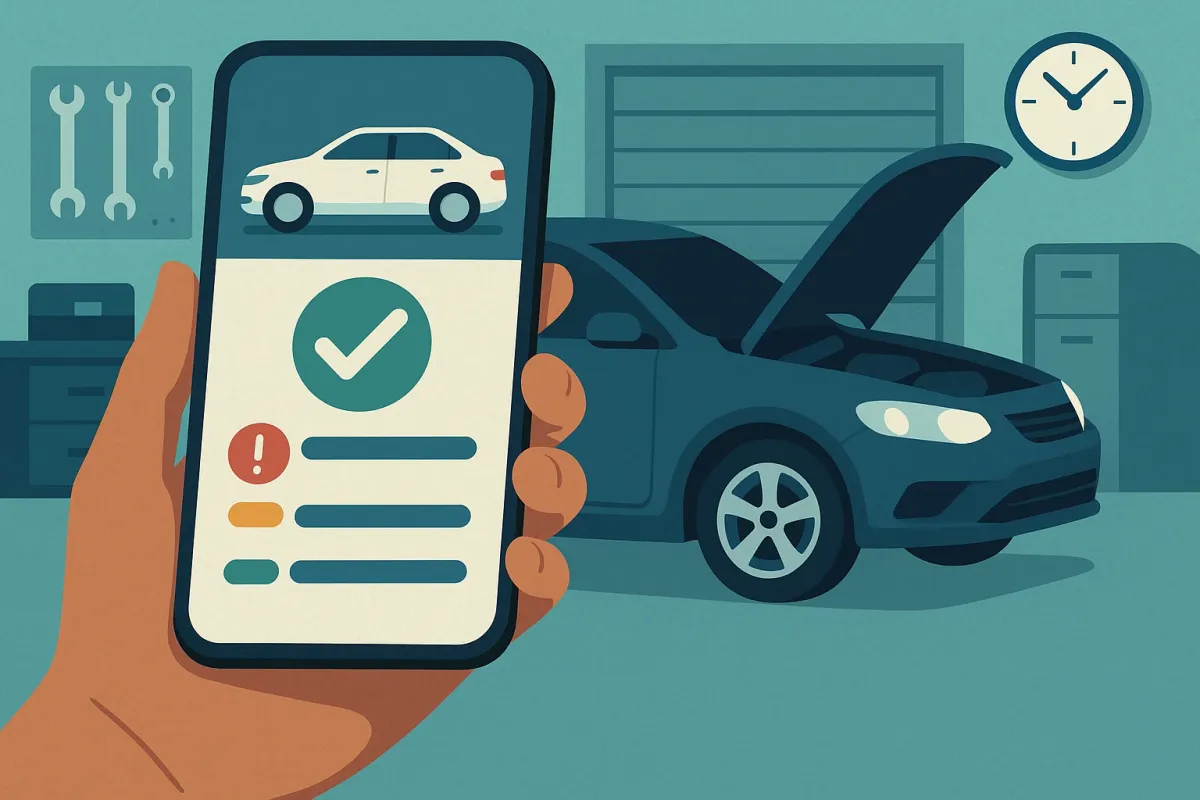
Today’s cars are packed with sensors, apps, and smarter fluids than ever before. Using those tools—plus a basic checklist—can keep your car ready for anything from daily commuting to last-minute road trips.
Below are five actionable, enthusiast-approved ways to maintain your car so problems show up on your radar before they show up on your credit card.
Build a Simple 10-Minute Monthly Inspection (And Actually Do It)
Most major failures start as small, visible issues: a damp shock, a cupped tire, a crusty battery terminal. A quick monthly walkaround catches these early.
Here’s a practical 10-minute routine:
- Tires: Check for uneven wear, bulges, and embedded nails. Use a cheap tread-depth gauge or the penny test; anything close to the wear bars means it’s time to plan a replacement instead of waiting for a blowout.
- Fluids on the ground: Park in the same spot when possible and glance at the ground before you move the car. Clear water is usually A/C condensation; anything colored (green, orange, pink, brown) deserves attention.
- Lights: Once a month, turn on headlights, high beams, hazards, turn signals, and brake lights (use a wall or ask someone to help). This basic check prevents both safety issues and tickets.
- Wipers and windshield: Inspect blades for cracks or streaks and top up washer fluid. Poor visibility is exhausting on long drives and dangerous in bad weather.
- Under-hood “look, don’t touch” scan: With the engine off and cool, look for frayed belts, swollen hoses, crusted coolant residue, oil around valve covers, or corrosion on the battery.
Enthusiasts who do this quick check consistently rarely get “sudden” failures. The car starts to “talk” to you visually long before it breaks down.
Use Your Car’s Apps and OBD Tech Instead of Ignoring the Dash Lights
Modern vehicles are rolling computers, and ignoring the dashboard is like ignoring push alerts from your bank. Use the tech to your advantage.
- Download the manufacturer’s app: Many newer cars (especially from 2018 onward) support an official app that can show maintenance schedules, recall info, tire pressure, oil life, and even remote diagnostic alerts. Take five minutes to set it up and turn on notifications.
- Pair a budget OBD-II Bluetooth scanner with your phone: A $20–$40 dongle and a reputable app (e.g., Car Scanner, Torque, OBDeleven for some brands) let you read error codes when a check-engine light comes on. You don’t need to be a pro; knowing whether it’s a loose gas cap or a misfire helps you decide if it’s “drive home” or “park it now.”
- Track trends, not just events: If you see the same code appear intermittently, or your long-term fuel trim numbers start creeping outside normal ranges, it’s an early hint something is degrading (like a weak O2 sensor or tiny vacuum leak). You can bring that information to a mechanic and save them diagnostic time.
- Respect safety-related warnings: Anything related to brakes, airbags, or overheating is non-negotiable. Don’t clear these codes and keep driving; use the information to get professional help quickly.
Using basic diagnostic tech won’t replace a shop, but it keeps you from being in the dark—and it makes you a much better-informed customer when you do need help.
Treat Fluids Like Wear Parts, Not Afterthoughts
Fluids are the “circulatory system” of your car. Pushing them far beyond their service life is like never changing running shoes and wondering why your knees hurt.
Focus on these essentials:
- Engine oil: Follow time and mileage, not just one or the other. If your car mostly does short city trips, the oil ages faster even at low miles because the engine rarely fully warms up. Consider high-quality synthetic that meets or exceeds your manufacturer’s spec; it often resists breakdown better in modern turbocharged engines.
- Coolant: Modern long-life coolant can go 5+ years, but don’t guess—check your manual. Old coolant loses corrosion protection and can eat away at metal components, leading to head gasket and radiator issues that are exponentially more expensive than a flush.
- Transmission fluid: “Lifetime fill” is marketing, not engineering. For many automatics, a conservative 40–60k-mile fluid change interval drastically improves shift quality and longevity. Use OEM or OEM-approved fluid; transmissions are picky.
- Brake fluid: Hygroscopic brake fluid slowly absorbs moisture and lowers the system’s boiling point. A flush every 2–3 years keeps pedal feel consistent and prevents corrosion in lines and calipers.
- Power steering and differential fluids (if applicable): Often forgotten, but they live hard lives under load and heat. Check your owner’s manual or service manual and pencil them into your long-term plan.
Treating fluids like scheduled wear items rather than “someday” chores spreads costs out and keeps major components happy for the long haul.
Make Tires, Alignment, and Balance Part of Your Performance Plan
For both safety and performance, tires matter as much as horsepower. Modern touring and performance tires are far better than they were even a decade ago, but only if they’re maintained.
Build these habits:
- Set pressures monthly—cold, not after driving. Use the door jamb sticker, not the sidewall max PSI. Underinflated tires wear faster and kill fuel economy; overinflated ones reduce grip and ride comfort.
- Rotate tires regularly (typically every 5,000–7,500 miles). This keeps wear even and extends the set’s life. Combine rotations with oil changes so you don’t forget.
- Get an alignment when you notice pull or uneven wear. Pulling, off-center steering wheels, or shoulder wear are all signs alignment is off. A simple alignment now can prevent prematurely trashing a full set of tires.
- Insist on proper wheel balancing. If you get vibrations at highway speeds, have the balance checked. On modern cars, especially EVs and heavy SUVs, slight imbalances can feel worse and accelerate suspension wear.
- Choose tires for your climate, not Instagram. Ultra-low-profile performance tires might look great, but if you deal with potholes, snow, or heavy rain, all-seasons or dedicated winter tires will serve you better, last longer, and keep your car genuinely “auto ready.”
When tires, alignment, and balance are in sync, the whole car feels tighter, quieter, and more confidence-inspiring—even without any power mods.
Turn Maintenance Records Into a “Car Profile” That Raises Resale Value
Most owners underestimate how much a clean, documented maintenance history can add to a car’s real-world value, especially as used-car buyers get more cautious and online listings show more data.
Set up a simple “car profile”:
- Log every service, even DIY. Date, mileage, what you did, and which parts/fluids you used. A basic spreadsheet or a maintenance app works fine. Snap photos of receipts and attach them.
- Note patterns and recommendations. If a mechanic mentions “front pads at 40%” or “slight seep at valve cover,” record it. You’ll know what to budget for and when to recheck.
- Keep a digital and physical folder. Glovebox folder for on-the-go, cloud folder (Google Drive, Dropbox, etc.) so you can instantly share proof of maintenance when selling or trading in.
- Include recalls and TSBs. When a dealer performs recall work or software updates, add that to your records. It shows future buyers the car has been kept current with factory fixes.
- Highlight major preventative work. Timing belt/water pump jobs, transmission services, and suspension refreshes are huge green flags for savvy buyers. Make them easy to see.
Enthusiasts know that a clean record is the difference between “just another used car” and “this is the one.” You’ll enjoy a more reliable car now, and your future self will thank you when it’s time to sell.
Conclusion
Smart maintenance isn’t about doing everything; it’s about doing the right things consistently. A 10-minute monthly inspection, using your car’s tech, respecting fluids, prioritizing tires and alignment, and keeping a clear service history will prevent most “mystery repairs” and keep your car genuinely road-ready.
Implement even two or three of these habits this month and you’ll feel the difference in how your car drives—and in how much control you have over what you spend to keep it that way.