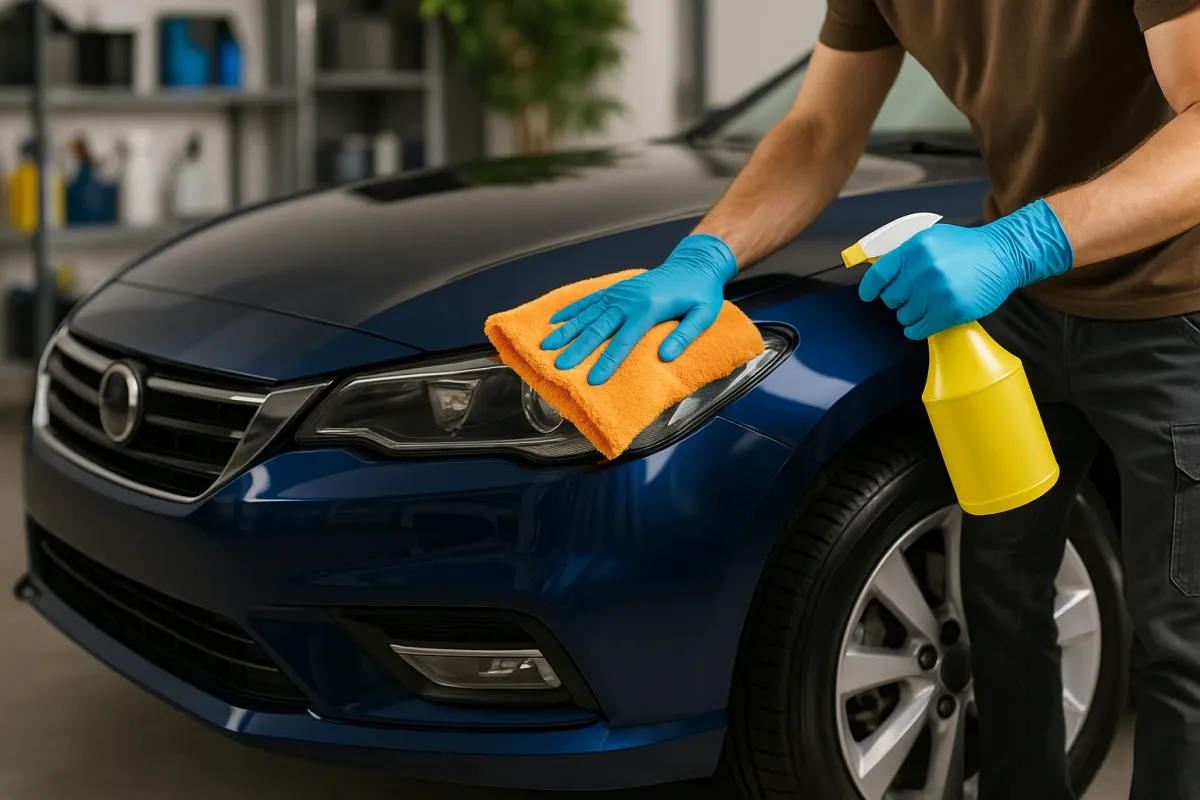
Think of this as your car’s version of the 1-3-5 rule trending in home styling: 1 monthly habit, 3 quarterly checks, and 5 minutes every week. These five practical steps lean into current tech and tools (OBD scanners, tire-pressure sensors, better fluids) so you can spend less at the shop, avoid surprise breakdowns, and keep your car “Auto Ready” every day.
Build A “Micro-Maintenance” Routine Instead Of Waiting For Big Repairs
Big, expensive jobs usually start as tiny problems that were easy to ignore. Instead of treating maintenance as a once-a-year event, break it into tiny, regular habits that take under 10 minutes each.
Once a week, do a 5-minute walkaround: check for new leaks under the car, uneven tire wear, low tires, and unusual smells. Once a month, pop the hood and check fluid levels (oil, coolant, brake fluid, washer fluid) and look for loose hoses or corrosion on the battery terminals. Set digital reminders on your phone tied to your odometer instead of dates—for example, “at +1,000 miles, check oil level and tire pressures.” By turning maintenance into quick touchpoints instead of emergency fixes, you’ll spot issues like slow oil consumption, small coolant leaks, or worn tires before they become tow-truck moments.
Make Your Tires Work Smarter For You With Better Pressure And Rotation Habits
In the same way that a few smart decor swaps can change an entire room, a bit of attention to your tires can transform how your car feels and how much fuel it burns. Modern cars may show a warning when pressure is very low, but that’s a last-resort alert—not a tuning tool.
Use a decent digital tire gauge and check your pressures at least once a month and before road trips, aiming for the PSI on the driver’s door jamb, not the number on the tire sidewall. Adjust pressures when the tires are “cold” (before driving or after the car has been parked for several hours). If your car doesn’t have a real-time TPMS readout, consider an aftermarket Bluetooth tire-pressure monitor set—you’ll get live readings on your phone and alerts before things get dangerous. Rotate your tires every 5,000–7,500 miles (or at every oil change) to keep wear even; this keeps your handling sharp, reduces noise, and can easily add thousands of miles of life to a set of tires.
Use Modern Fluids And Filters To Quiet, Smooth, And Protect Your Engine
Just like swapping a few key decor pieces can make a space look more premium, upgrading what flows through your engine can make it feel smoother and more refined. Newer formulations of engine oil, transmission fluid, and fuel system cleaners are designed to handle stop-and-go traffic, turbocharged engines, and longer service intervals.
Always use oil that meets the exact spec in your owner’s manual (not just the viscosity), and don’t blindly trust “extended interval” marketing if you do a lot of short trips—those are harder on oil than highway miles. Consider high-quality synthetic oil even if your car doesn’t strictly require it; it often handles heat and cold better, especially in turbocharged or direct-injection engines. Replace the engine air filter and cabin filter on schedule (or sooner if you drive in dusty or urban environments). For GDI (gasoline direct injection) engines, using a quality fuel from a Top Tier brand and an occasional fuel-system cleaner approved for your car can help prevent carbon buildup that leads to rough idle and poor performance.
Turn Your Check Engine Light Into Data, Not Panic, With A Simple OBD Tool
The “behind the scenes” stories from cruise ship workers are trending because people love seeing what’s really going on. You can do something similar with your car using a cheap OBD-II scanner or Bluetooth dongle paired with an app. That gives you a peek into what your car’s computer is actually seeing—before you’re stuck at the dealer hoping for the best.
When a check engine light comes on, plug in your scanner and note the code (like P0301 or P0420) and freeze-frame data. You don’t have to fix it yourself, but knowing whether it’s a loose gas cap or a misfire helps you decide how urgently you need a shop. Some apps will track live data—coolant temps, fuel trims, battery voltage—so you can spot weak batteries, overheating trends, or fuel-delivery issues early. Save screenshots of codes and data; when you go to a mechanic, you’ll have a mini “medical history” for your car that can speed up diagnosis and help you avoid unnecessary parts-swapping.
Keep Your Brakes, Lights, And Visibility In “Always Road-Trip Ready” Condition
Think of this as the car equivalent of making sure your living room is always guest-ready: a state of constant baseline readiness. The most important parts of that are the systems that help you see and stop—brakes, lights, and glass.
Every few weeks, test all exterior lights: headlights (low and high beam), brake lights, turn signals, reverse lights, and fog lights. Replace bulbs in pairs so brightness stays consistent; if your car supports it, consider quality LED replacements that improve visibility without blinding others. Inspect your wiper blades and windshield for damage—if they chatter, streak, or skip, swap them out and top off with a good winter-rated washer fluid if you live in a cold climate. For brakes, listen for squealing, grinding, or pulsing in the pedal, and pay attention to any increase in stopping distance. During wheel or tire service, ask the shop to measure pad and rotor thickness and show you the numbers; tracking wear over time helps you plan brake jobs before they become dangerous or damage rotors beyond machining.
Conclusion
Maintenance doesn’t have to feel like a surprise bill waiting to happen. By shifting to micro-habits, using modern tools like Bluetooth TPMS and OBD scanners, and upgrading key consumables like fluids, filters, and bulbs, you turn car care into a series of small, controlled upgrades—more “glow-up” than “emergency.”
Set a few reminders, build a quick weekly routine, and treat your car like a system you manage, not a mystery you react to. The payoff is a ride that feels tighter, safer, and more enjoyable every time you turn the key—and a lot fewer “Isn’t my problem?” moments when something goes wrong.