This guide focuses on practical, real-world buying choices that directly affect what you’ll pay to own, maintain, insure, and eventually sell your car. These are the kinds of habits that help enthusiasts enjoy their cars without letting costs get out of control.
Look Past the Price Tag to the True Cost of Ownership
The sticker price is only the opening number. What really matters is what the car costs you month after month and mile after mile.
Start by looking up estimated ownership costs: fuel, insurance, maintenance, repairs, and depreciation. A car that’s $3,000 cheaper up front can easily cost more over five years if it gets poor fuel economy, eats through tires, or has high repair costs. Many automakers and independent sites publish average maintenance schedules and part prices—use those to spot models with affordable, widely available components.
Pay special attention to fuel requirements and tire sizes. Premium-only fuel or oversized performance tires can quietly add hundreds per year. For used cars, check common failure points and average repair costs for that exact model and engine. Enthusiast favorites can be great buys if you plan for their known weak spots rather than discovering them the hard way.
Make a simple spreadsheet comparing two or three models you’re considering: payment, insurance estimate, fuel cost at your actual commute distance, and a rough maintenance budget. The “cheaper” car often reveals itself to be more expensive once everything is lined up side by side.
Match the Engine and Options to How You Actually Drive
It’s easy to get pulled toward the most powerful engine or fullest trim, especially if you’re into cars. But the best buy is usually the configuration that matches your real-world use, not your once-a-year fantasy road trip.
Start with your daily driving pattern: city traffic, highway commuting, mixed suburbs, or mostly short hops. Turbocharged engines can feel great but may wear faster under constant stop-and-go, and real-world mileage often lags behind the window sticker. Naturally aspirated engines with simpler designs are often cheaper to maintain long-term and more forgiving if maintenance is delayed.
Similarly, think carefully about all-wheel drive (AWD) versus front- or rear-wheel drive. If you live in a region with mild winters and good road maintenance, a front-wheel-drive car with quality all-season or winter tires may give you all the traction you need for less weight, lower fuel use, and fewer components to service. AWD is valuable in snow-heavy or rural areas—but it brings extra differentials, driveshafts, and sometimes higher repair bills.
For options, focus on features that either improve safety or prevent expensive wear: advanced driver assistance systems (ADAS) that are well-reviewed and widely used, heated seats if you live in a cold climate (they reduce the need for blasting the heater), and factory tow packages if you’ll haul regularly (better cooling and brakes). Skip in-dash tech that will age quickly if smartphone integration already covers your needs.
Use Pre-Purchase Inspections as Leverage, Not Just Insurance
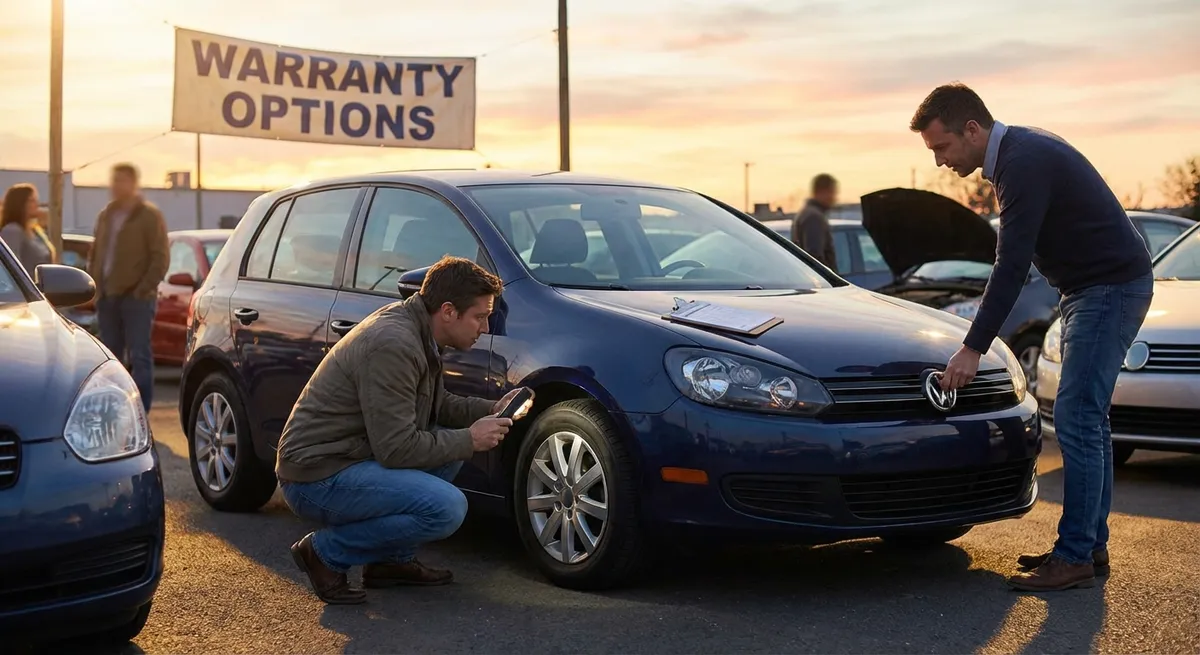
On used cars especially, a pre-purchase inspection (PPI) is one of the highest-value moves you can make. It doesn’t just protect you from a bad car—it gives you neutral, mechanical data to negotiate with.
Look for an independent shop or brand specialist with a solid reputation, ideally one that works on that make and model frequently. Tell the seller up front that a sale depends on a clean inspection and that you’re paying for it. A reputable seller will often welcome it; hesitation is a red flag.
Ask the mechanic for three things: a list of urgent issues, upcoming maintenance based on mileage (timing belt, transmission service, brakes), and any signs of prior collision or flood damage. Turn that inspection into a short cost summary: what needs doing now, what will need doing soon, and what looks solid.
Use that report to make a precise counteroffer instead of a vague “too expensive.” For example: “The inspection shows $1,200 in immediate maintenance and another $800 within a year. I’m willing to move forward at [your offer] to cover those known costs.” You may not get every dollar, but you’ll be negotiating from specifics rather than feelings.
Even if you’re buying newer used cars with factory warranties remaining, a PPI can uncover incorrect repairs, minor accidents, or hidden modifications that might affect future reliability or warranty coverage.
Time Your Financing to Your Ownership Plan
How you finance the car should match how long you realistically plan to keep it. The mistake many buyers make is stretching the loan to “fit the payment” without thinking about total interest or future flexibility.
If you tend to keep vehicles for a long time (8–10 years), a moderate-length loan (48–60 months) at a strong rate can make sense. You’ll likely be driving a paid-off car for several years, which gives you budget room for maintenance and upgrades.
If you like to change cars more often (every 3–5 years), prioritize a loan that doesn’t outlive your interest in the vehicle. Very long terms (72–84 months) often leave you “upside down” (owing more than the car is worth), making it harder to sell or trade without bringing cash to the table. A shorter term with a slightly higher payment but less total interest can leave you in a better equity position when you’re ready to move on.
Always secure pre-approval from your bank or credit union before visiting a dealer. That gives you a baseline interest rate and maximum amount. At the dealership, treat their financing offer as a separate product you’re comparing—not a default. Ask for the out-the-door price of the car first, then compare financing options. And consider whether gap coverage is sensible based on your down payment and the model’s depreciation curve; for fast-depreciating vehicles with low money down, it can prevent a financial hit if the car is totaled early in the loan.
Plan Your Exit Strategy Before You Sign
Smart buying includes thinking about how you’ll eventually get out of the car—through selling, trading, or driving it into the ground. The choices you make now can make that future move much easier and more profitable.
First, avoid heavy personalization that narrows your future buyer pool. Tasteful wheels, factory-style upgrades, and reversible modifications are fine; extreme wraps, loud exhausts, and non-standard interiors can turn off buyers and sometimes void parts of factory coverage. Keep all original parts you swap out—that stock exhaust or intake can make a sale smoother and sometimes adds value.
Second, keep documentation from day one. Save digital or paper records of every oil change, service, and repair. A complete folder or PDF trail from reputable shops can substantially boost buyer confidence and resale value. For enthusiasts’ cars especially, documented maintenance is often worth more than a slightly lower odometer reading.
Third, choose colors and configurations with an eye to broad appeal, unless you plan to keep the car for its entire life. Neutral colors and popular trims usually move faster and hold value better. If the car has a strong enthusiast following, research which combinations are most sought-after—that can tip the scales when you’re comparing two similar cars today.
Finally, consider your local market. Some models and powertrains hold value better in certain regions (AWD crossovers in snow states, trucks in rural areas, EVs where charging is well established). Buying what your local future buyer will want can shorten your selling timeline and help you command a better price.
Conclusion
Thoughtful car buying isn’t just about getting a fair price on the day you sign—it’s about shaping years of ownership costs, flexibility, and enjoyment. When you look beyond the sticker to total ownership, match the car to your real driving, rely on independent inspections, align financing with your habits, and plan your eventual exit, you set yourself up for a car that fits both your life and your budget.
Enthusiasts don’t have to overspend to enjoy great machines. A bit of planning up front lets you put more of your money into the parts of ownership that actually matter: safe miles, satisfying drives, and fewer financial surprises along the way.
Sources
- Consumer Reports – True Cost of Car Ownership - Explains how to factor in insurance, fuel, maintenance, and depreciation when choosing a vehicle
- U.S. Department of Energy – Fuel Economy Guide - Official fuel economy data and operating cost estimates for specific makes and models
- National Highway Traffic Safety Administration (NHTSA) - Provides safety ratings and crash-test information to evaluate models before purchase
- Federal Trade Commission – Buying a Used Car - Covers pre-purchase inspections, dealer practices, and key protections for used-car shoppers
- Edmunds – How to Negotiate a Car Price - Practical guidance on negotiating vehicle prices and using offers and inspections as leverage