Turn Your Real Driving Life into Clear Requirements
Before you look at a single ad, translate your actual routines into concrete car requirements. Start with your weekly mileage, commute conditions (stop‑and‑go traffic vs. highway), and typical passengers and cargo. Someone doing 80% urban driving with tight parking may prioritize a smaller footprint, good visibility, and a smooth automatic over high horsepower.
Think through your environment too: harsh winters raise the value of all‑wheel drive, heated seats, and good ground clearance; hot climates make strong A/C and heat‑resistant interiors more important. If you tow, don’t just guess what you need—look up your trailer or boat’s weight and add a safety margin. Convert “I want something fun” into specifics like “responsive steering, low body roll, and supportive seats” so you can look for trims and suspension setups that match.
Write these requirement categories down: size, drivetrain, must‑have safety features, comfort priorities, tech essentials, and “nice to haves.” That list becomes your filter. When a car interests you, measure it against those requirements instead of being pulled around by colors, wheels, or “deal of the day” hype.
Actionable Point 1:
Create a written “needs vs. wants” sheet with 3–5 must‑haves (e.g., automatic emergency braking, enough rear legroom for kids, compatible with your garage) and 5–10 nice‑to‑haves. Only consider cars that tick every must‑have box.
Decode Total Cost of Ownership Before You Fall in Love
Sticker price is the loudest number, but it usually isn’t the most important one. Two cars with the same purchase price can cost you very different amounts over five years once you add fuel, insurance, taxes, maintenance, repairs, and depreciation. Ignoring this is how a “good deal” becomes a budget strain 18 months later.
Start with fuel: check EPA economy ratings if you’re in the U.S. and compare them to your driving mix (city vs. highway). A few mpg difference adds up quickly at today’s fuel prices. Look at expected insurance costs by getting actual quotes for the specific model, year, and trim—sports models, high theft‑rate vehicles, and luxury brands can be surprisingly expensive to insure. Research reliability using trusted sources and see if there are known trouble spots that lead to expensive repairs out of warranty.
Depreciation matters if you think you’ll replace the car within 3–7 years. Some brands and models retain value much better than others; a slightly higher initial price can be cheaper long‑term if resale is strong. Build a simple 5‑year cost estimate: purchase price (minus estimated resale value) plus fuel, insurance, routine maintenance, and an allowance for repairs. That total will tell you more than any monthly payment quote.
Actionable Point 2:
Before visiting a seller, run a quick 5‑year cost estimate for your top 3 candidates: fuel (based on your mileage), insurance quotes, average maintenance, and expected depreciation. Eliminate cars that blow past your realistic monthly budget when all these are combined.
Use Market Data to Set Your Target Price, Not Theirs
Car prices are more transparent than ever if you’re willing to do a bit of homework. Instead of treating the window sticker or online listing as a starting point for blind negotiation, use market data to define what a fair price looks like for the exact car you want. That means narrowing by year, trim level, mileage, options, region, and condition.
Look up recent sale prices, not just asking prices. Many listing platforms show price histories or “market value” ranges based on similar vehicles. Note patterns: how long cars like yours sit on the market, which trims are discounted more heavily, and which colors or packages command a premium. If you’re buying new, look up invoice pricing and any current manufacturer incentives or rebates that apply in your area.
Bring this data with you, ideally as printouts or saved screenshots. When a salesperson or private seller quotes a number, you can respond with, “I’ve seen comparable cars at X to Y; this is where I’m comfortable.” That moves the conversation from emotion and urgency to facts. It also helps you recognize genuinely good offers quickly so you can act before someone else buys the car.
Actionable Point 3:
Collect 8–12 comparable listings (same model, similar year, mileage, trim) and calculate the realistic market range. Set a clear “walk‑away” maximum price before you negotiate, and stick to it no matter how the conversation goes.
Separate the Car Decision from the Financing Decision
Bundling the car and loan decision into one conversation is convenient for the seller, not for you. The structure of your financing—interest rate, loan length, and down payment—can change the total cost by thousands of dollars, even if the car price itself looks fair. Long loan terms in particular can trap you in a situation where you still owe more than the car is worth years down the road.
Before stepping into a dealership, get preapproved offers from banks, credit unions, or reputable online lenders. With a preapproval in hand, you know your real budget and can compare any dealer‑arranged offer against a baseline. A lower monthly payment doesn’t automatically mean a better deal; it might just stretch the term. Focus on total interest paid and loan length. Aim to keep terms reasonable—often 36–60 months, depending on your budget and the car’s age.
When you’re at the table, talk about the car price first and firmly. Only after that’s agreed should you discuss financing, trade‑ins, or extras. This prevents the seller from moving numbers around behind the scenes—lowering the price but raising your rate or extending the term to make the monthly payment look pretty while increasing total cost.
Actionable Point 4:
Arrange preapproved financing before you shop. At the dealership, negotiate the out‑the‑door price (including all fees and taxes) separately before discussing monthly payments or add‑ons. Compare any dealer financing offer directly to your preapproval in terms of total interest and loan length.
Make the Test Drive a Stress Test, Not a Joyride
A test drive is more than a quick loop around smooth roads with the radio on. Treat it as a stress test that simulates your actual driving and surfaces issues you’ll live with daily. Start before you even move the car: check seat adjustment range, steering wheel reach, visibility in all directions, and how intuitive the basic controls feel. If you’re taller or shorter than average, confirm you can get a comfortable, safe position without compromise.
On the road, ask to drive in conditions that mirror your routine: low‑speed streets, highway speeds, and if possible, a rough section of road. Pay attention to wind and road noise, transmission behavior, throttle response, and how the suspension deals with bumps and curves. Test braking performance with a few firm stops in a safe, straight section. Turn off the stereo and climate noise for a bit so you can listen for rattles, clunks, or whines.
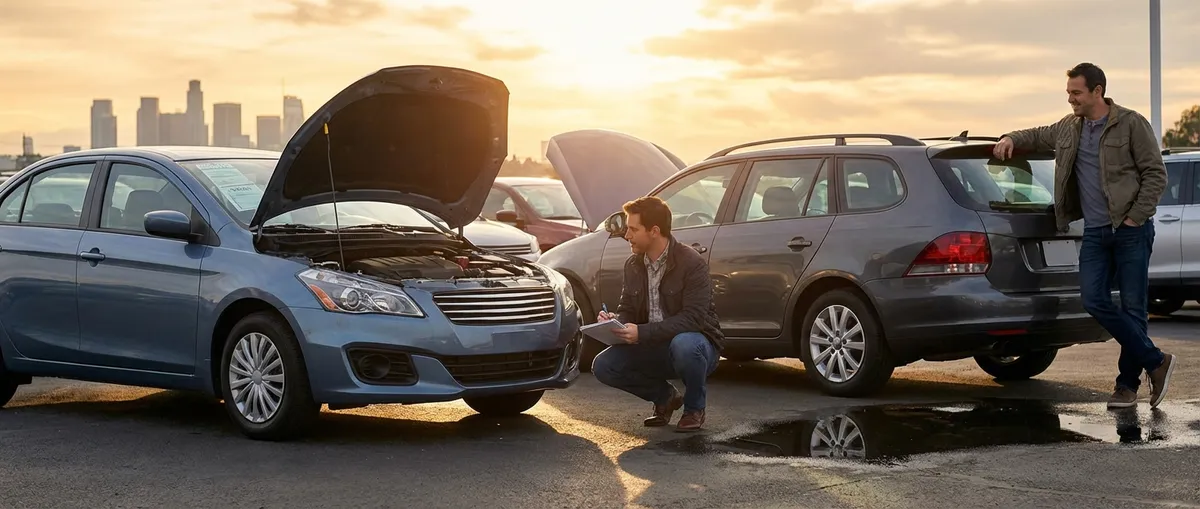
If it’s a used car, inspect more closely: cold start behavior, dash warning lights, tire wear patterns, and how the car behaves after 15–20 minutes when fully warmed up. Don’t rush—if the seller seems impatient about a thorough test, that’s a red flag. Take notes right after the drive while impressions are fresh, especially if you plan to test multiple cars.
Actionable Point 5:
Design a 20–30 minute test‑drive route that includes city traffic, a highway section, and some imperfect pavement. Drive it with each serious candidate, with the radio off for part of the time, and write down at least five observations for comparison afterward.
Conclusion
Smart car buying isn’t about memorizing tricks; it’s about structuring your decisions around your real life, real costs, real market data, and real driving impressions. When you define your needs, calculate total cost of ownership, anchor yourself with market pricing, separate financing from the car decision, and treat the test drive as a serious evaluation, you take back control of the process. The result isn’t just saving money—it’s ending up with a car that genuinely fits how you drive, what you value, and where you’re headed over the next several years.
Sources
- [U.S. Department of Energy – Fuel Economy Guide](https://www.fueleconomy.gov/feg/findacar.shtml) - Official EPA fuel economy ratings and cost estimates to help compare long‑term fuel expenses between models
- [Consumer Reports – Car Reliability & Owner Satisfaction](https://www.consumerreports.org/cars-car-reliability-owner-satisfaction/) - Data‑driven reliability ratings and ownership insights across brands and models
- [Insurance Information Institute – Factors That Affect Your Auto Insurance Premium](https://www.iii.org/article/what-determines-the-price-of-my-auto-insurance-policy) - Explains how vehicle choice influences insurance costs
- [Federal Trade Commission – Buying a New or Used Car](https://consumer.ftc.gov/articles/buying-new-car) - Government guidance on car buying, financing, and dealing with dealers
- [Kelley Blue Book – What Is My Car Worth?](https://www.kbb.com/whats-my-car-worth/) - Market value estimates and pricing data for new and used vehicles