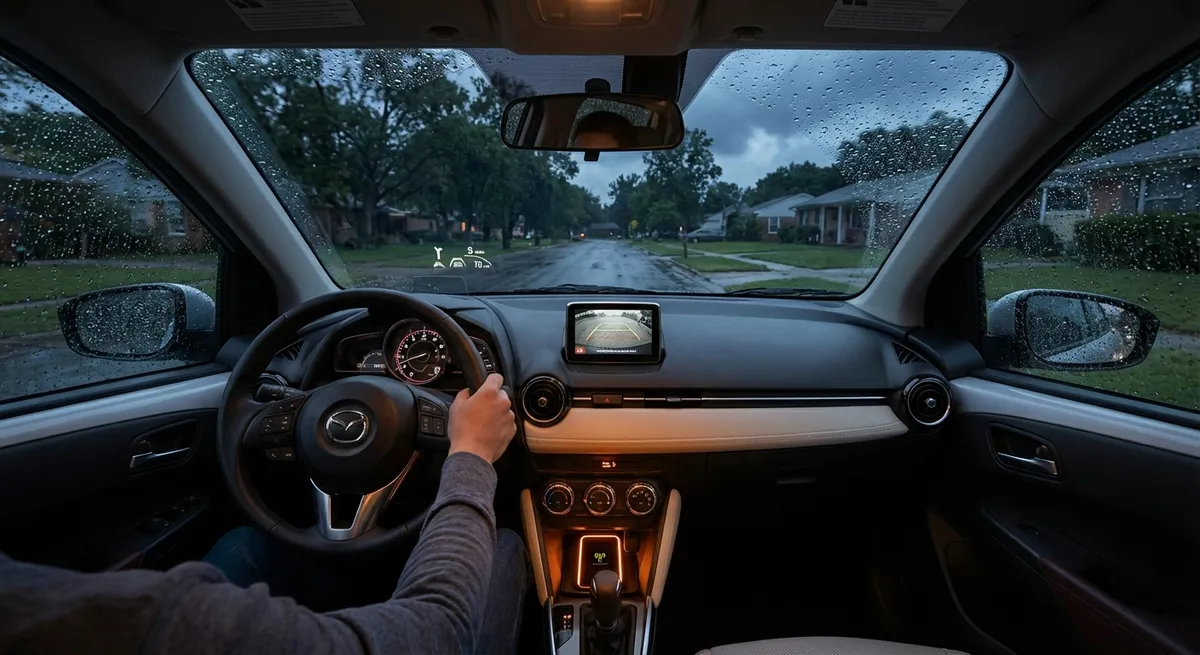
Below are five actionable tech upgrades that car owners can add (or better configure) to get more value out of the car they already have.
Smarter Phone Integration: Make Your Dash Work Like a Home Screen
For most drivers, the phone is already the real “infotainment system.” The key is to integrate it safely and cleanly.
First, if your car doesn’t have Apple CarPlay or Android Auto, consider an aftermarket head unit that supports both. Well‑known brands like Pioneer, Kenwood, and Sony sell units that fit many vehicles and add a clean touchscreen interface for navigation, calls, music, and messaging. Installation can often be done by a competent DIYer with a wiring harness adapter, but professional installation is worth it if your car has steering‑wheel controls or a factory amp.
If a full head unit swap isn’t in the budget, a high‑quality phone mount paired with a dual‑USB or USB‑C fast charger is the minimum baseline. Position the mount so you can see turn‑by‑turn directions with minimal eye movement; avoiding windshield obstructions can also keep you legal in regions with strict mounting laws.
Once wired in, set up driving‑focused apps: a maps app with offline maps downloaded, a music or podcast service with playlists cached, and a voice assistant (Siri, Google Assistant, Alexa Auto) configured to handle basic tasks hands‑free. Take 10 minutes to customize “Do Not Disturb While Driving” features so notifications are filtered, reducing distraction while preserving important calls.
Actionable point:
Commit to one clean solution—either a proper CarPlay/Android Auto head unit or a stable mount plus hard‑wired charger—and set up your core apps before you leave the driveway, not while you’re already rolling.
Backup Cameras and Parking Tech: Retrofitting Modern Awareness
Rearview cameras have been federally required on new light vehicles in the U.S. since 2018, but many reliable used cars on the road today predate that rule. Adding a camera to an older vehicle is one of the highest‑value safety upgrades you can make.
Aftermarket kits generally fall into two categories: license‑plate‑frame cameras and low‑profile cameras that mount near the trunk handle or bumper. They can feed video into a compatible head unit, a stand‑alone screen, or a rearview mirror with an integrated display. Wireless kits avoid running a long video cable but still require connecting power at the tail light harness.
If you frequently park in tight city spaces or crowded lots, consider pairing a camera with ultrasonic parking sensors or a rear cross‑traffic alert add‑on. Some systems overlay distance guidelines or issue audible alerts as you approach an obstacle. Professional installation is recommended for drilling bumper holes and routing wiring cleanly.
Actionable point:
Install a backup camera (and, if budget allows, basic parking sensors) on any car that doesn’t have one, then spend a week consciously checking both mirrors and camera—don’t let the tech replace good habits; let it back them up.
Dash Cams: Cheap Insurance for Your Side of the Story
A dash cam doesn’t prevent accidents, but it can drastically reduce the stress of what happens afterward. Today’s cameras are compact, affordable, and often include wide‑angle lenses, night vision, and even driver‑assistance alerts.
Focus on models that offer loop recording, a G‑sensor (to automatically save clips when a shock is detected), and high‑resolution video (at least 1080p; 1440p or 4K is better for reading plates). Dual‑channel systems record both front and rear, which is useful if you’re often in heavy traffic or park on the street.
Hardwiring the dash cam to an “ignition on” fuse keeps cables tidy and ensures the camera is always recording when the engine is running. Some hardwire kits add a low‑voltage cutoff and “parking mode” so the camera can capture hits or break‑ins while the car is off without draining the battery excessively.
Actionable point:
Install and test a dash cam, then practice quickly exporting a clip to your phone or laptop. When you actually need footage after an incident, you won’t be fumbling through menus for the first time at the worst possible moment.
Tire Pressure and Monitoring: Bringing OEM‑Level Awareness to Older Cars
Correct tire pressure quietly affects almost everything: braking distance, fuel economy, ride comfort, and tread life. Newer vehicles have built‑in TPMS (tire pressure monitoring systems), but older cars may just flash a generic warning—or have nothing at all.
Aftermarket TPMS kits use either valve‑stem sensors or small caps that replace your current valve caps, transmitting live pressure and temperature readings to a small receiver or phone app. This lets you spot slow leaks days before you’d feel them behind the wheel. If you have seasonal wheels and tires, choose a system that makes swapping sets easy.
Pair TPMS with a compact 12V or battery‑powered inflator stored in the trunk. Modern portable compressors can top up a low tire in a few minutes and often include automatic shutoff at a preset PSI. Keep a simple pencil gauge or a digital gauge as a backup to verify readings.
Actionable point:
Add an aftermarket TPMS to any car without a live readout, and set a calendar reminder once a month to cross‑check pressures with a manual gauge and top up using your own inflator instead of waiting for a low‑tire scare.
Lighting and Visibility: Seeing (and Being Seen) in Real‑World Conditions
Factory lighting on many cars was designed before today’s traffic density and nighttime speeds. Carefully chosen lighting upgrades can dramatically improve visibility without blinding other drivers.
If your vehicle still runs old halogen bulbs, consider higher‑quality halogens first before jumping straight to LED conversions. Premium halogens from reputable brands can improve brightness and beam uniformity without regulatory or glare concerns. If you do opt for LED retrofit bulbs, choose DOT‑compliant products that match the original bulb’s focal point, and aim the headlights properly using your owner’s manual or service guide.
Beyond headlights, upgrading worn wiper blades and adding a quality glass cleaner or hydrophobic windshield treatment can significantly improve visibility in rain at highway speeds. Inside the cabin, swapping dim dome lights for warm‑white LED bulbs makes it easier to find dropped items without drawing excessive attention.
Actionable point:
Refresh your visibility package: replace headlight bulbs with higher‑quality units, install new wiper blades, and clean/apply a rain‑shedding treatment to your windshield—then test the difference on a familiar nighttime route.
Conclusion
Modern auto tech doesn’t have to mean buying a brand‑new, fully loaded car. By focusing on practical upgrades—phone integration, backup cameras, dash cams, tire monitoring, and visibility improvements—you can quietly transform how your existing car feels every day. Each of these upgrades is accessible, relatively affordable, and delivers benefits you’ll notice in real traffic, on real roads, in real weather.
Pick one area that bothers you most—parking stress, night driving, or constant phone juggling—and start there. Over a few weekends, you can bring your car’s tech into the present and make every drive feel more controlled, more connected, and less tiring.
Sources
- [NHTSA – Rear Visibility Requirements](https://www.nhtsa.gov/equipment/rear-visibility) – U.S. safety regulations and background on mandatory rearview camera requirements
- [NHTSA – Tire Pressure Monitoring Systems (TPMS)](https://www.nhtsa.gov/equipment/tires#tires-tpms) – Official overview of TPMS and why correct tire pressure matters for safety and fuel economy
- [AAA – Headlight Upgrades and Visibility](https://newsroom.aaa.com/2018/10/aging-headlights-cause-concerns/) – Discussion of headlight performance, aging, and upgrade considerations
- [IIHS – Vehicle Lighting and Nighttime Visibility](https://www.iihs.org/topics/headlights) – Research on how headlight performance affects crash risk and driver safety
- [Consumer Reports – Dash Cam Buying Guide](https://www.consumerreports.org/electronics-computers/dash-cams/buying-guide/) – Practical guidance on features to look for when choosing a dash camera