Start With the Total Cost, Not the Monthly Payment
Dealers and online listings love to talk in monthly numbers because they feel small and manageable. The trap is that you can make almost any car “affordable” by stretching the loan long enough.
Instead, anchor every decision to the total cost of ownership, not just the sticker or the payment.
Look beyond the purchase price and factor in insurance, fuel, maintenance, tires, registration, and projected depreciation. A turbocharged SUV might fit your payment target, but if it drinks premium fuel, eats through expensive tires, and carries high insurance because of theft rates, the real cost can spike fast. Use online tools from insurers and fuel-cost calculators to build a realistic yearly cost for each vehicle you’re considering.
Once you know that annual figure, reverse‑engineer what you can truly afford and set a firm ceiling. Then, when a salesperson asks, “What monthly payment are you looking for?” redirect the conversation back to out‑the‑door price and total loan amount. This one shift gives you back the leverage and keeps the deal honest.
Let Market Data, Not Emotion, Pick Your Shortlist
Enthusiasts and casual buyers alike get hooked on a specific model early—then spend the rest of the process trying to justify it. A better way: let data build your shortlist, then bring emotion in at the test‑drive stage.
Start wide. Use pricing tools that show average transaction prices in your area, not just MSRP or listing prices. Look for models with:
- A consistent pattern of selling close to or below MSRP (for new cars)
- Reasonable depreciation curves (for used cars)
- Strong reliability records and low recall history
This tells you where the actual value currently sits in the market. If you notice a pattern—like two or three models in the same segment that are routinely discounted while still scoring well on reliability—you’ve found fertile ground.
Only after you’ve identified a few data‑backed candidates should you dive into owner forums, YouTube reviews, and enthusiast communities. That’s where you learn about real‑world quirks: transmissions that feel lazy in traffic, infotainment systems that lag, or brakes that fade on mountain roads. Combine the numbers with these lived experiences, and your shortlist goes from “cars I like” to “cars I like that also make financial and practical sense.”
Treat the Test Drive Like a Stress Test, Not a Joyride
Most test drives are too short and too polite to tell you anything useful. If you’re serious about buying, you need to see how the car behaves in your actual driving environment—and under mild stress.
Plan a route that includes:
- Low‑speed parking lot maneuvers (to test visibility and steering feel)
- Stop‑and‑go city traffic (for transmission behavior, brake feel, and throttle response)
- A stretch of highway (for noise levels, lane changes, and passing power)
Turn off the radio and focus on the mechanicals: wind noise, tire roar, suspension harshness, and how the car tracks in its lane. Cycle through drive modes if available; some cars feel completely different in “Eco” versus “Sport.”
If possible, test the car when it’s cold started. Hesitation, rough idle, or odd noises often show up then. For used cars, don’t be afraid to ask the seller not to pre‑warm the car.
While driving, simulate your real life. If you tow, ask about towing capacity and stability aids. If you haul gear, fold the seats, measure cargo openings, and check tie‑down points. If you’re an enthusiast, ask yourself: does the steering communicate? Is the brake pedal confidence‑inspiring? Could you live with this gearbox every day?
The goal isn’t to see if the car can impress you for 10 minutes—it’s to see if it will annoy you for the next 5–10 years.
Use Independent Inspections and History Reports as Non‑Negotiables
For used cars, a clean detail and a smooth test drive don’t mean the car is healthy. Modern vehicles can hide expensive issues under the surface—timing components, transmission wear, or flood damage that doesn’t show up immediately. Two tools protect you here: vehicle history data and a pre‑purchase inspection (PPI).
Start with a reputable vehicle history report using the VIN. Look for:
- Title status (clean, salvage, rebuilt, flood)
- Reported accidents and airbag deployments
- Odometer inconsistencies
- Frequent ownership changes in a short period
A single minor accident isn’t an automatic deal‑breaker, but multiple structural repairs or a branded title should make you think hard, especially on unibody vehicles.
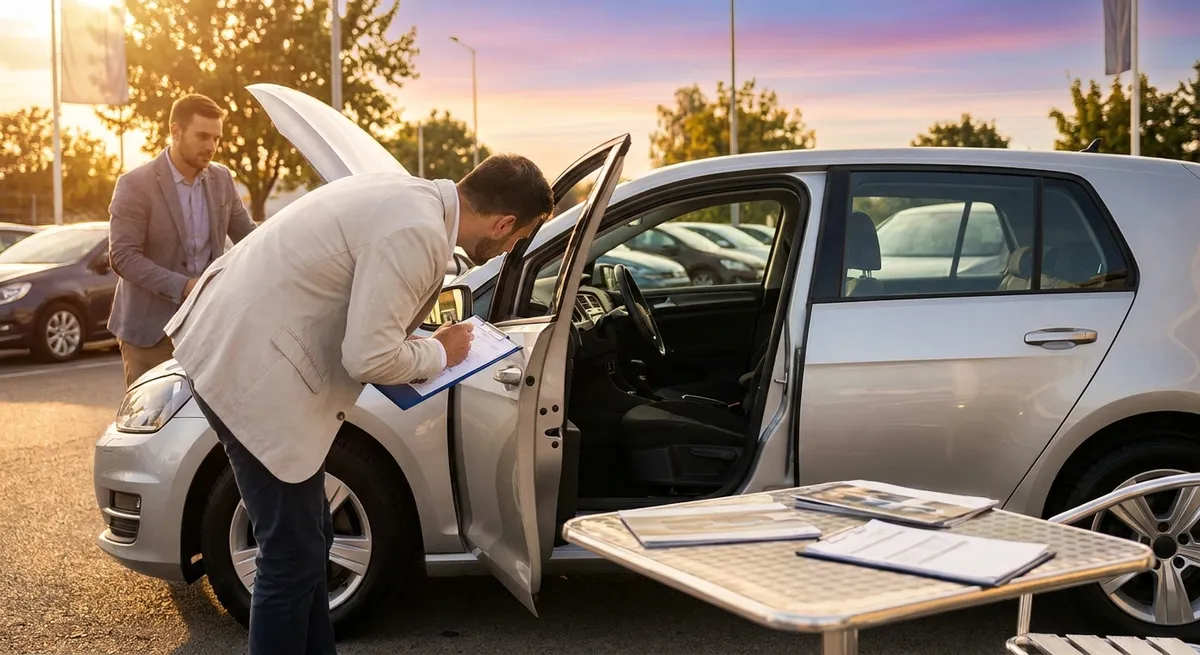
If the history looks clean, schedule an independent PPI with a trusted shop—not the seller’s mechanic. Ask them to:
- Scan for stored and pending diagnostic trouble codes
- Check for leaks, worn bushings, and uneven tire wear
- Inspect brakes, cooling system, and suspension components
- Look for signs of repainting, overspray, or misaligned panels
If the seller resists a PPI or insists on choosing the shop themselves, that’s a red flag worth walking away over. The cost of a thorough inspection is tiny compared to a transmission replacement or a hidden rust problem discovered after you’ve signed the paperwork.
Negotiate From Evidence and Timing, Not Aggression
Effective negotiation isn’t about being combative; it’s about being prepared and willing to walk. Two things matter most: the information you bring, and the timing of when you use it.
Before you talk numbers, line up:
- Recent comparable sales or listings for similar vehicles in your region
- Any imperfections on the specific car: tires close to replacement, upcoming maintenance, worn brakes, cosmetic issues
- Pre‑approval from your bank or credit union so you know your interest rate and terms
When you’re ready to negotiate, focus on the out‑the‑door price, not line‑by‑line minutiae. Present your evidence calmly: “Based on these comparable sales and the fact that it needs tires soon, I’m comfortable at $X out‑the‑door.” Then stop talking and let the salesperson respond.
Timing can also quietly work in your favor:
- End of the month, quarter, or model year can improve flexibility, especially on new cars
- For private sellers, late in the week or during bad weather can mean less buyer competition
If the numbers don’t work or add‑ons start piling up (unwanted warranties, paint protection, marked‑up accessories), be ready to stand up and leave. A polite walk‑away is often your strongest bargaining tool—and if it doesn’t move the needle, it confirms that deal simply wasn’t the right one.
Conclusion
A smart car purchase isn’t about finding the “perfect deal” or out‑talking a salesperson—it’s about having a repeatable process you can trust. When you anchor your decision on total ownership cost, let data build your shortlist, stress‑test cars in real‑world conditions, demand independent verification on used vehicles, and negotiate from evidence instead of emotion, you shift the odds heavily in your favor. The result isn’t just saving money at signing; it’s driving something that fits your life, your budget, and your expectations long after the new‑car smell disappears.
Sources
- Consumer Financial Protection Bureau – Auto Loans - Explains how auto financing works, common pitfalls, and how to compare loan offers
- Edmunds – How Much Car Can I Afford? - Breaks down budgeting strategies and total cost of ownership considerations
- Kelley Blue Book – 10 Steps to Buying a Used Car - Provides a structured overview of used‑car shopping, including inspections and history checks
- National Highway Traffic Safety Administration (NHTSA) – Vehicle Safety and Recalls - Official source to check for open recalls and safety information on specific vehicles
- Federal Trade Commission – Buying a Used Car - Covers your rights, warning signs, and best practices for negotiating and inspecting used vehicles