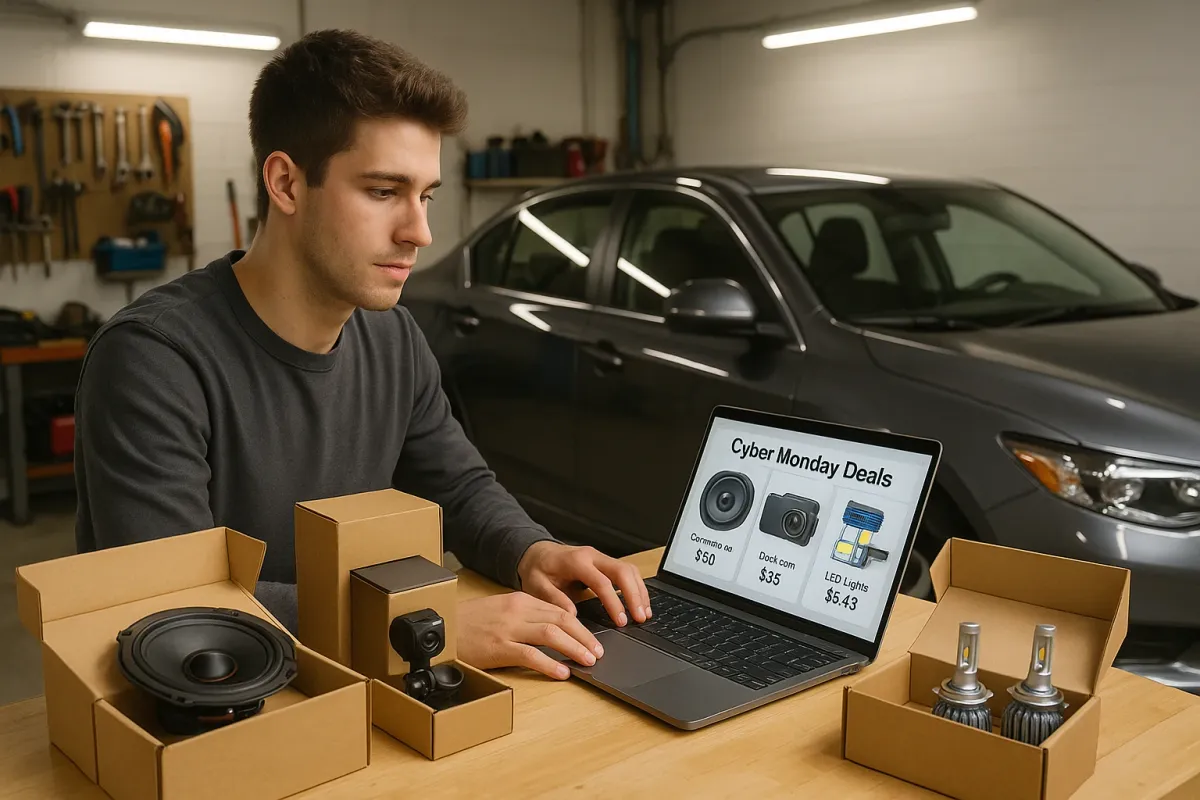
With so many “limited‑time” banners screaming at you, the real challenge is knowing what’s actually worth grabbing for your car right now, and what you should skip. Here’s how to treat this Cyber Monday cycle like a smart car buyer, not an impulsive clicker.
Prioritize Safety Upgrades Over “Nice-To-Haves”
The same way people are being told to skip random gadget splurges and focus on essentials during Cyber Monday Weekend, car owners should rank safety gear first. If your tires are more than six years old, close to the wear bars, or showing cracks, this sale period is a prime time to shop Tire Rack, Discount Tire, Walmart, Costco, and warehouse clubs that are all pushing “Cyber” promos on rubber, mounting, and road‑hazard coverage. A set of all‑seasons or winter tires bought now can easily cost less than a fender‑bender on worn rubber.
Look at other safety categories, too: quality wiper blades, upgraded bulbs (sticking with DOT‑approved replacements, not blinding eBay specials), a jump starter pack, or a solid portable air compressor. Many of these items are being bundled in “auto essentials” Cyber Monday deals by retailers that normally focus on electronics. If your budget is limited, rank your cart by “what would actually keep me out of trouble on the road?” A wireless charger is convenient; tires, brakes, and visibility gear actually matter when conditions get ugly.
Use Real-World Pricing Tools, Not Just “Cyber” Tags
A big talking point in this year’s Cyber Monday coverage is how “deals” can be exaggerated—prices quietly rise in October, then drop back to normal with a flashy sale tag. Cars and parts are no different. Before you hit Buy, run a quick real‑world price check on key items. Use tools like CamelCamelCamel or Keepa for Amazon histories, and cross‑shop the same part numbers on RockAuto, Walmart, AutoZone, and O’Reilly. If the “Cyber price” is just average, keep looking.
For bigger items—tires, roof racks, OEM accessories—check dealer parts sites and online forums dedicated to your make. Owners often share when a manufacturer is running its own accessory rebate or free‑shipping promo that beats generic retail sales. Also pay attention to bundle offers: some chains are offering install discounts or free alignment checks with a tire purchase this weekend. A slightly higher tire price with free mounting and balancing can beat a bare‑bones online “deal” once you add shop fees.
Target High-Value Upgrades You’ll Use All Year
Cyber Monday Weekend pieces highlighting “deals that make you forget Black Friday” have a point: the best buys are things you’ll actually use constantly, not one‑hit novelties. Apply that to your car by picking upgrades that change your day‑to‑day experience, not just look good in a photo.
Think about a quality dash cam from brands like Viofo, Garmin, or Nextbase—many are running real discounts right now and can pay for themselves in one insurance claim. A reputable OBD2 scanner (BlueDriver, OBDLink, or a solid mid‑range scanner from Autel or Innova) gives you long‑term diagnostic power far beyond one sale weekend. If you log lots of miles, look for proper seat cushions or lumbar supports—not $20 gimmicks, but medically reviewed or motorsport‑inspired products that reduce fatigue. And if your factory head unit is dated, Cyber Monday is often when name‑brand Apple CarPlay/Android Auto head units from Pioneer, Kenwood, and Sony drop into a more affordable range, especially last‑year’s models.
Watch Bundles, Warranties, And Compatibility Details
One trend this year across Cyber Monday tech coverage is big “bundle” pushes: you’ll see the same thing in auto. Detailing kits, tool sets, roof‑rack packages, and smart‑charger bundles are everywhere—some are real value, some are just padded. Before you buy, break down what’s actually in the box. Will you truly use all those microfiber towels and obscure detailing chemicals, or would two high‑quality products be better than a 20‑piece kit?
Pay close attention to compatibility with your specific vehicle. Many roof racks, floor mats, and phone mounts are listed in huge “fits most cars” Cyber lists—but your model year might be the exception. Check the fitment charts on the manufacturer’s site, not just the marketplace listing. Also inspect warranties: for battery chargers, jump starters, and electronics, look for at least a one‑year (ideally two‑plus) warranty from a recognizable brand. Deep discount, no‑name electronics with vague warranty language are more likely to fail right after the return window closes—exactly when you need them most.
Set A Total Budget Before You Click Anything
One of the sharper points in current Cyber Monday Weekend reporting is how these extended sales can quietly drain your account because they “don’t feel like” a one‑day blowout. The same risk applies when you dive into car gear: a tire deal here, a tool there, a “why not” dash cam—and suddenly you’ve spent the equivalent of a monthly payment on stuff you didn’t plan for.
Invert that process: set a car‑only budget number before you open any tabs. Split it into two buckets—“musts” (safety and maintenance) and “nice‑to‑haves” (comfort, tech, cosmetic). As you shop, every item has to earn its spot in one of those buckets. If you hit the ceiling, something comes out of the cart. That simple rule keeps you from turning a smart, timely purchase—like discounted winter tires or a real diagnostic tool—into a random pile of gadgets that don’t move the needle on your driving life.
Conclusion
Cyber Monday Weekend is quickly becoming the new normal for big online shopping pushes, and auto gear is very much part of that wave. Instead of treating it like a frenzy of random discounts, treat it like a strategic window: a few days when you can upgrade safety, comfort, and capability on your car at a real discount—if you choose wisely. Focus on essentials first, verify pricing with real tools, target upgrades you’ll use every week, and keep a firm budget line. Do that, and this year’s “better than Black Friday” hype can actually translate into a safer, more enjoyable drive for the next 12 months.