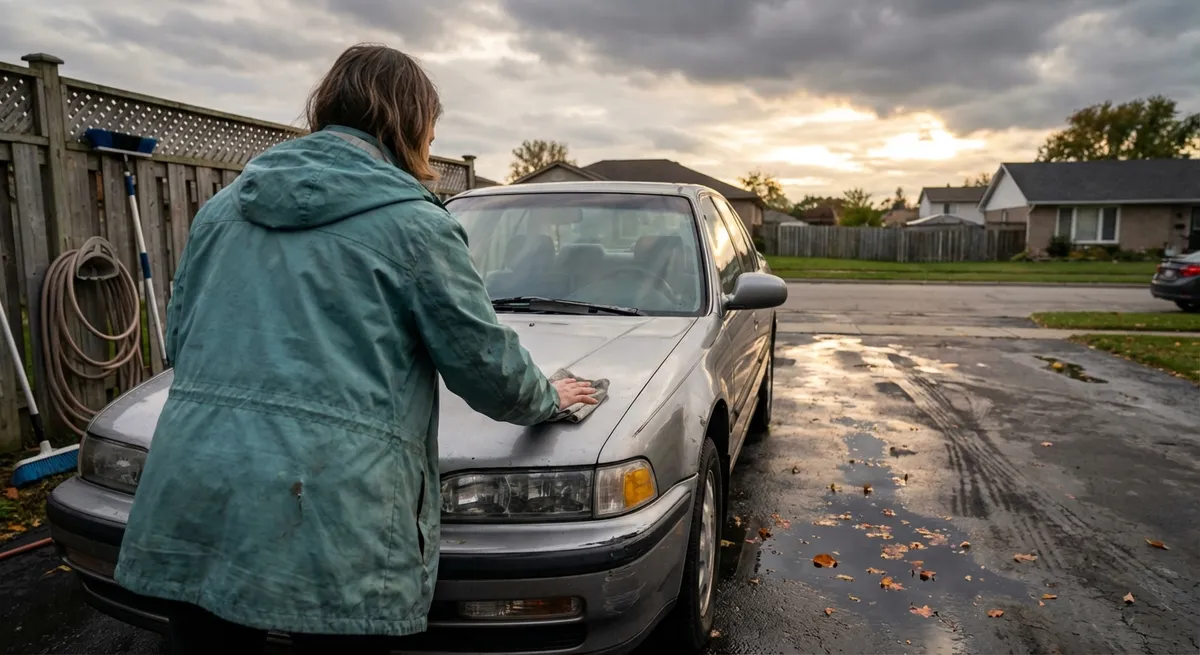
This guide focuses on practical, climate-aware maintenance moves that enthusiasts and everyday drivers can use to keep their cars feeling solid, safe, and satisfying to drive.
Think Beyond Oil: Fluids That Hate Heat and Cold
Oil changes get all the attention, but other fluids have just as much impact on how long your car’s systems last—especially if you live where summers bake pavement or winters dip below freezing.
Modern coolants and transmission fluids are designed to handle wide temperature swings, but they don’t last forever. Heat breaks down additives, and cold exposes weak spots in hoses, seals, and radiators. If you tow, drive in stop‑and‑go traffic, or sit idling in extreme temperatures, your fluids are working harder than the average owner’s.
Actionable point 1: Put every major fluid on a real-world schedule, not “lifetime.”
Here’s a practical approach:
- Engine coolant: If your manual says 10 years/100,000 miles, start testing around year 5–6 or 60,000 miles—especially in very hot or very cold regions. Replace sooner if a shop test shows low protection or contamination.
- Automatic transmission fluid (ATF): For heavy city traffic, towing, or mountain driving, treat 30,000–60,000 miles as a realistic refresh window, even if the manufacturer claims “filled for life.”
- Brake fluid: Moisture absorbs over time, which can boil under heavy braking and corrode internal parts. In humid or coastal climates, flushing every 2–3 years is smart, even if you don’t track the car.
- Power steering (if not electric): Check color and smell annually; dark or burnt‑smelling fluid should be replaced.
- Differential and transfer case (AWD/4×4): If you see dirt, mud, slush, or deep water often, check and change more frequently than the manual’s basic interval.
Ask your shop to show you fluid condition—not just tell you. Clear and light isn’t a guarantee it’s perfect, but dark, burnt, or gritty fluid is always a warning sign.
Protect Undercar Components From Rust Before It Starts
Rust isn’t just a cosmetic problem; it’s a slow structural and safety issue, especially where winters involve salt or brine on the roads. Brake lines, subframes, fuel lines, and suspension hardware can all corrode long before your paint bubbles.
Even in relatively dry states, coastal air and occasional winter trips can quietly take a toll. Corrosion‑related repairs (fuel tanks, brake lines, seized bolts) are some of the most frustrating and expensive to deal with once they’ve progressed.
Actionable point 2: Add rust prevention and underbody care to your regular maintenance.
Practical steps for real-world use:
- Inspect the underbody yearly: Ask your shop to check brake and fuel lines, frame rails, and mounting points for rust scale, not just surface discoloration.
- Rinse the undercarriage after winter storms: Use a touchless wash with underbody spray or a hose with a sprinkler-style adapter to flush salt from wheel wells, seams, and suspension.
- Use cavity wax or rust inhibitors intelligently: Products like wax-based rust inhibitors can be applied inside doors, rocker panels, and frame rails. They’re especially helpful on trucks, SUVs, and older vehicles.
- Touch up chips quickly: Even small rock chips on the lower doors, fenders, and rocker panels can become rust spots in salted or coastal regions. A small touch‑up kit in the garage pays off.
- Check rubber drain plugs and grommets: Make sure they’re seated properly so water doesn’t sit inside rocker panels or trunk wells.
If you’re buying a used car from a snow-belt state, have a mechanic inspect for hidden corrosion. Stopping rust early is always cheaper than trying to “fix” deep structural damage later.
Make Your Tires Work With the Weather, Not Against It
Tires are the only connection between your car and the road, and climate dictates how well they do their job. Heat wears them faster, cold hardens the rubber, and moisture exposes tread pattern weaknesses. The right choice can make your car feel safer and sharper without changing anything mechanical.
Many drivers run “all‑season” tires year‑round and assume they’re covered. But in real terms, that can mean mediocre performance in every season, especially in areas with true winters or very heavy summer rain.
Actionable point 3: Match your tire and pressure strategy to your climate and driving.
Smart, practical steps:
- In hot climates:
- Check pressures at least monthly; heat raises pressure and speeds rubber aging.
- Consider performance‑oriented all‑season or summer tires if you never see snow; they can reduce stopping distance and improve steering feel.
- In cold or snowy climates:
- Dedicated winter tires dramatically improve traction below about 45°F (7°C), even on dry roads.
- Swap to winter tires before the first major freeze rather than waiting for the first heavy snow.
- Rainy or coastal regions:
- Prioritize wet-braking and hydroplaning resistance ratings when you shop.
- Replace tires before they hit the legal minimum tread; 4 mm (about 5/32") is a smart cutoff if you regularly drive in heavy rain.
- Pressure management:
- Use the door-jamb sticker, not the sidewall, as your baseline.
- Expect 1–2 PSI loss for every 10°F drop in temperature; adjust seasonally.
Tires are also a safety multiplier for good maintenance elsewhere: fresh suspension components and good brakes are wasted if grip is poor.
Use Seasonal Checkpoints to Catch Small Problems Early
Instead of thinking about maintenance as a long list to remember, it’s simpler to tie specific checks to seasonal shifts. Seasonal changes stress different systems: A/C and cooling in summer, batteries and starting systems in winter, and seals and rubber parts all year as temperatures swing.
Even if you’re not mechanically inclined, building a simple seasonal checklist will expose issues early—before they become breakdowns or expensive repairs.
Actionable point 4: Create a basic “season change” inspection routine.
At each major seasonal change (for many drivers, spring and fall), focus on:
- Cooling and A/C (spring):
- Verify coolant level and condition.
- Check for any crusty residue around hose clamps or the radiator (signs of small leaks).
- Confirm the A/C cools quickly and doesn’t smell musty—this can signal cabin filter or evaporator issues.
- Battery and starting (fall):
- Have the battery load tested after 3 years of age, especially in cold regions.
- Clean corrosion from terminals and ensure the battery is secured properly.
- Listen for slow cranking or dim lights during start—both early warning signs.
- Wipers, lights, and visibility (spring and fall):
- Replace streaking wiper blades before they become useless in a storm.
- Check all exterior lights, including brake and reverse lights; fix burned bulbs promptly.
- Belts and hoses:
- Look for cracks, fraying, swelling, or leaks around clamps.
- Pay attention to new squeals on start-up or steering—these often point to belt wear or pulley issues.
This seasonal mindset breaks maintenance into manageable chunks and makes it far more likely you’ll catch something early, instead of discovering it on the side of the road.
Store and Park Your Car Like It’s Part of the Mechanical System
Where and how your car sits when it’s not in motion is more important than most owners think. UV exposure, moisture, and temperature swings can quietly age paint, plastics, tires, rubber seals, and even interior electronics.
Enthusiasts often obsess over engine specs and mods but ignore storage. Yet, protecting the vehicle while it’s parked can preserve paint, prevent interior cracking, and even reduce electrical gremlins.
Actionable point 5: Treat parking and storage as part of your maintenance plan.
You don’t need a climate‑controlled garage to make a difference:
- Shade or cover when possible:
- Use a quality car cover if you park outside long‑term—especially in intense sun or near trees.
- UV exposure fades paint and plastics and dries out rubber seals; shade genuinely adds years.
- Avoid sitting on flat spots:
- For cars that sit weeks at a time, move the car slightly at least once every couple of weeks to prevent tire flat-spotting.
- Protect interior surfaces:
- A windshield sunshade and periodic application of UV‑protectant interior products will slow cracking and fading.
- Moisture management:
- In damp garages or coastal areas, use desiccant packs or an interior dehumidifier to reduce mold, corrosion on connectors, and musty smells.
- Fuel and battery for infrequently driven vehicles:
- Use a battery maintainer instead of frequently jump-starting.
- Add fuel stabilizer if the car will sit for months to help prevent fuel system varnish and hard starts.
Thinking of storage as a system upgrade, not just an afterthought, preserves both appearance and reliability—key factors when you eventually sell or trade in.
Conclusion
The cars that age gracefully aren’t just the ones with regular oil changes; they’re the ones whose owners quietly adapt their maintenance to climate, driving style, and storage. By paying attention to the fluids that suffer in extreme temperatures, defending the underbody from corrosion, choosing tires that match your weather, using seasonal checkpoints, and treating parking as part of the maintenance plan, you turn everyday habits into long-term reliability.
These aren’t flashy upgrades, but they’re exactly the kind of choices that keep a car feeling tight, safe, and enjoyable well past the point where most vehicles start to feel worn out. For enthusiasts and practical drivers alike, climate‑aware maintenance is one of the smartest ways to protect both driving enjoyment and resale value.
Sources
- [National Highway Traffic Safety Administration (NHTSA) – Tire Safety](https://www.nhtsa.gov/equipment/tires) - Covers tire pressure, tread depth, and seasonal considerations for tire safety and performance
- [U.S. Department of Energy – Maintaining Your Vehicle](https://www.energy.gov/energysaver/maintaining-your-vehicle) - Explains how proper maintenance of fluids, tires, and components improves efficiency and longevity
- [Car Care Council – Car Care Resources](https://www.carcare.org/car-care-resources/) - Industry-backed guidelines on seasonal maintenance, fluid checks, and inspection routines
- [AAA – Protecting Your Car from Rust](https://exchange.aaa.com/automotive/maintenance-repair/protecting-your-car-from-rust/) - Discusses corrosion risks from road salt and moisture and how to prevent rust damage
- [Consumer Reports – How Long Do Car Batteries Last?](https://www.consumerreports.org/cars/car-batteries/how-long-do-car-batteries-last-a6761560705/) - Provides data and guidance on battery life, climate effects, and testing intervals