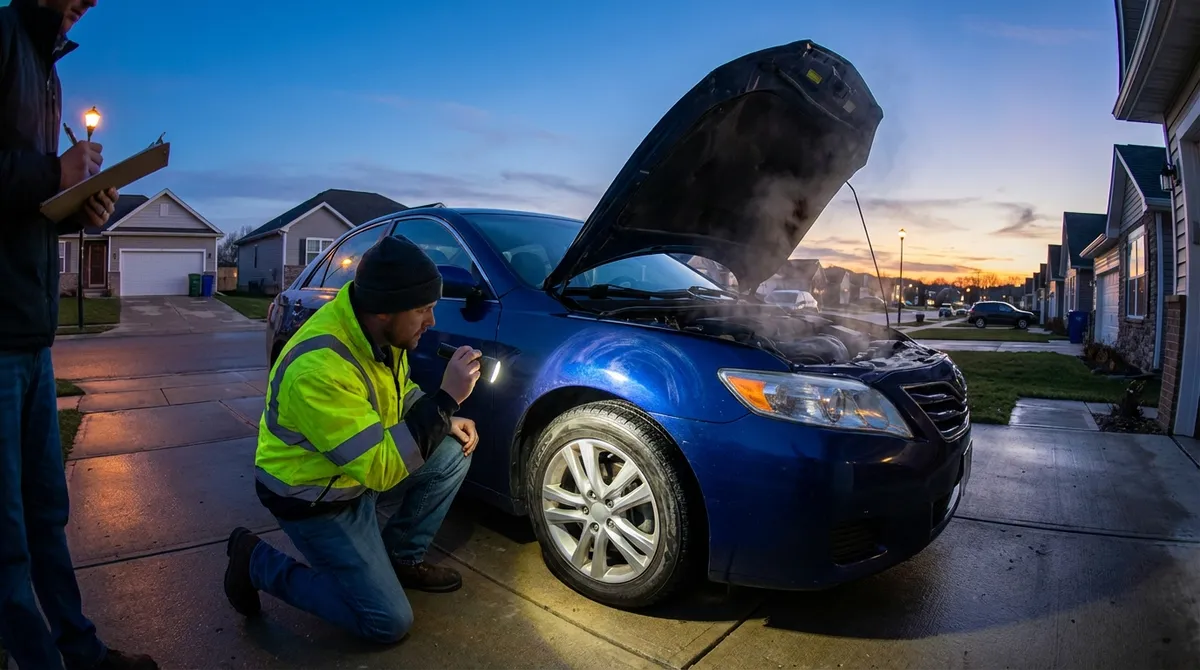
This guide focuses on five practical, real‑world moves that put you back in control. No buzzwords, no “magic scripts”—just tactics that actually work when you’re sitting across from a salesperson or negotiating a private-party deal.
Separate the Car From the Money
One of the biggest advantages a seller has is bundling everything—price, trade‑in, monthly payment, and add‑ons—into one messy conversation. Your job is to break that apart.
Start by negotiating the out‑the‑door price (OTD)—the total cost including taxes, fees, and dealer charges—before you ever discuss financing, trade‑ins, or extras. When the salesperson asks for your target monthly payment, redirect the conversation to OTD price instead. Monthly payment can always be manipulated with longer loan terms, masking a higher total cost.
Get OTD quotes from multiple dealers in writing (email or text works) for the same year, trim, and options. Use those quotes to push competing dealers lower. When you keep the focus on the final number, you can compare offers accurately, spot junk fees, and avoid the classic “we hit your payment target, but you paid way too much overall” trap.
Use Preapproved Financing as Leverage, Not Just a Safety Net
Walking into a dealership without financing lined up is like negotiating with one hand tied behind your back. Even if you plan to use dealer financing, showing up preapproved changes the entire dynamic.
Before you shop seriously, apply with your bank or credit union for a preapproval. You’ll get a specific rate, term, and maximum amount. This does three things for you:
- Sets a realistic budget based on total cost, not just monthly payment.
- Protects you from getting pushed into a higher rate than you qualify for.
- Turns dealer financing into something they have to beat, not define for you.
When you’re at the dealership, let them know you already have financing and are willing to use it. Then tell them you’ll consider their offer if they can improve your bottom line—rate, term, or both. Sometimes dealers can access manufacturer‑subsidized APRs that beat banks; sometimes your preapproval wins. Either way, you’re choosing from a position of strength instead of guessing in the finance office.
Evaluate Used Cars Like a Detective, Not a Tourist
Photos and polished online descriptions hide a lot. If you’re buying used, your mindset should be closer to an inspector than an excited shopper.
Start by checking the VIN through services like Carfax or AutoCheck to see ownership history, accident reports, mileage consistency, and maintenance events. A clean history doesn’t guarantee a perfect car, but red flags—title issues, frequent owners, repeated repairs—should slow you down.
When you see the car in person:
- Inspect paint under natural light for mismatched panels, overspray, or waviness that can indicate bodywork.
- Check gaps between doors, fenders, and trunk—uneven gaps can suggest collision damage.
- Look at tire wear: uneven wear can signal alignment or suspension issues.
- Start the engine cold if possible—rough cold starts can reveal problems masked by a warm engine.
- Road test on varied roads: low‑speed turns, highway speeds, and braking from higher speeds. Listen for clunks, vibration, and brake noises.
Finally, the pre‑purchase inspection (PPI) by an independent mechanic is non‑negotiable on any serious used purchase. If a seller refuses a reasonable inspection at your expense, treat that as an answer and walk away.
Time Your Move Around Supply, Not Just “End of Month” Myths
You’ll often hear that the end of the month or quarter is the best time to buy. There’s some truth—dealers chasing quota might be more flexible—but in today’s market, supply and incentives matter more than the calendar date.
If you’re shopping new:
- Watch model‑year transitions. Outgoing model years often get stronger discounts and incentives as new models arrive.
- Track inventory levels for the specific model and trim you want. High inventory means more leverage; low inventory means less room to negotiate.
- Check manufacturer websites for national incentives (cash rebates, low APR offers, lease deals) and confirm with local dealers which are stackable with dealer discounts.
If you’re looking used:
- Pay attention to the release of new generations or mid‑cycle refreshes. When a new version launches, more owners trade in the older generation, increasing supply and sometimes softening prices.
- Be flexible on color and minor options. If you can live without a sunroof or certain color, you can target the best‑priced units instead of only the most in‑demand configurations.
Strategic timing won’t turn a bad market into a cheap one, but it can be the difference between paying market average and paying top dollar.
Protect Yourself From Add‑Ons That Quietly Inflate the Deal
Many deals that start reasonable become expensive in the finance office. This is where you’ll see extended warranties, gap coverage, paint protection, interior treatments, and anti‑theft systems—often bundled into the payment instead of clearly separated.
Treat each product as a separate purchase decision, not a footnote to the car itself:
- Ask for the itemized price of each add‑on and its coverage terms in writing.
- Compare extended warranty pricing to third‑party options and the manufacturer’s own plans; be wary of dealer‑specific contracts with weak coverage.
- Check whether your auto insurance already includes or can cheaply add gap coverage, instead of buying a more expensive dealer version.
- For coatings, protection packages, and VIN etching, ask yourself if you’d ever buy that service on its own at that price. If not, decline it.
The most important move: be comfortable saying no, even if the finance manager implies the deal is “structured around” those products. If they threaten to change the price of the car because you decline add‑ons, that’s a red flag—and a signal to be ready to walk.
Conclusion
Buying a car doesn’t have to feel like a gamble if you approach it with a clear structure: control the total price, arrange your own financing, inspect used cars ruthlessly, time your purchase with an eye on supply, and treat add‑ons as optional—not automatic. These five tactics won’t just save money; they make sure you end up in a car that fits your life without surprise costs later.
When you treat the purchase like a long‑term ownership decision instead of a one‑day event, you’ll buy with far more confidence—and fewer regrets.
Sources
- Consumer Reports – Car Buying & Pricing - Practical guidance on negotiating, pricing, and avoiding common dealer pitfalls
- Federal Trade Commission – Buying a Used Car - Official U.S. government advice on inspecting used cars, getting a vehicle history report, and understanding your rights
- U.S. News & World Report – How to Get Preapproved for a Car Loan - Explains the benefits of preapproval and how it affects negotiations
- Edmunds – Out-the-Door Price Explained - Breaks down why the out‑the‑door price matters and how to compare offers
- Carfax – Vehicle History Reports - Overview of what a vehicle history report can reveal and how it supports smarter used‑car buying