Looking Past Horsepower: Matching a Car to Your Real Use
Most car reviews lead with performance numbers, but what matters more is how that performance behaves in your everyday driving.
Start by mapping your actual use: daily commute distance, typical speeds, traffic patterns, climate, passengers, and cargo. Then compare this to what reviewers say about low-speed smoothness, passing power, and overall refinement rather than peak horsepower.
If reviewers mention “peaky power delivery,” “turbo lag,” or needing to “rev it out,” expect that you’ll have to work the engine harder around town. Descriptions like “torquey,” “effortless,” or “strong mid-range” usually mean relaxing real-world response.
Pay close attention to transmission comments. An automatic described as “hunting for gears” or a CVT that “drone[s] under acceleration” can be fatiguing on long drives. For hybrids and EVs, note what reviewers say about responsiveness in stop-and-go traffic and how predictable the regenerative braking feels.
Actionable point #1: Before you fall for big power numbers, write down your top three daily driving situations (e.g., uphill freeway on‑ramp, dense stop‑and‑go, long rural commute). When reading or watching reviews, skip straight to the sections where the reviewer describes how the car behaves in those exact scenarios.
Dissecting Comfort and Noise: What Reviewers Really Mean
Ride comfort and cabin quiet are often described with vague language, but these details hugely affect how pleasant a car feels after the novelty wears off.
Terms like “firm but controlled” typically mean the suspension is on the sportier side, but doesn’t crash over bumps. Words like “floaty,” “wallowy,” or “boat-like” suggest lots of body movement, which some drivers find comfortable at first but tiring on winding roads. On the other hand, “harsh,” “crashy,” or “unsettled over sharp impacts” are red flags if your area has poor road surfaces.
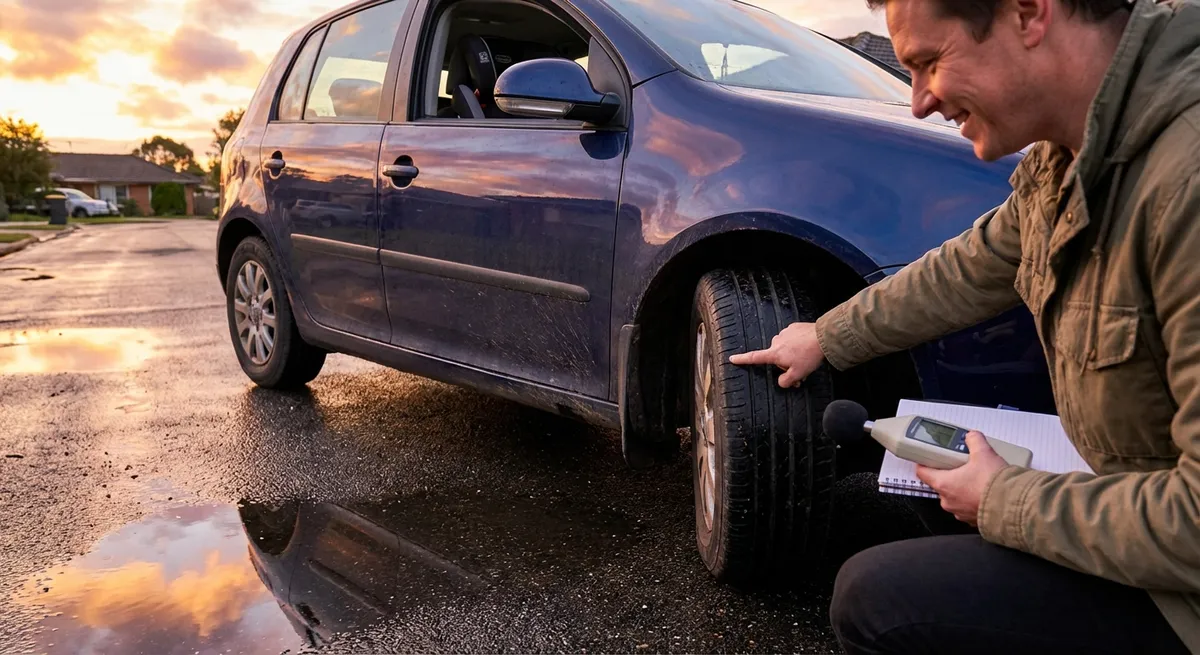
For cabin noise, look for comments about wind noise at highway speeds, tire roar on coarse pavement, and engine noise under heavy acceleration. A car can feel quiet in city traffic but loud at 70 mph, which matters if you do a lot of highway driving.
Also note seat comments: “good thigh support,” “wide range of adjustment,” and “supportive on long trips” are green lights if you deal with back or leg fatigue. Repeated mentions of “short seat cushions” or “lack of lumbar support” are reasons to be cautious, especially if you have back issues.
Actionable point #2: As you read multiple reviews, jot down every time ride and noise are mentioned, then categorize comments as “city,” “highway,” or “rough roads.” Compare this with where you drive most. A car praised for “excellent city compliance” but criticized for “busy highway ride” might be perfect for an urban commuter and terrible for a long‑distance road‑tripper.
Tech and Controls: Separating Gimmicks from Everyday Wins
Modern cars are packed with screens and driver aids, but not all tech is actually helpful. Reviewers often test features once; you’ll live with them for years.
First, focus on core interactions: steering wheel buttons, climate controls, and how many steps it takes to perform common tasks like changing fan speed or zooming the map. If reviewers complain about buried menus or lack of physical buttons for climate, expect a steeper learning curve and more distraction while driving.
Then evaluate driver‑assistance systems. Look for nuanced comments: “well‑tuned lane keeping,” “natural adaptive cruise,” and “smooth stop‑and‑go behavior” are signs a system will really ease fatigue. Warnings like “false alerts,” “ping‑ponging between lane markers,” or “jittery braking” suggest you’ll switch the system off out of annoyance.
Don’t ignore smartphone integration either. Reviews that mention stable wireless Apple CarPlay/Android Auto, quick Bluetooth pairing, and reliable voice recognition are practical wins. If multiple reviewers mention glitches, lag, or frequent disconnections, assume real‑world frustration.
Actionable point #3: Make a short “daily tech checklist” (navigation, podcasts/music, phone calls, climate, adaptive cruise, lane keep). When watching a video review or reading a written one, pause and ask: “Did the reviewer show or explain how each of these works?” If not, look for a secondary review that focuses more on user experience before deciding.
Space, Visibility, and Practicality: Living With the Car, Not Just Driving It
Car reviews often spend a lot of time on performance, but long‑term satisfaction usually comes down to how easy it is to see out of, load, and live with the vehicle.
Take interior space claims and compare them to how reviewers describe seating position and headroom, especially in the rear. If testers frequently mention “tight rear legroom” or “sloping roof cuts into headroom,” that can be a deal‑breaker for families or tall passengers. Favor reviews that show adults actually sitting in all rows rather than only quoting measurements.
Visibility is another big one. Look for comments on blind spots, the size and placement of pillars, usefulness of mirrors, and camera quality. Phrases like “excellent outward visibility” or “light, airy cabin” can translate to easier city driving and parking. “Thick rear pillars,” “small rear window,” or “reliance on cameras” mean you’ll need to rely more on technology to compensate.
Cargo usability matters as much as raw volume. Reviewers who detail “load floor height,” “seat folding mechanisms,” and “practical under‑floor storage” are giving you clues about how the car will handle grocery runs, strollers, camping gear, or tools.
Actionable point #4: List your three biggest “stuff + people” scenarios (e.g., stroller plus groceries, two mountain bikes, four adults and luggage). When consuming reviews, skip to interior and cargo sections and ask, “Did the reviewer actually test or show anything like my use case?” Prioritize reviews that physically demonstrate loading bulky items similar to yours.
Reliability, Ownership Costs, and Long‑Term Impressions
Many reviews are based on short test drives, but you’ll own the car for years. To bridge that gap, you need to combine initial impressions with long‑term data.
Start by pairing first‑drive or launch reviews with long‑term tests from reputable outlets. Long‑term updates often reveal issues with infotainment glitches, interior wear, real‑world fuel economy, and ergonomic annoyances that don’t show up in a weekend test.
Cross‑reference review impressions with independent reliability data and owner surveys. If an otherwise well‑reviewed car has a history of transmission or electronics issues in recent model years, factor that into your decision. Owner forums can highlight recurring small issues (like rattles or sensor failures), but confirm forum claims with data from large reliability studies where possible.
Also consider maintenance and running costs—oil change intervals, tire sizes (larger performance tires often cost more), recommended fuel type (regular vs premium), and brake wear if the car is heavy or performance‑oriented. Reviewers sometimes mention “costly replacement tires” or “premium‑fuel requirement,” which can shift total ownership cost significantly.
Actionable point #5: For any car you’re serious about, pair reviews with hard data: check at least one reliability ranking, one long‑term test, and one owner‑focused resource (like a forum or owner survey). If all three sources echo the same concern (e.g., infotainment bugs or high brake wear), treat it as a real long‑term factor, not just a one‑off complaint.
Conclusion
Car reviews can be incredibly useful, but only if you translate them from numbers and buzzwords into how a vehicle will actually work in your daily life. By focusing on real‑world performance, comfort and noise, everyday tech usability, practical space, and long‑term ownership data, you turn scattered impressions into a clear, personal verdict. The goal isn’t to find the “best” car on paper—it’s to find the one that quietly fits your routines, roads, and budget long after the test‑drive excitement fades.
Sources
- Consumer Reports – How to Shop for a New Car - Overview of evaluating vehicles, reliability, and road-test results
- Edmunds – How to Test-Drive a Car - Practical guidance on what to look for when assessing a vehicle in person
- U.S. Department of Energy – Fuel Economy Guide - Official fuel economy data and cost estimates for comparing vehicles
- J.D. Power – Vehicle Dependability Study - Annual reliability rankings based on large-scale owner surveys
- IIHS – Vehicle Ratings - Crash test and safety technology evaluations to complement review impressions